“south africa” search results (2000)

One of the leading coffee producing countries in Africa, the Robbs special coffee producing area of Uganda
The output is among the highest in Africa, accounting for more than 70% of its total exports, while Uganda is also the hometown and main producing area of Robes specialty coffee. In the 1960s, Ugandan coffee production remained at 3.5 million bags a year. By the mid-1980s, coffee production had dropped to 2.5 million bags a year, mainly for political reasons. But now coffee production is on the rise again, which is now about 30% a year.
2016-06-18 Africa forefront coffee producing countries one Uganda Robes Booth Special production
Start with coffee beans (26)-Africa-Cameroon
Deep-roasted coffee beans suitable for espresso the cultivation of the Arabica coffee tree in Cameroon began in 1913 as the Blue Mountain coffee of Jamaica, but the country also produces large quantities of robusta coffee. The quality and characteristics of Cameroon coffee is similar to that of coffee from South America. The best coffee in the country comes from Bamileke and Bamoun in the northwest.
2014-06-12 Coffee beans Africa Malone.
Start with coffee beans (37)-Africa-Sudan
The civil war almost destroyed coffee production. Two decades of disastrous civil war in southern Sudan has claimed millions of lives and caused untold damage to rural areas, including the coffee industry. Robusta coffee is now grown in the south as in the past, while Arabica coffee, which used to be wild, is grown in the north and east of the country. In history
2014-06-13 Coffee beans Africa Sudan
Coffee beans Cameroon in Africa
Deep-roasted coffee beans suitable for espresso the cultivation of the Arabica coffee tree in Cameroon began in 1913 as the Blue Mountain coffee of Jamaica, but the country also produces large quantities of robusta coffee. The quality and characteristics of Cameroon coffee is similar to that of coffee from South America. The best coffee in the country comes from Bamileke and Bamoun in the northwest.
2014-09-22 Coffee beans Africa Cameroon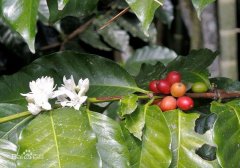
African Ivorian coffee beans what are the fine coffee beans in Africa?
Some people in C ô te d'Ivoire say it is the third largest coffee producer in the world after Brazil and Colombia, but others say it is Indonesia. But what is certain is that its original Robusta production is the first in the world. The main producing area is in the south, producing Robusta original medium-sized coffee beans.
2016-05-04 Africa Ivory Coast coffee beans boutique which people say it is only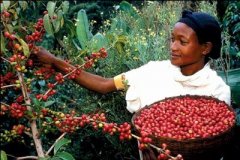
The boutique of Andanan Shike (Nyamasheke) in Africa and Rwanda
Luanda South Shik (Nyamasheke) production area of the boutique, this time carefully selected Mushonyi from the production area of Rutsiro, located in the north of Nyamasheke, also located on the banks of Lake Kiev. High altitude, fertile volcanic soil and excellent climate make high-quality coffee. We will continue to plough the gem producing area of Luanda, and this batch is purchased from the processing plant.
2016-05-14 Anda Nansi Nyamasheke producing area boutique Africa Rwanda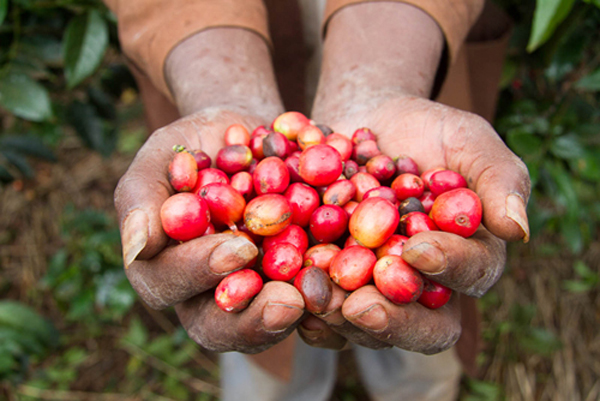
The most detailed introduction to coffee beans in the world. Coffee beginners must see the knowledge points
Coffee comes from coffee beans, which in turn are harvested and processed from the fruits of trees. Coffee trees grow at the equator as the center, between 25 degrees north and south latitude, known as the coffee belt tropical or subtropical countries home, coffee production countries currently have about more than 60 countries, coffee production in South America, Central America, West Indies, Asia, Africa, Arabia, South Pacific and
2015-12-02 world coffee beans most detailed detailed introduction beginner coffee must-see knowledge
The main producing areas and characteristics of Coffee in the World
Coffee production zones (commonly known as coffee belts) range from 25 degrees north latitude to 30 degrees south latitude, covering many countries in Central, West Africa, the Middle East and South Asia, the Pacific, Latin America and the Caribbean. The reason why coffee cultivation is concentrated in this area is mainly due to the limitation of temperature. Because coffee trees are vulnerable to frost, neither north nor south latitude is suitable, especially in the tropics.
2015-02-11 World coffee major producing areas characteristics common sense production zone called
Introduction to the grading characteristics of Kenyan coffee beans, price, taste and manor flavor
Altitude, latitude, geology: the equator runs through Kenya, and the border is just within ten degrees of north and south latitude. Belonging to tropical producing areas, there are two rainy seasons every year, with two harvests, with 60% concentrated from October to December and another 40% from June to August. Coffee is mainly grown in volcanic areas around 16002100 meters above sea level from the capital Narobi to the mountains of Kenya. This is highly suitable for coffee beans to develop flavor.
2016-10-21 Kenya coffee beans grading characteristics price taste manor flavor introduction sea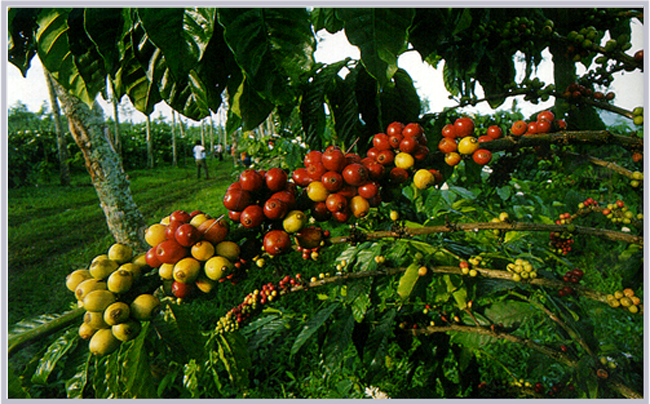
Coffee Estate Knowledge Points: Collection and classification of world boutique coffee estates in detail
Coffee comes from coffee beans, which are harvested and processed from the fruits of trees. Coffee trees grow at the equator as the center, between 25 degrees north and south latitude, known as the coffee belt in tropical or subtropical countries home, coffee beans are currently. Coffee comes from coffee beans, which in turn are harvested and processed from the fruits of trees. Coffee trees grow at the equator.
2015-12-25 coffee estate knowledge essentials world boutique collection classification detail introduction
Where is coffee distributed all over the world?
Coffee is a kind of drink, which gives the public the impression that it is black, bitter, sleepless and excited. The coffee beans we see in the coffee shop are tea-brown, which belongs to roasted coffee beans, while the color of the coffee liquid is amber.
2014-09-02 Coffee knowledge coffee bean distribution coffee growth characteristics
Main producing areas and characteristics of coffee
Coffee production zones (commonly known as coffee belts) range from 25 degrees north latitude to 30 degrees south latitude, covering many countries in Central, West Africa, the Middle East and South Asia, the Pacific, Latin America and the Caribbean. The reason why coffee cultivation is concentrated in this area is mainly due to the limitation of temperature. Because coffee trees are vulnerable to frost, neither north nor south latitude is suitable, especially in the tropics.
2014-08-05 Coffee knowledge coffee producing areas coffee encyclopedia
Uganda coffee producing countries with the highest production in Africa introduce Uganda's boutique coffee beans
Uganda's coffee production ranks first in Africa, accounting for more than 70% of its total exports. Uganda is also the hometown and main producing area of Robes specialty coffee. In the 1960s, Ugandan coffee production remained at 3.5 million bags a year. By the mid-1980s, coffee production had dropped to 2.5 million bags a year, mainly for political reasons. But now coffee production is on the rise again, which is large at present.
2016-07-12 Output Africa forefront Uganda coffee producing country introduction boutique coffee beans Ukraine
Balanced description of Tanzania Coffee Flavor, characteristics of Grinding degree, introduction to the producing areas of Taste varieties
Tanzania covers an area of 945087 square kilometers, of which Zanzibar is 2657 square kilometers. It consists of the mainland, Zanzibar and more than 20 small islands. Located in eastern Africa and south of the equator, the continent is bounded by the Indian Ocean to the east, Zambia, Malawi and Mozambique to the south, Rwanda, Burundi and the Democratic Republic of the Congo to the west, and Kenya and Uganda to the north. The coastline of the mainland is 840 kilometers long.
2016-10-14 Balanced Tanzania coffee flavor description grinding characteristics taste variety
Main producing areas and characteristics of Fine Coffee
Coffee production zones (commonly known as coffee belts) range from 25 degrees north latitude to 30 degrees south latitude, covering many countries in Central, West Africa, the Middle East and South Asia, the Pacific, Latin America and the Caribbean. The reason why coffee cultivation is concentrated in this area is mainly due to the limitation of temperature. Because coffee trees are vulnerable to frost, neither north nor south latitude is suitable, especially in the tropics.
2015-01-16 Boutique coffee common sense main producing area characteristic production zone called
Full-bodied Coffee Flavor description of Coffee Manor in Rwanda introduction to the characteristics of Grinding degree
Rwanda is located in the south of the equator in east-central Africa, a landlocked country. It is bordered by Tanzania to the east, Burundi to the south, Zaire to the west and northwest, and Uganda to the north, with a land area of 26338 square kilometers, ranking 149th among all countries in the world and close to Burundi, Macedonia, Haiti and Albania. Rwanda is located in east-central Africa, bordered by the Democratic Republic of the Congo to the west.
2016-09-30 Full-bodied taste Luwang Dutch Mayer Manor coffee flavor description grinding
Main producing areas and characteristics of Coffee in the World
Coffee production zones (commonly known as coffee belts) range from 25 degrees north latitude to 30 degrees south latitude, covering many countries in Central, West Africa, the Middle East and South Asia, the Pacific, Latin America and the Caribbean. The reason why coffee cultivation is concentrated in this area is mainly due to the limitation of temperature. Because coffee trees are vulnerable to frost, neither north nor south latitude is suitable, especially in the tropics.
2015-04-24 The world coffee major producing areas characteristics production zone known as in
The main producing areas and characteristics of Coffee in the World
Coffee production zones (commonly known as coffee belts) range from 25 degrees north latitude to 30 degrees south latitude, covering many countries in Central, West Africa, the Middle East and South Asia, the Pacific, Latin America and the Caribbean. The reason why coffee cultivation is concentrated in this area is mainly due to the limitation of temperature. Because coffee trees are vulnerable to frost, neither north nor south latitude is suitable, especially in the tropics.
2014-11-26 Coffee knowledge coffee common sense coffee producing areas coffee characteristics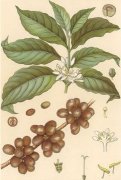
Coffee knowledge Coffee tree coffee beans growth habits
Coffee is a drink that gives the public the impression of being black, bitter, sleepless, and excited. The coffee beans we see in coffee shops are dark brown and belong to roasted coffee beans, while the color of coffee liquid is amber. Coffee comes from coffee beans, which in turn are harvested and processed from the fruits of trees. Distribution of coffee: coffee trees
2015-02-16 coffee knowledge coffee bean growth habits one kind drink popular elephant
Basic knowledge of coffee in main producing areas and characteristics of coffee
Coffee production zones (commonly known as coffee belts) range from 25 degrees north latitude to 30 degrees south latitude, covering many countries in Central, West Africa, the Middle East and South Asia, the Pacific, Latin America and the Caribbean. The reason why coffee cultivation is concentrated in this area is mainly due to the limitation of temperature. Because coffee trees are vulnerable to frost, neither north nor south latitude is suitable, especially in the tropics.
2015-07-28 Coffee major producing areas characteristics basics common sense coffee production zone called