“production conditions” search results (7000)

Coffee brewing method: Italian espresso Espresso coffee production standard
First of all: what is the golden rule for making espresso? What is the gold content of the gold rule? The golden rule: the time it takes to make a standard cup of Italian coffee (25-30ml), that is, from the first drop of coffee to turning off the switch, should be 25-30 seconds. Since it is called the golden rule, no matter its importance, its function and correctness, it should be like gold.
2015-12-05 Coffee brewing way Italian concentrated Espresso production standard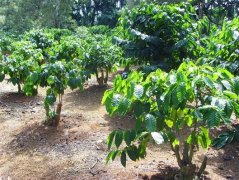
Understanding Coffee trees and their planting conditions
1. What is the origin of coffee trees in Ethiopia in Africa. Coffee tree is a perennial evergreen shrub or small tree of Rubiaceae. It is a horticultural perennial cash crop with the characteristics of fast growth, high yield, high value and wide market. Wild coffee trees can grow up to 5 to 10 meters high, but the coffee trees planted on the manor are more in order to increase the amount of fruit and facilitate harvesting.
2015-11-05 Understand coffee and its planting conditions
Coffee tree cultivation conditions
The coffee tree is native to Ethiopia in Africa. Coffee tree in botany, belongs to the Rubiaceae coffee subgenus evergreen tree, and generally known as coffee beans, survey is the coffee tree fruit seeds, only because the shape like beans, so called coffee beans. Climate is the decisive factor for coffee cultivation. Coffee trees are only suitable for growing in the tropics or subtropics, so latitude 25 from north to south
2016-06-01 coffee cultivation condition origin Africa Ethiopia botany genus
Growth conditions and excellent quality of Baoshan small Coffee the unique flavor of Baoshan small grain coffee
Small grains of coffee in Lujiang, Baoshan, Yunnan. National Geographic indication product is one of the better quality coffee in the country and the world, and its taste can be comparable to the world-famous Blue Mountain Coffee. Baoshan small-grain coffee is famous all over the world for its unique excellent quality: it was rated as first-class in the London market in the late 1950s and won the reputation of Lujiang No.1, at the National Coffee Conference in 1980.
2016-03-22 Baoshan small grains coffee growth conditions and its excellent quality unique flavor
Introduction to the producing area of Papua New Guinea Coffee grown under Natural conditions
The frost in 1975 destroyed most coffee crops in Brazil, but it affected the development of the coffee industry in Papua New Guinea. * * A scheme has been implemented to subsidize rural or collective landowners to create about 20 hectares of coffee plantations. This measure has indeed increased the penetration of coffee in the local economy, and by 1990, the annual output had reached 1 million bags. However, hardly ever.
2016-06-22 Natural conditions long Papua New Guinea Coffee Origin introduction
What are the conditions for producing high-quality coffee? the coffee producing areas in that country are the best.
Coffee production in Guatemala has declined relatively, at 700kg per hectare, while that in El Salvador is 900kg per hectare and that in Costa Rica is even more astonishing, at 1700 kg per hectare. The export of dangerous Dimara coffee is controlled by private companies, but the National Coffee Council (Asociacion Nacional de Cafe) controls the coffee industry.
2016-05-24 Rich high quality coffee need what condition that country producing area best
The origin and planting conditions of coffee trees basic knowledge of coffee
The origin of the coffee tree is Ethiopia in Africa. In botany, coffee trees belong to the evergreen trees of the subgenus Rubiaceae, and coffee beans, commonly known as coffee beans, are the seeds of the fruit of coffee trees, just because they are shaped like beans, so they are called coffee beans. Climate is the decisive factor for coffee cultivation. Coffee trees are only suitable for growing in the tropics or subtropics, so latitude 25 is south and north.
2015-08-14 Coffee country of origin planting conditions basics common sense coffee origin Africa Egypt
El Salvador Coffee Variety types El Salvador Coffee production conditions
Coffee (Xoffea arabica Linn) Coffee is a perennial evergreen shrub or small tree of Rubiaceae. It is a horticultural perennial cash crop with the characteristics of fast growth, high yield, high value and wide market. Wild coffee trees can grow to a height of 5 to 10 meters, but coffee trees planted on the manor are often cut to a height of less than 2 meters in order to increase the amount of fruit and facilitate harvesting.
2016-05-29 El Salvador coffee variety type production conditions
Introduction of Panamanian coffee producing areas with rich coffee growing conditions
The microclimate of the Panamanian highlands is the most important resource that makes Panamanian coffee unique. The most important resource that makes Panamanian coffee unique is its microclimate. The east-west environment of the Republic of Panama allows cold air to flow through the Central Mountains and converge above 6500 feet, creating a variety of microclimates in the Boquete and Volcn Candela regions.
2016-06-23 Have rich coffee planting conditions Panama producing areas introduction high
What kind of environment is most suitable for planting coffee trees?
The planting conditions of coffee trees, however, not all the land located in this area can produce good coffee trees. The ideal planting conditions of coffee trees are as follows: the temperature is between 15 ℃ and 25 ℃, and the annual rainfall must reach 1500 mm to 2000 mm. At the same time, the rainfall time should be in line with the flowering cycle of coffee trees. Of course, except for the matching of seasons and rainfall
2016-06-08 What kind of environment planting coffee trees are most suitable for coffee conditions but
Coffee common sense Italian espresso Espresso coffee production standard
First of all: what is the golden rule for making espresso? What is the gold content of the gold rule? The golden rule: the time it takes to make a standard cup of Italian coffee (25-30ml), that is, from the first drop of coffee to turning off the switch, should be 25-30 seconds. Since it is called the golden rule, no matter its importance, its function and correctness, it should be like gold.
2015-01-09 Coffee common sense Italian concentrated Espresso production standard first of all
Temperature between 15 and 25 ℃. Climate. Recent coffee planting temperature.
The optimal planting conditions of conditional coffee trees are as follows: the temperature is between 15 and 25 ℃, and the annual rainfall of coffee trees must reach 1500 to 2000 mm, and the rainfall time should be in line with the flowering cycle of coffee trees. Of course, in addition to the seasonal rainfall, there should also be fertile soil and good drainage. Fertile soil containing volcanic ash
2016-06-18 Temperature between occasional climate recent coffee planting conditions ideal
Peruvian coffee beans from the world's fine coffee production area
Coffee is high-quality and balanced and can be used for mixed drinks. Peru (Peru) is also a big coffee producer. Up to 98% of Peruvian coffee is grown in forest areas, and most producers are small farmers. Peru has good economic conditions and a stable political situation, thus ensuring the good quality of coffee. However, there are many local problems, in addition to guerrilla warfare and drug trafficking, in the 20th century
2014-09-17 Coffee knowledge world boutique coffee producing area Peruvian coffee beans
Planting conditions of Coffee trees
The origin of the coffee tree is Ethiopia in Africa. In botany, coffee trees belong to the evergreen trees of the subgenus Rubiaceae, and coffee beans, commonly known as coffee beans, are actually the seeds of the fruit of coffee trees. They are called coffee beans only because they are shaped like beans. Climate is the decisive factor for coffee cultivation. Coffee trees are only suitable for growing in the tropics or subtropics, so latitude 25 degrees south and north.
2014-07-09 Coffee tree planting coffee tree planting conditions coffee beans
Natural Environmental conditions for growing Coffee: an introduction
The ideal environmental conditions for planting Arabica coffee trees are as follows:
2014-07-04 Coffee knowledge coffee planting coffee tree growth conditions
Nicaraguan Coffee Manor Tianji Manor introduces the flavor and taste characteristics of Nicaraguan coffee
Ex: the quality of coffee produced in Guatemala, Costa Rica and Nicaragua is similar, mainly due to weather conditions, soil fertility, planting height and other conditions. Nepalese coffee cultivation and production has a unique environment, the spread of fertile volcanic ash soil, coupled with shade planting mode, has established a good production quality, Nepalese coffee has rich mellow and
2016-07-30 Nicaragua Coffee Manor Divine Gift introduction Flavor palate characteristics Guatemala
Introduction to the characteristics of Peruvian Organic Coffee Flavor and Fine Coffee beans
Peru's finest coffee is produced in Chaximayo, Cusco, Note and Puno. Most Peruvian coffee is grown under natural conditions, but it is also difficult to confirm the cultivation of all coffee trees. Coffee grown under natural conditions costs 10% more than others and is exported to the United States and Japan. The quality of Peruvian coffee is comparable to that of any kind of coffee in Central or South America. Peru
2016-08-10 Peru organic coffee flavor taste manor producing area characteristics boutique coffee beans
What conditions do coffee trees need for planting? what are the requirements for the natural environment?
The origin of the coffee tree is Ethiopia in Africa. In botany, coffee trees belong to the evergreen trees of the subgenus Rubiaceae, and coffee beans, commonly known as coffee beans, are the seeds of the fruit of coffee trees, just because they are shaped like beans, so they are called coffee beans. Climate is the decisive factor for coffee cultivation. Coffee trees are only suitable for growing in the tropics or subtropics, so latitude 25 is south and north.
2016-05-29 Coffee planting needs what conditions natural environment all have requirements coffee original
What conditions do coffee trees need for planting? do they have high requirements on local climate?
The origin of the coffee tree is Ethiopia in Africa. In botany, coffee trees belong to the evergreen trees of the subgenus Rubiaceae, and coffee beans, commonly known as coffee beans, are the seeds of the fruit of coffee trees, just because they are shaped like beans, so they are called coffee beans. Climate is the decisive factor for coffee cultivation. Coffee trees are only suitable for growing in the tropics or subtropics, so latitude 25 is south and north.
2016-05-31 Coffee planting need what conditions place climate requirements whether high not high
What are the conditions for growing coffee trees? is there tannin in the coffee?
The planting conditions of coffee trees the origin of coffee trees is in Ethiopia, Africa. In botany, coffee trees belong to the evergreen trees of the subgenus Rubiaceae, and coffee beans, commonly known as coffee beans, are the seeds of the fruit of coffee trees, just because they are shaped like beans, so they are called coffee beans. Climate is the decisive factor for coffee cultivation, and coffee trees are only suitable for growing in the tropics or subtropics.
2016-06-12 Coffee planting need what condition Ning Acid Origin