“planting and picking” search results (3000)

Introduction to the coffee flavor and taste characteristics of Joy Manor, Nicaragua, with delicate and rich flavor.
The suitable climate provides an excellent growth environment for coffee cultivation. The mineral-rich pozzolanic soil provides abundant nutrients for the cultivation of coffee trees. High-quality Nicaraguan coffee is also grown in the northern and central highlands of the country. The best coffee is produced in Matagalpa (Matagalpa), which is highly respected by coffee lovers all over the world.
2016-09-01 Flavor delicacy richness Nicaragua joy manor coffee taste characteristics production
Production and processing of coffee Sidamo guji coffee beans
At present, about 25% of the Ethiopian population directly or indirectly depends on coffee production for a living. The majority of farmers use traditional planting methods. Artificial care of coffee trees, the use of organic fertilizers, do not use harmful pesticides and herbicides, etc. Therefore, most of the coffee produced by Ethiopia is organic coffee. Due to different planting methods, coffee can be divided into forest-semi-forest coffee (Forest or semi-f).
2016-06-06 Coffee production processing Dharma guji coffee beans currently 25% Ethiopia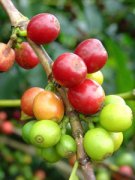
Production and processing of coffee flavor of Ethiopian coffee beans
Ethiopia's geographical environment is very suitable for coffee growth. Coffee is mainly grown in the southern highlands between 1100 and 2300 meters above sea level. The main coffee producing areas are Harar, Limu, Djimma, Sidamo, Kaffa, Yergacheffe and Wellega. The soil drainage in these areas is good.
2016-05-16 Coffee production processing Ethel Searle Biya Coffee beans Flavor Ethiopia Earth
Mild climate Puerto Rican coffee flavor manor area introduces the characteristics of Puerto Rican coffee
It tastes long. This kind of coffee is very expensive and its flavor is comparable to that of any other coffee variety in the world. In the Yauco area, the coffee is owned and operated by local planters. The mountain climate here is mild, the plants have a long mature period (from October to February), and the soil is of high quality clay. Some old varieties of Arabica coffee beans are grown here, although the yield is higher.
2016-08-01 Climate mild Puerto Rico coffee flavor taste manor producing area introduction special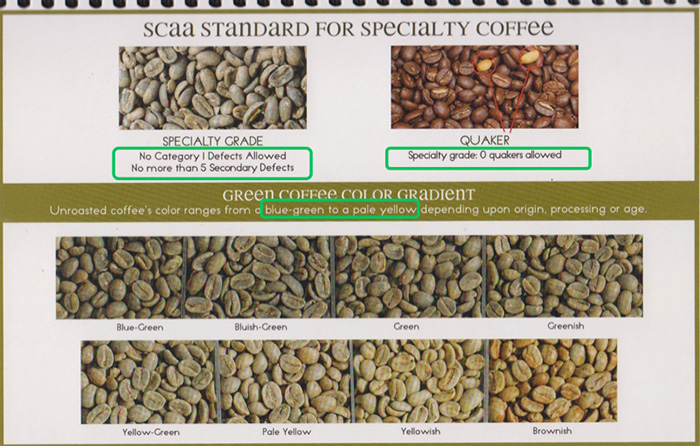
The standard of SCAA pecialty Coffee boutique coffee raw beans is necessary for a good cup of coffee.
The raw bean defects of SCAA can be divided into two types: I and II. The requirement for premium coffee grade (specialty coffee) is: 1. There are no class I defects; 2. No more than 5 II class defects 3. There can be no "quaker" (0 quaker) Quick beans in cooked coffee beans. 4. The color range of raw coffee beans is pale yellow (light yellow), yellow-green (
2015-12-05 SCAA pecialty Coffee boutique coffee raw beans
The birth of coffee beans (1) Coffee trees from planting to fruiting
Coffee trees take 3-5 years from planting to fruiting. 6-10 years of coffee trees are the most likely to bear fruit, about 15-20 years, is the harvest period. Coffee trees are usually bred in nurseries and grow into saplings, and then moved to coffee farms a year later, in full compliance with the way the Arabs planted and cultivated coffee trees. Coffee trees will continue to take root downward and upward in the first four or five years of their growth.
2015-10-12 Coffee beans birth planting fruit coffee 3-5 year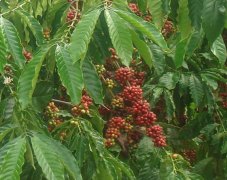
Basic knowledge of introduction to Coffee
The best growing area for coffee is between 25 degrees north latitude and 30 degrees south latitude. This region includes the heartland of many countries and parts of South America, Colombia, Africa, India, Asia, the Middle East and Hawaii. At present, there are about 70 coffee-producing countries, most of which are located at an altitude of 300400 meters, and coffee trees are sometimes cultivated in highlands at an altitude of 20002500 meters.
2015-08-31 Coffee entry Basics OK growth region North Latitude 25 degrees
Boutique coffee beans the latest Ethiopian coffee introduces unique flavor and full taste
Ethiopia's geographical environment is very suitable for coffee growth. Coffee is mainly grown in the southern highlands between 1100 and 2300 meters above sea level. The main coffee producing areas are Harar, Limu, Djimma, Sidamo, Kaffa, Yergacheffe and Wellega. The soil drainage in these areas is good.
2016-01-04 Boutique coffee beans latest Ethiopia coffee introduction flavor unique taste
Standard of SCAA pecialty Coffee Fine Coffee Raw Bean
[SCAA "Specialty Coffee" standard for high-quality coffee raw beans] the raw bean defects of SCAA can be divided into two types: I and II. The requirement for premium coffee grade (specialty coffee) is: 1. There are no class I defects; 2. No more than 5 II class defects 3. There can be no "quaker" (0 quaker) Quick beans in cooked coffee beans. 4. The appearance of raw coffee beans
2015-01-08 SCAA pecialty Coffee boutique coffee raw beans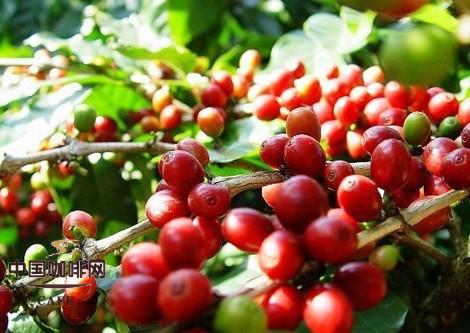
Ethiopian boutique coffee Ethiopian geographical environment Ethiopian coffee harvest fruity flavor in a year
Ethiopia's geographical environment is very suitable for coffee growth. Coffee is mainly grown in the southern highlands between 1100 and 2300 meters above sea level. The main coffee producing areas are Harar, Limu, Djimma, Sidamo, Kaffa, Yergacheffe and Wellega. The soil drainage in these areas is good.
2016-07-12 Ethel Searle Biya boutique coffee Ethiopia geography one year harvest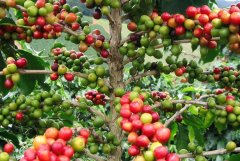
Nicaragua and lemon tree estate manual picking method Matagalpa production
Specialty coffee is also known as specialty coffee. It refers to coffee made from green beans with excellent taste characteristics grown in a few extremely ideal geographical environments. Depending on the particular soil and climatic conditions in which they are grown, they have outstanding flavors. This type of coffee is carefully selected and graded for its hard texture, rich taste and wind.
2016-06-28 Nicaragua lemon tree estate artificial picking method mataga erpa Ma
The harvest and processing process of coffee beans and two basic processing methods
Picking: due to climatic differences, the harvest season is usually from September to March in the Northern Hemisphere and from April to August in the Southern Hemisphere. When the coffee beans are ripe, they can be picked. In many alpine slopes, coffee must be picked manually. In relatively flat producing areas such as Brazil, Australia and Hawaii, they can be picked by machines. These two methods
2015-11-05 Coffee beans harvesting processing process and two basic treatment methods picking
Ethiopian Coffee Manor Flavor description Price planting Environment Brand taste introduction
In December 1994, the Constitution of the Federal Democratic Republic of Ethiopia was formulated. According to the Constitution, Ethiopia will implement a federal system and a parliamentary cabinet system after the general election for a term of five years. After the national election in May 1995, the Federal Democratic Republic of Ethiopia was established on August 22, and Meles became prime minister in her capacity as chairman of the majority party of the people's House of Representatives. On May 14, 2000, Ethiopia held a national meeting
2016-10-15 Ethiopia coffee manor flavor description price planting environment brand
Production and processing of Ethiopian Coffee
Ethiopia is one of the major producers of Arabica coffee in Africa, producing the best Arabian coffee in the world. It is said that coffee was first discovered by shepherds in Essekafa, and the name of coffee evolved from Kafa, so Essex is still the hometown of coffee. Ethiopia's geographical environment is very suitable for coffee growth. Coffee is mainly grown at 1100 meters to 2300 meters above sea level.
2015-03-09 Ethiopia coffee production processing Africa Arabia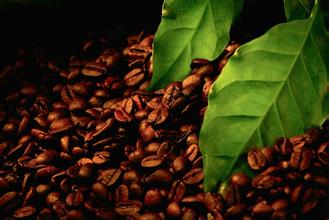
Boutique coffee beans Ethiopian coffee the latest coffee introduces a unique flavor full of taste
Ethiopia's geographical environment is very suitable for coffee growth. Coffee is mainly grown in the southern highlands between 1100 and 2300 meters above sea level. The main coffee producing areas are Harar, Limu, Djimma, Sidamo, Kaffa, Yergacheffe and Wellega. The soil drainage in these areas is good.
2015-12-31 Boutique coffee beans Ethiopia coffee latest introduction flavor unique taste
Puerto Rican Coffee with strong Flavor and strong Flavor introduction to the characteristics of Fine Coffee beans in Manor area
This kind of coffee is very expensive and its flavor is comparable to that of any other coffee variety in the world. In the Yauco area, the coffee is owned and operated by local planters. The mountain climate here is mild, the plants have a long mature period (from October to February), and the soil is of high quality clay. Some old varieties of Arabica coffee beans are grown here, although the yield is higher than other varieties.
2016-08-03 Taste aroma strong Puerto Rico coffee flavor taste manor producing area special
The correct way to plant coffee trees how to raise coffee trees
One of the characteristics of a coffee tree is that its fruit can bear fruit several times a year, and another is that flowers and fruits coexist at different stages of ripening. If the fruit is too ripe, the beans in it will rot. If the beans are not ripe, the beans will not ripen by themselves. So bean pickers often go through the same tree several times to find ripe fruit, but try their best.
2015-11-02 Right planting coffee method how one of the characteristics that is it's
The harvest and processing process of coffee beans and two basic processing methods
Picking: due to climatic differences, the harvest season is usually from September to March in the Northern Hemisphere and from April to August in the Southern Hemisphere. When the coffee beans are ripe, they can be picked. In many alpine slopes, coffee must be picked manually. In relatively flat producing areas such as Brazil, Australia and Hawaii, they can be picked by machines. These two methods
2015-11-09 Coffee beans harvesting processing process and two basic treatment methods picking
Basic knowledge of Fine Coffee basic knowledge of coffee tree planting
Coffee comes from Ethiopian curry. In Colombia, it was brought by a priest from the French Antilles via Venezuela in 1808. At present, Colombia is the fourth largest coffee producer in the world, behind Brazil, Vietnam and Indonesia. There are four types of coffee trees in the world, namely, ARABICA, ROBUSTA and LIBERICA.
2015-03-18 Boutique coffee basics common sense planting origin Ethiopia caffeine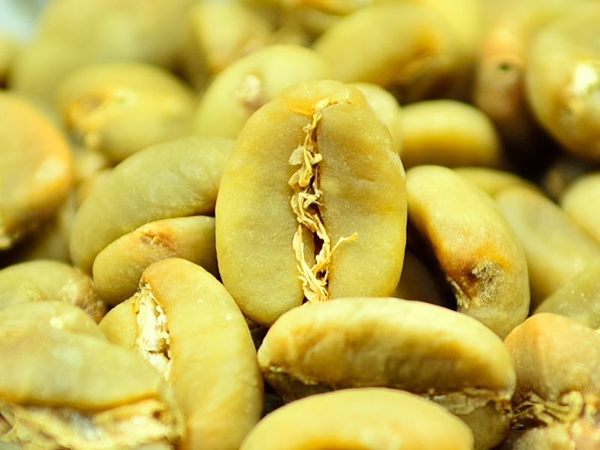
Treatment of raw coffee beans from planting to transportation: pulp peeling, fermentation, drying, selection
The harvested coffee fruit is transported to the processing plant. The factory processes peeling, fermentation, drying, sorting and other processes for processing coffee beans. Remove the pulp, pick out the bad beans, soak and ferment in water, and re-dry in the sun. After this series of complex processes, you can get fresh raw beans. This process has a great impact on the quality of coffee beans.
2015-12-17 Coffee raw beans planting transportation process treatment pulp peeling fermentation drying