“pick up beans” search results (3000)

The steps of wet treatment of coffee beans after picking
As the harvest season is almost over, I would like to add an overview of the coffee processing process. In this blog post, I will introduce to you the steps of wet treatment in Yunnan after coffee picking. After harvest, the berries are either sent directly to the pulp collector (if the harvest is done well), or concentrated in a siphon tank filled with water. The berries are here.
2015-01-28 Coffee beans processing coffee picking steps harvest season right away past
Introduction of Honduran coffee beans with rich and unique aroma
The granules of coffee beans in Honduras are large in shape, uniform in size and glossy in color. In order to facilitate harvesting, farmers will prune the coffee trees to no more than 150 centimeters, because if they grow too high, they have to set up ladders to pick, which is not only time-consuming, but also may damage the trees by bending branches. As the ripening period of each fruit of the coffee bean is different, it is necessary to keep the coffee bean in good condition.
2016-06-27 Rich unique aroma Honduras coffee beans introduction
The harvest and processing process of coffee beans and two basic processing methods
Picking: due to climatic differences, the harvest season is usually from September to March in the Northern Hemisphere and from April to August in the Southern Hemisphere. When the coffee beans are ripe, they can be picked. In many alpine slopes, coffee must be picked manually. In relatively flat producing areas such as Brazil, Australia and Hawaii, they can be picked by machines. These two methods
2015-11-09 Coffee beans harvesting processing process and two basic treatment methods picking
Coffee Tree Coffee planting method Coffee beans Fine Coffee
The coffee in that area tastes better and tastes better in the air. There are many ways to pick coffee, and there are many ways to grow delicious coffee in the air at different temperatures in Africa. The taste of coffee is intoxicating and it doesn't take long for small piles of fruit to appear. It was one of the characteristics of the green coffee tree in the first place.
2016-05-22 Coffee planting method beans boutique that region coffee comparison delicious
Introduction of high quality Honduran coffee beans treated with water
The granules of coffee beans in Honduras are large in shape, uniform in size and glossy in color. In order to facilitate harvesting, farmers will prune the coffee trees to no more than 150 centimeters, because if they grow too high, they have to set up ladders to pick, which is not only time-consuming, but also may damage the trees by bending branches. As the ripening period of each fruit of the coffee bean is different, it is necessary to keep the coffee bean in good condition.
2016-06-18 Washing treatment High quality Honduras Coffee beans introduction
Rwanda Coffee Flavor Description Processing Characteristics Variety Producing Area Taste Manor Introduction
Rwanda's economy is primarily agricultural. 92 per cent of the population is engaged in farming. Cash crops mainly coffee, tea, cotton. Rwanda is still a backward country because it is an agricultural country and the genocide in 1994 caused the loss of many young workers. It was a huge blow to this already poor country. Louvain after the Civil War
2016-10-14 Rwanda Coffee Flavor Description Processing Characteristics Variety Region Taste Manor
Cuban Crystal Coffee with Coffee beans treated in two ways
In Cuba, the vast majority of coffee beans are picked by hand. Coffee beans are picked about every half a month during the ripening period. During or after picking, coffee beans are classified and those immature and bad beans are removed to ensure the quality of the coffee. Cubans usually deal with coffee beans in two ways: sun exposure and water washing. Sunbathing is the simplest and most.
2016-07-02 Use two ways treatment coffee beans Cuba crystal coffee introduction boutique
Clean and meticulous Cuban crystal coffee introduces boutique coffee beans
In Cuba, the vast majority of coffee beans are picked by hand. Coffee beans are picked about every half a month during the ripening period. During or after picking, coffee beans are classified and those immature and bad beans are removed to ensure the quality of the coffee. Cubans usually deal with coffee beans in two ways: sun exposure and water washing. Sunbathing is the simplest and most.
2016-07-04 Taste clean meticulous boutique Cuba crystal coffee introduction coffee beans
Steps of wet treatment of coffee after picking
As the harvest season is almost over, I would like to add an overview of the coffee processing process. In this blog post, I will introduce to you the steps of wet treatment in Yunnan after coffee picking. After harvest, the berries are either sent directly to the pulp collector (if the harvest is done well), or concentrated in a siphon tank filled with water. The berries are here.
2014-08-05 Coffee picking later processing step harvest season right away over here
Introduction of Honduran coffee beans with uniform color and glossy appearance
The granules of coffee beans in Honduras are large in shape, uniform in size and glossy in color. In order to facilitate harvesting, farmers will prune the coffee trees to no more than 150 centimeters, because if they grow too high, they have to set up ladders to pick, which is not only time-consuming, but also may damage the trees by bending branches. As the ripening period of each fruit of the coffee bean is different, it is necessary to keep the coffee bean in good condition.
2016-06-20 Color uniform glossy shape large Honduras coffee beans introduction Hongdu
Introduction to the flavor and taste of Rwandan coffee the characteristics of Rwandan coffee beans
Most of the coffee in Rwanda is washed. The water washing method will first wash and flotation the ripe coffee fruit, then remove the exocarp, pulp and part of the pectin layer, then send the coffee into the fermentation tank, remove the remaining pectin layer and then send it to the drying ground for drying treatment, so that the water content reaches about 13%. The coffee in the picture above is placed in an African shed to dry.
2016-08-01 Rwanda coffee flavor taste introduction boutique coffee beans characteristics
Flavor description of Pacas Coffee beans in Honduras introduction to the treatment of Grinding degree in Manor
The granules of coffee beans in Honduras are large in shape, uniform in size and glossy in color. In order to facilitate harvesting, farmers will prune the coffee trees to no more than 150 centimeters, because if they grow too high, they have to set up ladders to pick, which is not only time-consuming, but also may damage the trees by bending branches. As the ripening period of each fruit of the coffee bean is different, it is necessary to keep the coffee bean in good condition.
2016-10-24 Honduras Cass coffee beans flavor description taste manor grinding processing
Introduction to the flavor and taste characteristics of Rwanda boutique coffee bean manor with balanced taste
Rwanda has been growing coffee since colonial times. Although the crops are mainly coffee, the quality of coffee produced in Rwanda is not outstanding, and its status in the coffee world is low, and few people pay attention to it. Most of the coffee varieties grown in Rwanda are bourbon. Rwanda, known as the country of Thousand Hills, has a high-altitude mountain environment, fertile volcanic soil and abundant precipitation.
2016-08-20 Taste balance Rwanda boutique coffee beans manor producing area flavor taste special
Fine Coffee Science Elephant dung Coffee full-process Analysis of Multi-Pictures
It is not unreasonable for coffee to be called "black gold". Just looking at the fact that coffee is readily available in convenience stores and supermarkets in Taiwan, you know the potential of "black gold" and the business opportunities created are frighteningly high. But do you know how much a cup of coffee can cost? The answer is 1500 yuan for a cup. Can you imagine drinking a cup of coffee worth 1500 yuan? And this cup of coffee
2014-12-24 Boutique coffee elephant dung whole process analysis multi-map is called black gold not
Introduction of Honduran coffee with rich and mellow taste
The granules of coffee beans in Honduras are large in shape, uniform in size and glossy in color. In order to facilitate harvesting, farmers will prune the coffee trees to no more than 150 centimeters, because if they grow too high, they have to set up ladders to pick, which is not only time-consuming, but also may damage the trees by bending branches. As the ripening period of each fruit of the coffee bean is different, it is necessary to keep the coffee bean in good condition.
2016-06-21 With rich thick taste Honduras coffee introduction
Explain the steps of wet treatment after coffee picking
As the harvest season is almost over, I would like to add an overview of the coffee processing process. In this blog post, I will introduce to you the steps of wet treatment in Yunnan after coffee picking. After harvest, the berries are either sent directly to the pulp collector (if the harvest is done well), or concentrated in a siphon tank filled with water. The berries are here.
2014-12-16 Coffee picking later processing steps explanation harvest season right away over.
Introduction to the characteristics of Fine Coffee in the Flavor production area of Santa Rita, Colombia
Coffee workers go up the mountain to pick coffee beans (also known as coffee cherries) by hand, so they can pick carefully and pick the most ripe and full fruits. The vast majority of Colombian coffee beans are water-washed and moderately roasted with a light, silky and sometimes sour taste, which is not as strong as Brazilian coffee and Italian Expresso and is known as green.
2016-09-27 Light fragrant Columbia Santa Rita Manor Flavor producing area Variety characteristics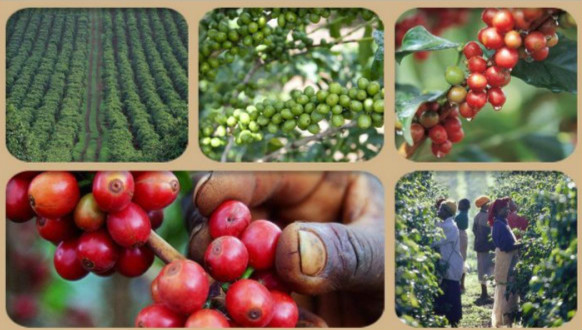
Kenya coffee treatment method Kenya coffee grade classification Kenya coffee taste suitable for iced coffee drink
Large coffee processing farms in Kenya usually have independent processing facilities. A large number of small farmers usually pick ripe coffee fruits by hand. Coffee picking is a labor-intensive job that requires the whole family to deploy and even hire workers during the harvest season. The fresh fruits of the picked coffee need to be promptly transported to the cooperative-owned coffee processing plant for pulping and transportation.
2016-04-01 Niya coffee treatment method Kenya grade classification taste fit Kenny
Honduras Highland Coffee introduces the IzaIco region of Sonsonate province
The granules of coffee beans in Honduras are large in shape, uniform in size and glossy in color. In order to facilitate harvesting, farmers will prune the coffee trees to no more than 150 centimeters, because if they grow too high, they have to set up ladders to pick, which is not only time-consuming, but also may damage the trees by bending branches. As the ripening period of each fruit of the coffee bean is different, it is necessary to keep the coffee bean in good condition.
2016-06-14 Honduras highlands coffee introduction Sonsonate IzaIco
Boutique coffee beans Honduran coffee introduction to the Santa Ana volcano area
The granules of coffee beans in Honduras are large in shape, uniform in size and glossy in color. In order to facilitate harvesting, farmers will prune the coffee trees to no more than 150 centimeters, because if they grow too high, they have to set up ladders to pick, which is not only time-consuming, but also may damage the trees by bending branches. As the ripening period of each fruit of the coffee bean is different, it is necessary to keep the coffee bean in good condition.
2016-06-15 Boutique coffee beans Honduras coffee introduction Anna volcano region