“pick a good one” search results (3000)

Introduction of high-quality Nicaraguan coffee producing areas in Matagalpa, central Central America
Nicaragua is an economically backward agricultural country, is one of the poorest countries in Central America, the unemployment rate is very high, people live in poverty, and coffee is Nicaragua's pillar industry, producing nearly 100,000 tons of coffee beans every year. Due to the poor economic foundation, the coffee industry is still relatively backward, and coffee farmers are also in a relatively poor state. Although Nicaragua is a large part of Central America,
2016-06-27 Quality Nicaragua Coffee producing area introduction Mataga Erpa Central America Central
The way to pick up beans: in the sun. Wash and bask in half the sun. Semi-washing
Everyone knows about oranges. Banana。 Apples and other fruits are rich in organic acids, immature fruits eat sour and astringent taste, ripe fruits taste sweet and delicious, because the organic acids of the fruit are converted into sugar.
2014-06-17 Coffee knowledge ways to pick up coffee beans coffee encyclopedia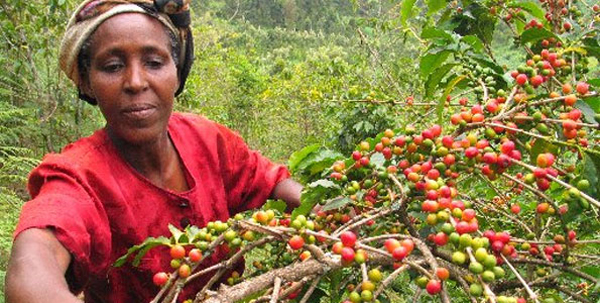
The harvest time of coffee fruit knowledge of growing coffee beans
The vast majority of coffee fruits are picked manually. In order to ensure the quality of coffee, pickers need to identify which fruits are suitable for harvest and pick them one by one from the tree, which takes a lot of energy and time. In this era when the tide of science and technology is sweeping in, such humane manual work is very precious. Due to different planting areas, the receiving time also changes.
2015-06-24 Coffee harvest time planting coffee beans knowledge the vast majority coffee through
Coffee technology How to hand-pick coffee beans and defective coffee beans
It is a step to remove impurities and bad beans attached to delicious coffee beans. Coffee beans are often mixed with foreign matter, such as stones, wood chips, metal pieces, soil particles, tree fruits, etc., and sometimes coins and glass pieces. Apples don't taste different depending on their size. I agree with that, but in the roasting of coffee beans, it's all heated anyway. Coffee beans vary in size.
2014-10-17 Coffee knowledge Coffee techniques Hand picked coffee beans Coffee defective beans
Introduction to the characteristics of coffee flavor and taste varieties of Costa Rican St. Roman Manor with pure flavor
All the coffee trees planted in Costa Rica are Arabica coffee trees. through improvement, the quality of coffee beans is better and more stable. in order to facilitate picking, coffee trees are kept at a height of about 2 meters through continuous pruning. The coffee that people eat is the taste of the seeds in the fruit that are brewed in water. After picking raw coffee beans, the peel, pulp, seed film and sun exposure must be removed.
2016-10-07 Purity flavor Costa Rica Roman manor coffee taste variety producing area
Coffee fruit harvest time when coffee trees are harvested in different regions
The vast majority of coffee fruits are picked manually. In order to ensure the quality of coffee, pickers need to identify which fruits are suitable for harvest and pick them one by one from the tree, which takes a lot of energy and time. In this era when the tide of science and technology is sweeping in, such humane manual work is very precious. (due to different planting areas, the receiving time also changes.)
2016-05-14 Coffee harvest time different region when most coffee classics
Full grain Costa Rican coffee growing area flavor and taste introduce boutique coffee beans
All the coffee trees planted in Costa Rica are Arabica coffee trees. through improvement, the quality of coffee beans is better and more stable. in order to facilitate picking, coffee trees are kept at a height of about 2 meters through continuous pruning. The coffee that people eat is the taste of the seeds in the fruit that are brewed in water. After picking raw coffee beans, the peel, pulp, seed film and sun exposure must be removed.
2016-07-06 Granule full Costa Rica coffee planting producing area flavor taste introduction
Introduction to the flavor and taste of Costa Rican coffee with full grains and ideal acidity
The coffee trees planted in Costa Rica are all Arabica coffee trees. through improvement, the quality of coffee beans is better and more stable. in order to facilitate picking, coffee trees are kept at a height of about 2 meters through continuous pruning. The coffee that people eat is the taste of the seeds in the fruit that are brewed in water. After picking raw coffee beans, the peel, pulp, seed film and sun exposure must be removed.
2016-07-01 Granules fullness acidity ideal Costa Rica coffee flavor taste introduction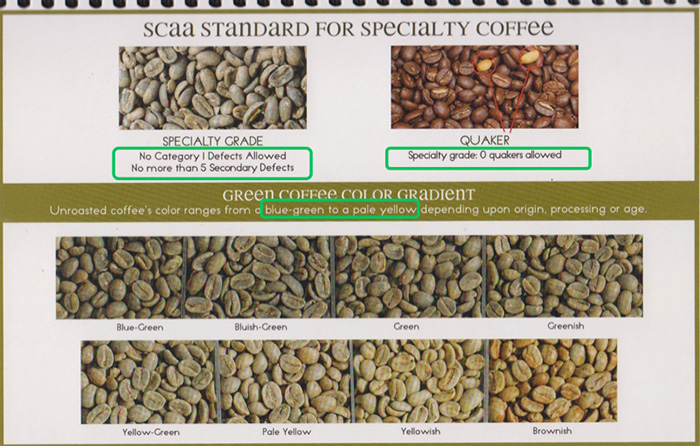
The standard of SCAA pecialty Coffee boutique coffee raw beans is necessary for a good cup of coffee.
The raw bean defects of SCAA can be divided into two types: I and II. The requirement for premium coffee grade (specialty coffee) is: 1. There are no class I defects; 2. No more than 5 II class defects 3. There can be no "quaker" (0 quaker) Quick beans in cooked coffee beans. 4. The color range of raw coffee beans is pale yellow (light yellow), yellow-green (
2015-12-05 SCAA pecialty Coffee boutique coffee raw beans
Introduction to the producing areas of Nicaraguan Coffee by describing the characteristics of Grinding degree and Flavor
Nicaragua is an economically backward agricultural country, is one of the poorest countries in Central America, the unemployment rate is very high, people live in poverty, and coffee is Nicaragua's pillar industry, producing nearly 100,000 tons of coffee beans every year. Due to the poor economic foundation, the coffee industry is still relatively backward, and coffee farmers are also in a relatively poor state. Although Nicaragua is a large part of Central America,
2016-10-15 Nicaragua Coffee Grinding characteristics Flavor description processing Taste Variety production
The unique strong flavor of Costa Rican coffee introduces the Costa Rican coffee producing area.
All the coffee trees planted in Costa Rica are Arabica coffee trees. through improvement, the quality of coffee beans is better and more stable. in order to facilitate picking, coffee trees are kept at a height of about 2 meters through continuous pruning. The coffee that people eat is the taste of the seeds in the fruit that are brewed in water. After picking raw coffee beans, the peel, pulp, seed film and sun exposure must be removed.
2016-07-27 Aroma unique strong Costa Rica coffee flavor introduction producing area Costa
Description of Coffee Flavor in Lemon Manor in Nicaragua; introduction to the taste of varieties in producing areas
. Nicaragua is an economically backward agricultural country, is one of the poorest countries in Central America, the unemployment rate is very high, people live in poverty, and coffee is Nicaragua's pillar industry, producing nearly 100,000 tons of coffee beans every year. Due to the poor economic foundation, the coffee industry is still relatively backward, and coffee farmers are also in a relatively poor state. Although Nicaragua has a large area in Central America,
2016-10-15 Nicaragua lemon tree manor coffee flavor description grinding characteristics variety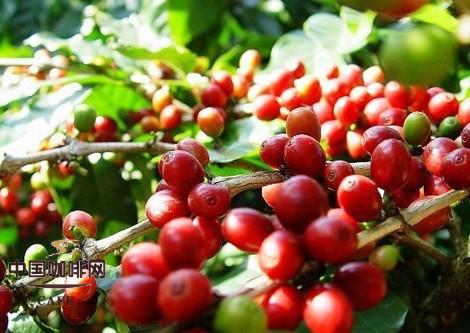
Ethiopian boutique coffee Ethiopian geographical environment Ethiopian coffee harvest fruity flavor in a year
Ethiopia's geographical environment is very suitable for coffee growth. Coffee is mainly grown in the southern highlands between 1100 and 2300 meters above sea level. The main coffee producing areas are Harar, Limu, Djimma, Sidamo, Kaffa, Yergacheffe and Wellega. The soil drainage in these areas is good.
2016-07-12 Ethel Searle Biya boutique coffee Ethiopia geography one year harvest
Introduction to the species of coffee trees in Costa Rica
The coffee trees planted in Arabica are all planted in Arabica, and through improvement, the quality of coffee beans is better and more stable. in order to facilitate picking, coffee trees are kept at a height of about 2 meters through continuous pruning. The coffee that people eat is the taste of the seeds in the fruit that are soaked in water. After picking raw coffee beans, the seeds can only be carried out by peeling, pulp, seed film and sun exposure.
2016-06-13 Costa Rica coffee variety introduction planting all rabbi coffee.
This article will take you into the world of coffee, a complete introduction to fine coffee.
Most Arabica coffee beans mature from June to August and Robart coffee beans from September to October. Therefore, although in some countries where the dry and wet seasons are not obvious, such as Colombia and Kenya, there are two flowering periods a year, that is, two harvests, strictly speaking, only once a year. Due to different regions, the harvest time is also different. North of the equator (eg Ethiopia
2016-06-13 This article take you enter coffee world boutique introduction complete solution most
Nicaraguan Joy Manor Coffee Flavor description Fine Coffee beans Grinding Fine Coffee introduction
Nicaragua is one of the major gold-producing countries in Latin America. It has been proved to have 106 gold veins, with an annual output of 70,000 ounces, ranking 13th in the world. Other minerals include silver, antimony, zinc, copper, lead and so on. Rich in geothermal resources. There are two oil deposits. Forests account for 43% of the country's area, exporting pine and mahogany. Fish, shrimp and other aquatic products are more abundant. Columbus sailed here in 1502 and arrived in eastern Nicaragua.
2016-09-28 Nicaragua Joy Manor Coffee Flavor description Fine goods Coffee beans Grinding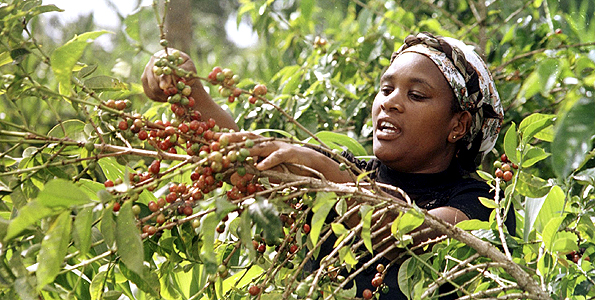
Coffee bean hand-picking method Colombian planting Colombian coffee beans Colombian picking
The harvest time and methods of coffee harvest vary from place to place, generally speaking, about 1-2 times a year, sometimes up to three or four times. The harvest time is mostly in the dry season. In Brazil, for example, around June, it starts from Basiya in the north-east and ends in Parana in the south around October. The harvest period for Central American countries is from September to January of the following year.
2016-03-29 Coffee beans hand picking shaking Colombia planting picking coffee harvesting and
Introduction to the flavor and taste of boutique coffee beans in Nicaragua Los Congo Manor Coffee Variety producing area
Columbus arrived here in 1502 and reached the east coast of Nicaragua. In 1522, Spanish colonists began to conquer the region. The cities of Granada and Leon were founded in 1524. From then on, Nicaragua became a Spanish colony and came under the jurisdiction of the Governor's Office of Guatemala. The city of Leon developed into a political and cultural center; Granada became a commercial and agricultural center. In the later period of colonial rule
2016-09-23 Nicaragua Los Congo Manor Coffee Variety producing area Fine goods Coffee beans
The way to pick up beans: in the sun. Wash and bask in half the sun. Semi-washing
Today, I'd like to introduce the way to get beans from coffee: everyone knows citrus. Banana。 Apples and other fruits are rich in organic acids, immature fruits eat sour and astringent taste, ripe fruits taste sweet and delicious, because the organic acids of the fruit are converted into sugar. Coffee should also be picked after it is red and ripe, and the beans are more sweet. If the coffee farmer wants to save trouble, regardless of the coffee fruit
2015-06-06 Take beans way insolate wash
Coffee grounds green fertilizer two kinds of coffee coffee picking coffee net
Coffee grounds as a green material can be fertilized to nitrogen-loving plants and most seasonal plants and onions. Sprinkle coffee grounds into the pots of home-grown acid-loving plants, such as rhododendrons, roses, camellias, milanos, etc., to help produce more beautiful and colorful flowers. Coffee grounds mixed with brown materials such as dead leaves and hay are excellent compound fertilizers
2016-04-16 coffee green fertilizer guangxi picking as one kind raw material