“outer layer” search results (500)

The forming Environment of Coffee trees
In botany, coffee trees belong to the evergreen trees of the subgenus Rubiaceae, and coffee beans, commonly known as coffee beans, are actually the seeds of the fruit of coffee trees, just because they are shaped like beans. Climate is the decisive factor for coffee cultivation. Coffee trees are only suitable for growing in the tropics or subtropics, so the zone between latitude 25 degrees south and north is generally called coffee belt or coffee area.
2015-07-30 Coffee generation environment boutique coffee botany belong to grass family subgenus evergreen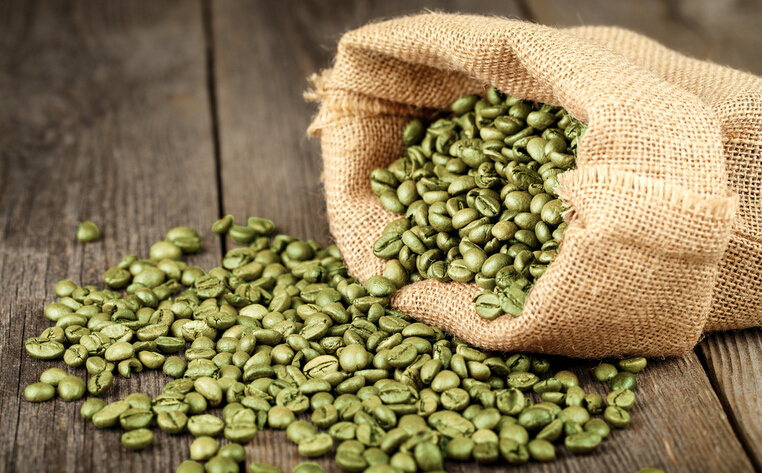
The classification of coffee beans. Classification of raw beans.
Plant classification Coffee tree belongs to the evergreen tree of Rubiaceae. Rubiaceae plants have been dominated by plants with special effects since ancient times, such as quinine tree, which is regarded as a specific drug for malaria, and Dugan, which is used to treat Amiba dysentery. Coffee is defined as the most unique alkaloid drinking flora. The fruit of coffee is made up of outer skin, pulp, endocarp, silver skin, and the species wrapped in the innermost layers mentioned above.
2016-03-21 Coffee planting raw beans fruits coffee beans classification plants coffee tree genus
Coffee knowledge the generating environment of coffee trees
In botany, coffee trees belong to the evergreen trees of the subgenus Rubiaceae, and coffee beans, commonly known as coffee beans, are actually the seeds of the fruit of coffee trees, just because they are shaped like beans. Climate is the decisive factor for coffee cultivation. Coffee trees are only suitable for growing in the tropics or subtropics, so the zone between latitude 25 degrees south and north is generally called coffee belt or coffee area.
2014-09-16 Coffee knowledge coffee tree coffee tree growth
How much coffee can be produced by each coffee tree? how long does it take to plant coffee?
The first flowering period of the coffee tree is about three years. The five-petal tube-shaped white flowers are filled with a faint scent of jasmine, and the inflorescences are arranged in dense clusters. It will wither after two or three days of flowering and begin to bear fruit after a few months. The fruit is a drupe with a diameter of about 1.5 cm, which is green at first, then turns yellow gradually, and turns red when ripe, so it is very similar to cherries.
2016-10-17 Coffee each tree can how much need plant how long coffee for the first time open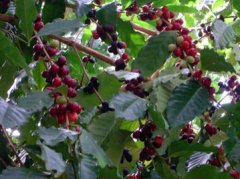
Basic knowledge of Coffee Coffee Tree Classification and growth picking period
Coffee tree belongs to the evergreen tree of Rubiaceae. Since ancient times, most of the plants of Rubiaceae are plants with special effects, such as quinine tree, which is regarded as a specific drug for malaria, and Dugan, which is used to treat amoeba dysentery. Coffee is defined as the most unique alkaloid drinking flora. The fruit of coffee consists of outer skin, pulp, endocarp, silver skin, and seeds (coffee beans) wrapped in the innermost layers mentioned above.
2015-03-11 Coffee basic knowledge classification growth picking coffee tree genus grass family evergreen Joe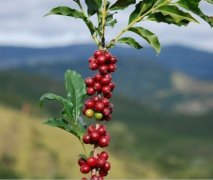
Fine Coffee study the forming Environment of Coffee trees
In botany, coffee trees belong to the evergreen trees of the subgenus Rubiaceae, and coffee beans, commonly known as coffee beans, are actually the seeds of the fruit of coffee trees, just because they are shaped like beans. Climate is the decisive factor for coffee cultivation. Coffee trees are only suitable for growing in the tropics or subtropics, so the zone between latitude 25 degrees south and north is generally called coffee belt or coffee area.
2015-01-07 Boutique Coffee Generation Environment Botany belonging to Grass Family subgenus Evergreen
Coffee encyclopedia freshness is the life of coffee
Freshness is the life of coffee how to determine the freshness of coffee beans there are three steps: smell, see, peel. Smell: put the coffee beans close to the nose, smell deeply, whether you can clearly smell the aroma of coffee beans, if so, it means that the coffee beans are fresh enough. On the contrary, if the aroma is weak, or if the smell is already greasy (like peanuts or nuts for a long time)
2014-09-28 Coffee encyclopedia coffee freshness coffee beans
Geo-climatic production process of coffee in Rwanda
Maraba Coffee, the geographic and climatic editor, is grown in southern Rwanda, about 12km (7 miles) from the city of Butare and 150km (93 miles) from the capital, Gejali. The plan began in the Malaba area of Butare province, but was taken over by a local government organization in 2006, which is now part of the Huye district of the southern province. Due to its proximity to the East African Rift Valley and Neuenweisen,
2016-05-29 Rwanda Coffee Geography Climate production process Editor Malaba
Geo-climatic production process of coffee in Rwanda
Malaba Coffee grows in southern Rwanda, about 12 kilometers (7 miles) from the city of Butare and 150 kilometers (93 miles) from the capital, Gejali. The plan began in the Malaba area of Butare province, but was taken over by a local government organization in 2006, which is now part of the Huye district of the southern province. Due to its proximity to the East African Rift Valley and the Neuenway Forest Mountains, this area has many topography.
2016-05-29 Rwanda coffee geography climate production process Malaba Raba better than
Malaba coffee grown in southern Rwanda Lutechiro, Western Province
Maraba coffee is grown in southern Rwanda, about 12 km (7 mi) from Butare and 150 km (93 mi) from the capital, Gigali. The project began in the Malaba area of Butare province, but was succeeded by local government organizations in 2006, and the area is now part of the Huye region of Southern province. Due to its proximity to the Great Rift Valley and the Nunwe Forest Mountains, the terrain of this zone
2016-07-02 long rwanda south malaba laba coffee western province te xi producing area
Malaba Coffee from Coffee producing areas in Southern Rwanda
Grows in southern Rwanda, about 12 km (7 miles) from the city of Butare and 150 km (93 miles) from the capital, Gejali. The plan began in the Malaba area of Butare province, but was taken over by a local government organization in 2006, which is now part of the Huye district of the southern province. Due to its proximity to the East African Rift Valley and the Neuenway Forest Mountains, the terrain is sloping and steep.
2016-06-18 Rwanda South Coffee producing areas species Malaba Rabbah longer than
The purchase and Preservation of Coffee beans
Freshness is the life of coffee how to determine the freshness of coffee beans there are three steps: smell, see, peel. ◎ smells the coffee beans close to his nose and smells deeply to see if he can clearly smell the aroma of the coffee beans. If so, it means the coffee beans are fresh enough. On the contrary, if the aroma is weak, or if the smell is already greasy (like peanuts or nuts for a long time)
2014-11-03 Coffee knowledge coffee common sense coffee bean purchase coffee bean preservation
Purchase and preservation of coffee beans
Purchase and preservation of coffee beans: freshness is the life of coffee how to determine the freshness of coffee beans there are three steps: smell, see, peel. ◎ smells the coffee beans close to his nose and smells deeply to see if he can clearly smell the aroma of the coffee beans. If so, it means the coffee beans are fresh enough. On the contrary, if the aroma is weak, or if the smell has begun to appear greasy (similar to flowers)
2014-05-13 Coffee beans coffee bean roasting coffee knowledge
The freshness of fine coffee is the life of coffee
Freshness is the life of coffee how to determine the freshness of coffee beans there are three steps: smell, see, peel. Smell: put the coffee beans close to the nose, smell deeply, whether you can clearly smell the aroma of coffee beans, if so, it means that the coffee beans are fresh enough. On the contrary, if the aroma is weak, or if the smell is already greasy (like peanuts or nuts for a long time)
2014-11-17 Coffee knowledge boutique coffee science coffee freshness
Southern part of Malaba Coffee production area, a coffee variety from Rwanda
Malaba Coffee grows in southern Rwanda, about 12 kilometers (7 miles) from the city of Butare and 150 kilometers (93 miles) from the capital, Gejali. The plan began in the Malaba area of Butare province, but was taken over by a local government organization in 2006, which is now part of the Huye district of the southern province. Due to its proximity to the East African Rift Valley and the Neuenway Forest Mountains, the terrain
2016-06-16 Rwanda Coffee Variety Malaba Rabbah production area South Rabah
The freshness of fine coffee is the life of coffee
There are three steps to determine the freshness of coffee beans: smell, see, and peel. Smell: put the coffee beans close to the nose, smell deeply, whether you can clearly smell the aroma of coffee beans, if so, it means that the coffee beans are fresh enough. On the contrary, if the aroma is weak, or if the smell has begun to appear greasy (like peanuts or nuts that will appear for a long time), it means
2014-12-10 Boutique coffee common sense freshness life how to judge coffee beans three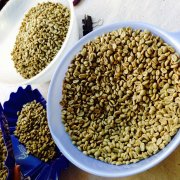
The growing environment of coffee trees evergreen trees of the subgenus Rubiaceae
The formation environment of coffee trees in botany, coffee trees belong to the evergreen trees of the subgenus Rubiaceae, and coffee beans, commonly known as coffee beans, are actually the seeds of the fruit of coffee trees, just because they are shaped like beans, so they are called coffee beans. Climate is the decisive factor for coffee cultivation. Coffee trees are only suitable for growing in the tropics or subtropics, so the zone between latitude 25 degrees south and north is generally called
2015-10-17 Coffee generation environment grasses subgenera evergreen trees green trees coffee
What's so special about coffee? what's so special about coffee?
There are many legends about the discovery of coffee. There is a legend that in the 13th century, there was a prince in Ethiopia who found that his camel loved to eat small oars on a bush, and he was very excited and energetic after eating it. So he also picked some small berry coffee trees (11) to taste, and finally discovered this refreshing coffee drink. Another kind of transmission
2016-05-26 Coffee what characteristics other places about people discoveries coffee legends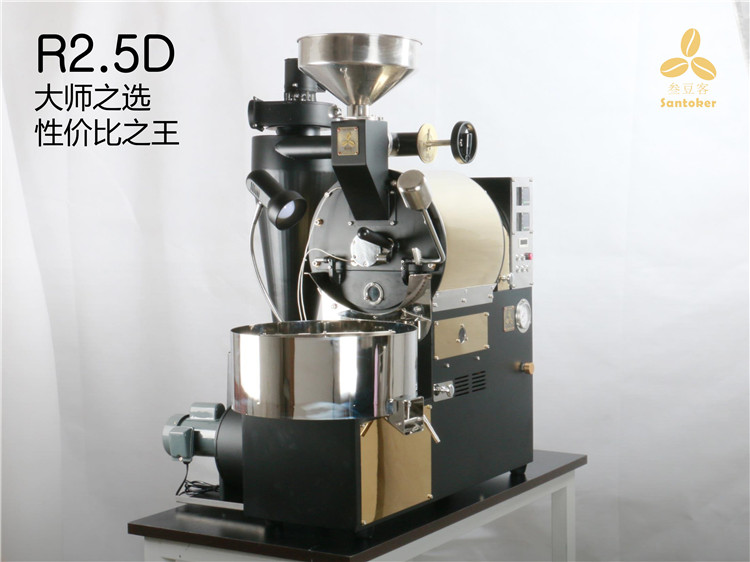
Coffee roaster three beans brand introduction: R2.5D coffee roaster santoker coffee bean roasting
The inner pot is shapeless and will not destroy the movement track of coffee beans. Cast iron inner pot surface plasma spraying far infrared ceramic emission far infrared ray through coffee beans heating outer ceramic protection inner pot can effectively avoid bean surface scald so fast baking firepower is valuable otherwise the speed is fast beans are all bitter. You can see it, and there is better quality assurance in places you can't see.
2015-12-19 Coffee roaster three beans brand introduction R2.5Djue santoker
How to choose coffee beans what are the characteristics of coffee beans?
Plant classification Coffee tree belongs to the evergreen tree of Rubiaceae. Rubiaceae plants have been dominated by plants with special effects since ancient times, such as quinine tree, which is regarded as a specific drug for malaria, and Dugan, which is used to treat Amiba dysentery. Coffee is defined as the most unique alkaloid drinking flora. The fruit of coffee is made up of outer skin, pulp, endocarp, silver skin, and the species wrapped in the innermost layers mentioned above.
2016-05-25 How to select coffee beans what introduction characteristics plants classification coffee tree genus