“other seed” search results (3000)

Introduction to the growing environment of Yunnan coffee and the proportion of seed brewing methods
Yunnan small grain coffee introduces Yunnan boutique coffee beans. China's coffee cultivation is concentrated in Yunnan and Hainan provinces. Yunnan has a large output, with an annual output of about 26000 tons in recent years, accounting for 90 per cent of the national output. It is said that Yunnan coffee came from the French 70 or 80 years ago. The main variety is Arabica Arabica, that is, the so-called small seed coffee, commonly known as Yunnan small grain coffee. Yunnan high-quality
2016-09-08 Yunnan coffee growth regional environment seeds methods brewing mode proportion medium
The unique process of coffee from seed to cup
There is a saying: good coffee is grown. Coffee beans are born with good flavor, high quality and rich taste, not added.
2014-07-18 Coffee knowledge coffee seeds coffee process coffee encyclopedia
The knowledge of coffee botany is mainly divided into the following five varieties
According to the botanical description of coffee: coffee is Rubiaceae, coffee genus, perennial evergreen shrubs or small trees. There are more than 60 types of coffee classified, but there are roughly two varieties of coffee grown commercially on a large scale, one is Arabica, accounting for about 70 percent of the world's coffee planting area, and the other is Robasta, accounting for about 30 percent of the world's coffee planting area. According to our country
2015-10-19 Coffee botany knowledge mainly divided into the following varieties
Brief introduction of Coffee planting History and planting Technology
In China, according to historical records, coffee trees were planted in Taiwan for the first time in 1884, and coffee cultivation in mainland China began in Yunnan. In 1902, a French missionary named Tian introduced seeds from Yingong, Binchuan County, Yunnan Province. it was successfully planted in a place called Zhu Kula, a tributary of the Jinsha River. The commercial cultivation of coffee in Yunnan began in 1985.
2014-07-09 Coffee cultivation coffee history coffee planting technology
Basic knowledge of fancy coffee how to make coffee essence
Coffee beans are the seeds in the coffee fruit. The coffee fruit is exposed to strong sunlight and the seeds are not taken out until the shell is broken. This method is called non-washing or natural drying. Another way is to put the coffee fruit in the sink to flash, soak in water to soften and then remove the flesh. The washing type refining process is that the harvested coffee fruit is put into the sink and soaked in 24 murmurs for 48 hours.
2015-02-10 Fancy coffee basics common sense how to make coffee beans fruits seeds
Brief introduction of Coffee planting History and planting Technology
In China, according to historical records, coffee trees were planted in Taiwan for the first time in 1884, and coffee cultivation in mainland China began in Yunnan. In 1902, a French missionary named Tian introduced seeds from Yingong, Binchuan County, Yunnan Province. it was successfully planted in a place called Zhu Kula, a tributary of the Jinsha River. The commercial cultivation of coffee in Yunnan began in 1985.
2015-10-07 Coffee planting History Technology introduction China Historical data Records 1884
Coffee botany knowledge
The botanical description of coffee is: "Coffee is Rubiaceae, coffee, evergreen shrubs or small trees."
2014-06-12 Coffee knowledge Coffee botany Coffee encyclopedia
Introduction to the origin, characteristics, flavor and taste of coffee beans
At present, the main tree species planted are Arabica species, Robusta species (Carneva species) and Liberika species. It can be subdivided into dozens of varieties, which will be distinguished in production, circulation and trading. Even in the same producing country, there will be subtle effects on the flavor and quality of coffee beans because of the differences in climate, altitude and soil quality in different regions.
2016-06-06 Coffee beans origin characteristics flavor taste introduction
What is Yunnan boutique coffee? The difference between Yunnan Fine Coffee and other Coffee beans
We often meet boastful people in coffee growing areas in Yunnan: our Yunnan coffee is delicious, our Yunnan coffee has won awards in the world, and our Yunnan coffee is very famous and delicious in the world. I asked them if they had had a drink. Where is it good? I can't answer. Many curry farmers mix 15% to 20% green fruit in red fruit. Can this kind of coffee taste good? This kind of coffee is only roasted.
2016-03-18 Yunnan boutique coffee what is other coffee beans differences species
Full-bodied Yunnan Tieka Coffee Flavor and Taste introduction to the characteristics of Fine Coffee in Manor area
Coffee is a short-day plant. Coffee has the characteristics of multiple flowering and concentrated florescence. The florescence of small seed coffee in Yunnan is from February to July, and the flowering period is from March to May. The flowering of coffee is greatly affected by climate, especially rainfall and temperature. Coffee flowers have a short life span of only 2-3 days. Small seed coffee usually opens at 3: 5 in the morning and blooms from 5 to 7 o'clock. The development time of coffee fruit is longer.
2016-09-08 Mellow full-bodied Yunnan pickup coffee flavor taste manor producing area characteristics
Full-bodied Yunnan Coffee Flavor description Grinding degree Taste characteristics of Fine Coffee
Small-grain coffee is suitable for growing in the mountains at an altitude of 800 to 1800 meters. If the altitude is too high, it will taste sour, and if it is too low, it will taste bitter. Small grains of coffee are mostly planted in dry and hot valleys about 1100 meters above sea level, so they are moderately sour, rich and mellow. There is a unique environment suitable for the growth of small seed coffee in many areas of Yunnan, and the quality of small seed coffee is excellent. The planting area is mainly distributed in the
2016-10-06 Mellow full-bodied Yunnan coffee flavor description grinding taste characteristics boutique
Bad varieties and specifications of coffee beans
Bad kinds of coffee beans fermented by falling into the soil before harvest. The moldy smell will have a great impact on the taste of coffee. Dead beans, also known as unripe beans, or affected by climatic factors, the development is not perfect. Fried spots will be produced after baking, making the coffee have a green and astringent taste. Black beans fermented beans, coffee beans that have rotted and blackened. Because it is black, it can be used with normal coffee at a glance.
2016-05-31 Coffee beans bad type specification grade editing fermentation harvest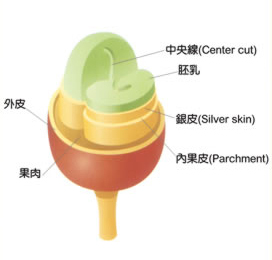
Coffee beans grow coffee beans seeds coffee raw beans Papua New Guinea A grade water washed pearl balls
Coffee seeds cannot be grown directly with coffee fruits picked from coffee trees. Peeling coffee fruits is like planting peanuts. If you plant a peanut with a shell in the soil, it cannot sprout. You must plant peanuts. It is the same with medium coffee. If you have coffee fruit in your hand, you can first bask it in the sun and shake it until it is shaken inside.
2016-04-15 Coffee beans planting seeds coffee raw beans Papua New Guinea washing treatment
Coffee cultivation techniques detailed explanation of planting knowledge of Coffee trees
Coffee, cocoa and tea are called the three major beverages in the world, and their output, consumption and output value all rank first. In addition to being used as a beverage, coffee can also extract caffeine and coffee oil; in medicine, it can be used as an anesthetic, stimulant and diuretic cardiotonic agent. Coffee pulp can be used to make wine, vinegar, pectin and molasses; dried pulp can be used as animal feed; dried fruit shell can be used as fertilizer and burning
2015-02-16 Coffee cultivation techniques planting knowledge detailed explanation
A brief introduction to Coffee planting History and planting techniques
According to historical records, coffee trees were first planted in Taiwan in 1884, and coffee cultivation in mainland China began in Yunnan. In 1902, a French missionary named Tian introduced seeds from Yinggong County in Binchuan County, Yunnan Province. it was successfully planted in a place called Zhu Kula, which is located on the bank of the Yushan River, a tributary of the Jinsha River. The commercial cultivation of coffee in Yunnan began in 1985, but its development is slow.
2015-02-25 Coffee Common sense planting History Technology introduction Historical data Records 1884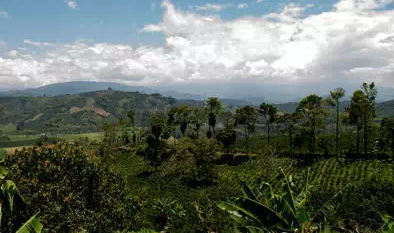
How does a coffee seed become delicious in a cup?
People in Seattle are curious. They want to know where their food comes from. We may know what kind of chicken we eat, or which farm our usual carrots come from, or which beach our oysters for dinner come from. Although Seattle people now prefer locally produced farm and livestock products, the same drink they need every day is another drink from the earth.
2015-05-20 One coffee seed it is how into in the cup delicious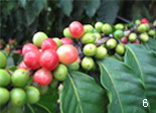
What is the structural stratification of coffee fruit? Is it true that there are five floors from the inside out?
The picture above shows the plane structure of coffee fruit. A mature and complete coffee fruit is divided into the above five parts. This picture shows the cross section of the coffee fruit, from which you can see the main structure of the coffee fruit more intuitively. Coffee should be grown with seeds with endocarp, and the raw coffee beans we usually come into contact with have already
2015-12-30 Coffee fruit structure layering how from the inside total five layers really outer skin
Bad types and grade planning of coffee beans
Bad kinds of coffee beans fermented by falling into the soil before harvest. The moldy smell will have a great impact on the taste of coffee. Dead beans, also known as unripe beans, or affected by climatic factors, the development is not perfect. Fried spots will be produced after baking, making the coffee have a green and astringent taste. Black beans fermented beans, coffee beans that have rotted and blackened. Because it is black, it can be used with normal coffee at a glance.
2016-06-01 Coffee beans improved varieties categories grades planning bad species editing fermentation harvesting
What are the bad varieties of coffee beans and grade planning
Fermented coffee beans that fall into the soil before harvest. Moldy odor, will have a great impact on the taste of coffee. Dead beans, also known as immature beans, or affected by climatic factors, development is not sound. After frying, it will produce fried spots, making coffee taste green. Fermented black beans, rotten, blackened coffee beans. Because it is black, it can be compared with normal coffee at a glance.
2016-06-13 coffee beans what bad variety grade planning kind edit fermentation
What are the soil and climate requirements for growing coffee beans
Coffee tree belongs to Rubiaceae (Rubiaceae), which is a shrub or small tree. It is native to subtropical Africa or Asia. The seeds in its berries are the main raw materials of coffee. Commercially, the seeds of coffee are called coffee beans (coffee bean). Flowers and fruits of coffee trees Coffee flowers grow in leaf axils, Corolla basin-shaped, cheese-colored or white, ovary two-loculed, one ovule per locule, fruit pulp
2016-05-27 Planting coffee beans soil climate what kind requirements coffee genus Rubiaceae plant