“original leaf” search results (600)

Coffee basics Arabica Coffee Tree
One of the most important coffee trees in the world. Arabica species (scientific name Coffee Arabica). The origin of Arabica species is Ethiopia's Abyssinia Plateau (present-day Ethiopian Plateau). In the early days, it was mainly used as medicine, and the habit of baking and drinking was developed in the 13th century. it was introduced into Europe through the Arab world in the 16th century.
2014-11-05 Coffee knowledge coffee basics Arabica coffee trees
Botanical classification of coffee beans Taste classification table of coffee beans
The botanical classification of coffee beans Coffee Tree Atlas Coffee Tree Coffee Tree Coffee is defined as the most unique alkaloid drinking flora. Usually after sowing for two to three years, coffee trees can grow to five in height.
2016-05-26 Coffee beans botany classification taste coffee beans coffee atlas
Arabica Coffee Estate-Arabica Coffee Estate
Java Island, the main coffee producing area, the oldest producing area, Java coffee reputation from the 18th century Indonesian coffee glory era continues to this day, mention Java coffee, still can be associated with high quality delicious, then the most famous blend is Java coffee with Yemen mocha. In addition, Java also has a very famous aged coffee, or monsoon coffee Monsooned c
2016-07-14 Indonesia Coffee Flavor Taste Introduction Rabbi Manor Region
Coffee botany knowledge-Malaysia Coffee City White Coffee
According to the botanical description of coffee: coffee is Rubiaceae, coffee genus, perennial evergreen shrubs or small trees. There are more than 60 types of coffee classified, but there are roughly two varieties of coffee grown commercially on a large scale, one is Arabica, accounting for about 70 percent of the world's coffee planting area, and the other is Robasta, accounting for about 30 percent of the world's coffee planting area. According to our country
2016-08-15 Coffee Botany knowledge Malaysia Chengbai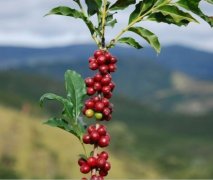
Mocha Coffee from the country where the beans are produced in Yemen
The word Mocha has many meanings. After 600 AD, the first coffee bean far from its hometown, Ethiopia, took root in the leaf gate on the other side of the Red Sea, and the coffee industry began all over the world. Since the most important export port of Yemeni coffee in the early days was the port of Mocha (now silted up), the coffee produced in Yemen was also called "mocha" beans; over time, some people
2015-05-18 Yemen coffee beans country of origin situation origin mocha coffee Mocha
Introduction to the flavor and taste of Colombian coffee with boutique coffee bean manor
The main varieties of Colombian coffee are small grains of coffee. Plants are small trees or large shrubs, 5-8 m tall, usually much branched at base; old branches gray-white, nodes dilated, young branches glabrous, compressed. Leaves thinly leathery, ovate-lanceolate or lanceolate, 6-14 cm long and 3.5-5 cm wide, tip long acuminate, acuminate part 10-15 mm long, base cuneate or slightly obtuse, rarely rounded, entire or
2016-07-25 Columbia coffee characteristics boutique coffee beans manor producing area flavor taste
Introduction to the Andean Mountains in the main cultivated areas of coffee trees in Colombia
The main varieties of Colombian coffee are small grains of coffee. Plants are small trees or large shrubs, 5-8 m tall, usually much branched at base; old branches gray-white, nodes dilated, young branches glabrous, compressed. Leaves thinly leathery, ovate-lanceolate or lanceolate, 6-14 cm long and 3.5-5 cm wide, tip long acuminate, acuminate part 10-15 mm long, base cuneate or slightly obtuse, rarely rounded, entire or
2016-06-24 Colombia Coffee main cultivation region introduction Andes Mountains Columbia
Quality of Colombian coffee grade producing area
The history of coffee cultivation in Colombia can be traced back to the Spanish colonial era in the 16th century, and there are many theories about the history of coffee in Colombia: one: it is said to come from the island of Haiti in the Caribbean and from El Salvador in Central America. Second: in 1808, a priest introduced coffee beans to Colombia for the first time from the French Antilles via Venezuela. One of them
2016-05-27 Colombia Coffee Grade Origin quality cultivation History
What are the kinds of coffee beans?
Coffee species Editing Plant Classification Coffee beans Coffee trees belong to Rubiaceae evergreen trees, Rubiaceae plants have been dominated by plants with special effects since ancient times, quinine trees, which are regarded as specific drugs for malaria, and Dugen, which is used to treat amitoeba dysentery. Coffee is defined as the most unique alkaloid drinking flora. The fruit of coffee is made up of outer skin, pulp, endocarp and silver skin.
2016-06-05 Coffee beans categories what coffee species editors plants classification coffee beans trees
Botanical classification of coffee beans
Coffee tree belongs to the evergreen tree of Rubiaceae. Since ancient times, most of the plants of Rubiaceae are plants with special effects, such as quinine tree, which is regarded as a specific drug for malaria, and Dugan, which is used to treat amoeba dysentery. Coffee is defined as the most unique alkaloid drinking flora. Usually after sowing for two to three years, coffee trees can grow to a height of about five to ten meters, but to prevent coffee beans from losing their aroma and flavor.
2016-06-12 Coffee species coffee beans botany taxonomy coffee tree genus grass family evergreen Joe
Knowledge of coffee botany basic knowledge of fine coffee
According to the botanical description of coffee: coffee is Rubiaceae, coffee genus, perennial evergreen shrubs or small trees. There are more than 60 types of coffee classified, but there are roughly two varieties of coffee grown commercially on a large scale, one is Arabica, accounting for about 70 percent of the world's coffee planting area, and the other is Robasta, accounting for about 30 percent of the world's coffee planting area. According to our country
2015-01-29 Coffee Botany knowledge Fine goods basic knowledge description Grass
Coffee botany knowledge
The botanical description of coffee is: "Coffee is Rubiaceae, coffee, evergreen shrubs or small trees."
2014-06-12 Coffee knowledge Coffee botany Coffee encyclopedia
Liberica coffee beans made in Hainan, China
Liberica coffee beans: large shrubs or small trees, 6-15 m tall; dark brown bark; branches spreading, hard and straight. Leaves opposite, leathery, elliptic or Obovate-elliptic, 15-30 cm long, tip mucronate, base broadly cuneate, margin entire, rarely microwave, often with small pores in lower vein axils; petiole 8-20 mm long; stipules broadly triangular, 3-4 mm long, tip obtuse, rarely convex
2015-10-13 Libby Rika Coffee beans China Hainan Origin Irrigation
Introduction to the characteristics of the Fine Coffee Flavor Manor in Kenya the Central Dashan area of Nyeri
Kenya has two coffee cherry production seasons a year. The main season is from October to December and the secondary season is from April to June. As a loyal fan of Kenyan coffee, we sugar bean boutique coffee certainly will not miss this delicious coffee. At the end of August, we arrived a new batch of new Kenyan beans in this season, from the Kenyan Gatuya washing station. The washing station was established in 1962 and currently cooperates with about 1.
2016-08-10 Kenya boutique coffee flavor taste manor producing area characteristics introduction Ny
Coffee beans Coffee Tree Coffee Tree Coffee Bean
Classification of plants Coffee beans Coffee trees belong to the evergreen tree of Rubiaceae. Rubiaceae plants have been dominated by plants with special effects since ancient times, such as quinine tree, which is regarded as a specific drug for malaria, and Dugen, which is used to treat amoeba dysentery. Coffee is defined as the most unique alkaloid drinking flora. The fruit of coffee consists of outer skin, pulp, endocarp, silver skin, and the above-mentioned layers.
2016-06-27 Coffee beans coffee types classification introduction boutique plants coffee beans
The taste of balanced Salvadoran coffee introduces Renas Manor.
Flavor: balanced taste, excellent texture suggested baking method: medium to deep, there are many uses of high-quality beans: El SHB taste characteristics: sour, bitter, sweet mild and moderate. Salvadoran coffee ranks side by side with Mexico and Guatemala as the producers of Asa and Merdo, and is fighting for the top one or two places in China and the United States with other countries. The highland of origin is equal in size and size.
2016-07-02 Taste balance El Salvador coffee flavor taste introduction Linus Nass
Introduction of Flavor description treatment methods and Grinding degree in Mantenin Coffee producing area in Indonesia
Java, the oldest producing area, continues its reputation from the glory days of Indonesian coffee in the 18th century. Java coffee is still reminiscent of high-quality delicacy, when the most famous blend is Java coffee with Yemeni mocha. In addition, Java also has a very famous old coffee Aged coffee, or monsoon coffee Monsooned coffee. Sue
2016-09-27 Indonesia Mante coffee producing area flavor description treatment way method
Colombia single-product coffee beans growing environment and origin quality Colombia single-product coffee special
Colombia Coffee (Cafe de Colombia) is produced in Colombia and is one of the few single-origin coffees sold in the world under its name. In terms of quality, it has earned accolades that no other coffee can match. Colombia is more concerned with product development and production promotion than other producing countries. It is this, coupled with its superior geographical and climatic conditions, that makes Colombi
2016-03-18 Colombia coffee beans cultivation environment and origin quality coffee
The source of Colombian coffee. Colombian coffee producing areas.
The main varieties of Colombian coffee are small grains of coffee. Plants are small trees or large shrubs, 5-8 m tall, usually much branched at base; old branches gray-white, nodes dilated, young branches glabrous, compressed. Leaves thinly leathery, ovate-lanceolate or lanceolate, 6-14 cm long and 3.5-5 cm wide, tip long acuminate, acuminate part 10-15 mm long, base cuneate or slightly obtuse, rarely rounded, entire or
2016-05-25 Colombia coffee source producing area variety major small grain
Classification of coffee by the National Standard for Coffee Botany
There are more than 60 types of coffee, but there are roughly two types of coffee grown on a commercial scale, one is Arabica, accounting for about 70% of the world's coffee planting area; one is Robasta, accounting for about 30% of the world's coffee planting area. According to the classification of coffee by China's national standards, it is mainly divided into the following five varieties. 1. Arabica coffee, i.e. Arabian species. origin
2015-01-17 coffee botany national standard classification class has variety commercial