“mm” search results (3556)

Origin Culture and species Morphology of Colombian Coffee
The earliest records of coffee cultivation in Colombia appear in a book called The Illustrated Orinoca by Spanish missionary Jose Gumilla. He describes what he saw when he preached on both sides of the Meta River in 1730, in which he mentioned the local coffee plantation. By 1787, other missionaries had spread coffee to other parts of Colombia.
2016-06-08 Colombia Coffee Origin Culture species form about
Introduction to the Andean Mountains in the main cultivated areas of coffee trees in Colombia
The main varieties of Colombian coffee are small grains of coffee. Plants are small trees or large shrubs, 5-8 m tall, usually much branched at base; old branches gray-white, nodes dilated, young branches glabrous, compressed. Leaves thinly leathery, ovate-lanceolate or lanceolate, 6-14 cm long and 3.5-5 cm wide, tip long acuminate, acuminate part 10-15 mm long, base cuneate or slightly obtuse, rarely rounded, entire or
2016-06-24 Colombia Coffee main cultivation region introduction Andes Mountains Columbia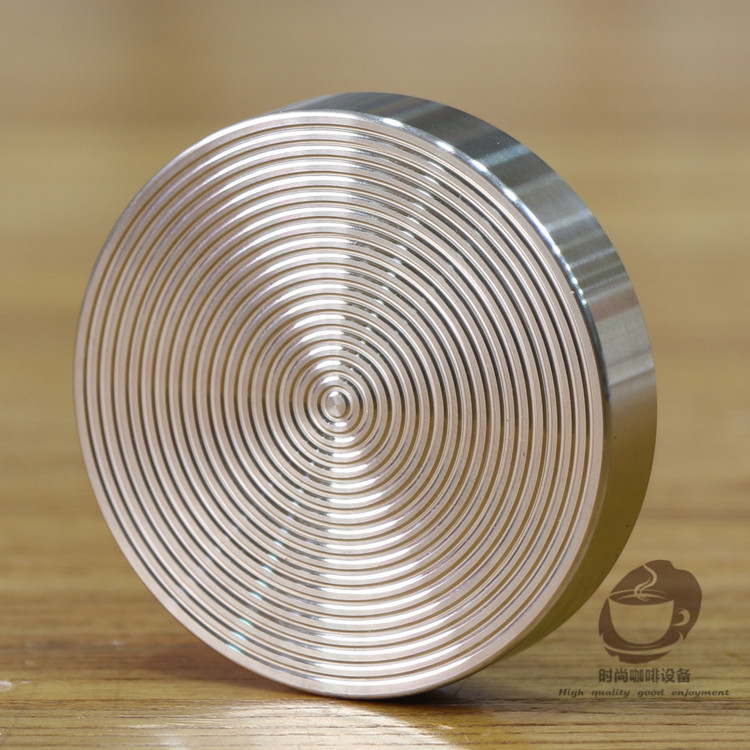
Introduction to Italian coffee utensils: American EP coffee powder hammer aviation aluminum stainless steel 58mm thread
Brand: Espresso parts Gross weight: 425g item No.: 58MM Color Classification: red and Blue accessory Type: coffee Powder Press [Product name] Coffee Machine Powder Press Hammer packing [Brand] Espresso parts [place] China [material] Aviation Aluminum + stainless Steel bottom (Thread bottom) [gauge] 58MM caliber, weight about 425g Espresso parts Powder
2015-12-18 Italian Coffee utensils introduction USA Powder pressing Aviation stainless Steel 58mm
Colombia Coffee Culture Colombia Coffee History
One: it is said to have come from Haiti in the Caribbean via El Salvador in Central America. Second, coffee beans were first introduced into Colombia in 1808 by a priest from the French Antilles via Venezuela. One of them is that the first coffee seeds from Colombia came from Venezuela through the province of Santander. [1]Third: the earliest coffee cultivation in Colombia
2016-05-26 Colombia Coffee culture Coffee History of development One said to be from Caribbean
Colombia coffee-producing country Lazmus farm with the most favorable natural conditions for coffee growth
Colombia, located in the northwest of South America, is a beautiful country with a long history. Indians have lived on this land since ancient times. It became a Spanish colony in 1531 AD and gained independence in 1819. It was renamed in 1886 to commemorate Columbus, the discoverer of the American continent. Colombia, beautiful mountains, beautiful scenery, pleasant climate, four seasons
2016-06-23 with Coffee Growing Favorable conditions Natural environment Colombia Country of origin Zimmer
The source of Colombian coffee. Colombian coffee producing areas.
The main varieties of Colombian coffee are small grains of coffee. Plants are small trees or large shrubs, 5-8 m tall, usually much branched at base; old branches gray-white, nodes dilated, young branches glabrous, compressed. Leaves thinly leathery, ovate-lanceolate or lanceolate, 6-14 cm long and 3.5-5 cm wide, tip long acuminate, acuminate part 10-15 mm long, base cuneate or slightly obtuse, rarely rounded, entire or
2016-05-25 Colombia coffee source producing area variety major small grain
Columbia Coffee Coca Cauca producing area with unique sour and mellow taste
The earliest record of coffee cultivation in Colombia appears in a book called The Illustrated Orinoca by Spanish missionary Jose Gumilla. He describes what he saw when he preached on both sides of the Meta River in 1730, in which he mentioned the local coffee plantation. By 1787, other missionaries had spread coffee to other parts of Colombia.
2016-06-30 Unique sour mellow Columbia Coffee Coca Cauca producing area Guan
Powder filler and espresso extract how to make espresso with coffee beans
Filler base diameter: the filler base diameter is very important, but the mainstream problem in the market is not the filler diameter, but its effective filling area. Most filler manufacturers, when making fillers, almost always wrap the edge of the base in an arc. However, this small design reduces the effective filling area. The following figure illustrates this phenomenon (VS
2016-07-19 Powder filling Italian concentrated coffee extract blending coffee beans how do
Large-grained coffee Coffea liberica Bull ex Hiern Liberica coffee
English name: big fruit coffee Name:Coffea liberica: coffee introduce: initiated in Liberia and West Africa. Large shrubs or small trees, 6-15 m tall; bark dark brown; branches spreading, hard and straight. Leaves opposite, leathery, elliptic or Obovate-elliptic, 15-30 cm long, apex mucronate, base broadly cuneate, margin entire, rarely microwave, often in axils of lower veins
2014-06-30 Large grains of coffee Libby Ricca coffee beans large fruit coffee beans
Powder filler and Italian espresso extraction filler Italian coffee machine Italian coffee beans
Filler base diameter: the filler base diameter is very important, but the mainstream problem in the market is not the filler diameter, but its effective filling area. Most filler manufacturers, when making fillers, almost always wrap the edge of the base in an arc. However, this small design reduces the effective filling area. The following figure illustrates this phenomenon (VS
2016-06-23 Filling powder Italian concentrated coffee extract filling pressure meaning coffee machine coffee beans spelling
Characteristics of Flavor and Taste in Colombian Coffee producing area introduction of Fine Coffee beans in Manor
The main varieties of Colombian coffee are small grains of coffee. Plants are small trees or large shrubs, 5-8 m tall, usually much branched at base; old branches gray-white, nodes dilated, young branches glabrous, compressed. Leaves thinly leathery, ovate-lanceolate or lanceolate, 6-14 cm long and 3.5-5 cm wide, tip long acuminate, acuminate part 10-15 mm long, base cuneate or slightly obtuse, rarely rounded, entire or
2016-08-31 Columbia coffee producing area flavor taste characteristics variety manor boutique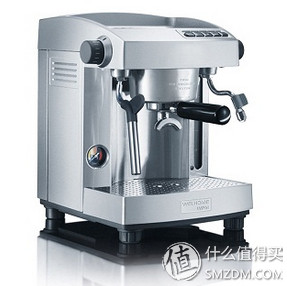
Basic data of domestic common domestic Italian coffee machine Aibao E61 double boiler Huijia 210
There are many kinds of coffee machines in the international coffee industry, but not many are common in China, even less suitable for household use, so it is easy to sort out and sort out some related content for reference when you buy it. I am not in the industry, nor can I claim to be an expert. Some of these machines have been used and some have not been used, so in order to ensure credibility, these numbers
2016-07-14 Domestic common home intention coffee machine basic data Aibao E61 boiler
Introduction to the planting Environment of Colombian Coffee grown in the Highland introduction to the production area of Fine Coffee Bean Coffee Manor
The main varieties of Colombian coffee are small grains of coffee. Plants are small trees or large shrubs, 5-8 m tall, usually much branched at base; old branches gray-white, nodes dilated, young branches glabrous, compressed. Leaves thinly leathery, ovate-lanceolate or lanceolate, 6-14 cm long and 3.5-5 cm wide, tip long acuminate, acuminate part 10-15 mm long, base cuneate or slightly obtuse, rarely rounded, entire or
2016-07-05 Highlands cultivation Colombia coffee environment introduction boutique coffee beans manor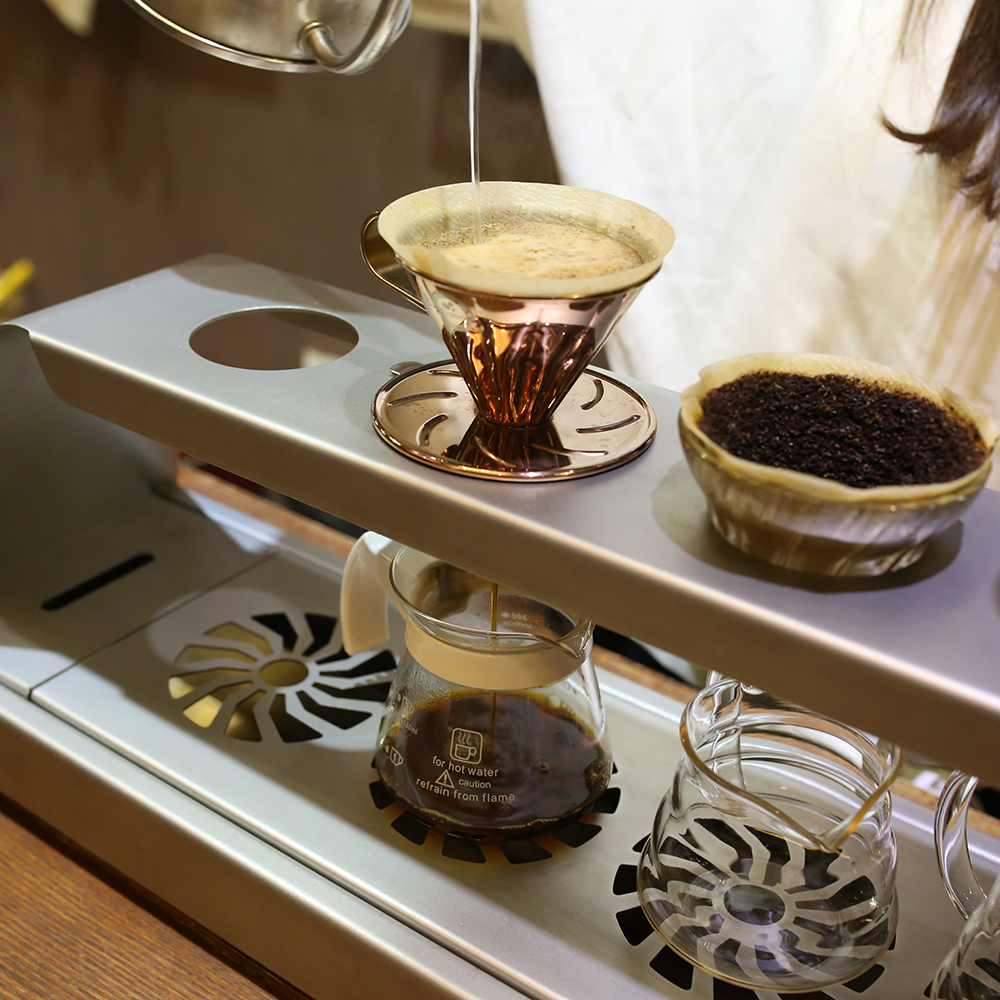
4-hole coffee hand frame Philharmonic pressure rack coffee bar special 2mm stainless steel sandblasting novice must have
Single hole aperture: 79 mm, can perfectly control the Philharmonic pressure, Harrio V60, TIAMO and other brands of filter cups, strong compatibility. The position of the four-hole distribution has also been precisely calculated, so that there will be no hindrance to the operation. Specification L*H*W (cm): 72.3X 22.9X 20.2 2mm stainless steel, integral sandblasting treatment. Because on the premise of self-use, there is no design and production at all.
2016-01-04 4 holes coffee hand rack Philharmonic press rack bar special purpose mm stainless steel spray
Colombia coffee history trace species morphology
The history of coffee cultivation in Colombia can be traced back to the Spanish colonial era in the 16th century. There are also many sayings about the history of coffee in Colombia: First, it is said that it came from the Caribbean island of Haiti via Salvador in Central America. Second, coffee beans were first introduced into Colombia in 1808 by a priest from the French Antilles via Venezuela. one of
2016-05-29 Colombia Coffee History Origin Species Form Cultivation
Colombian Santa Rita Manor Coffee with Gump in Acid: grindability, Price, Taste, introduction to the producing areas
The main varieties of Colombian coffee are small grains of coffee. Plants are small trees or large shrubs, 5-8 m tall, usually much branched at base; old branches gray-white, nodes dilated, young branches glabrous, compressed. Leaves thinly leathery, ovate-lanceolate or lanceolate, 6-14 cm long and 3.5-5 cm wide, tip long acuminate, acuminate part 10-15 mm long, base cuneate or slightly obtuse, rarely rounded, entire or
2016-10-08 Sour with Gump Columbia Santa Rita Manor Coffee Grinding Price taste
Introduction to Hope Manor, the main variety of Colombian coffee
One: it is said to come from the sea island of the Caribbean and from El Salvador in Central America. Second: in 1808, a priest introduced coffee beans to Colombia for the first time from the French Antilles via Venezuela. One of them is that Colombia's first coffee seeds were imported from Venezuela through the province of Santander. [1] third: the earliest coffee cultivation in Colombia
2016-07-11 Colombia coffee main variety small grain introduction hope manor one of them according to
Colombian coffee storage method unique flavor
The history of coffee cultivation in Colombia can be traced back to the Spanish colonial era in the 16th century, and there are many theories about the history of coffee in Colombia: one: it is said to come from the island of Haiti in the Caribbean and from El Salvador in Central America. Second: in 1808, a priest introduced coffee beans to Colombia for the first time from the French Antilles via Venezuela. One of them
2016-05-25 Colombia coffee storage method unique flavor cultivation
The History of Colombian Coffee in the Caribbean Island
History traces back to Colombian coffee brand Colombian coffee brand (9) the history of coffee cultivation in Colombia can be traced back to the Spanish colonial era in the 16th century, and there are many theories about the history of coffee in Colombia: one: it is said to come from the island of the Caribbean and by sea through El Salvador in Central America. Second: in 1808, a priest came from French Ann.
2016-06-18 Caribbean Haiti Colombia Coffee History Origin Goran
Colombia Coffee Region Flavor Taste Introduction Lazmus Manor
Colombia coffee varieties are mainly small coffee. Plants are small trees or large shrubs, 5-8 meters high, usually multi-branched at the base; old branches are gray, nodes expand, young branches glabrous, compressed. Leaves thinly leathery, ovate-lanceolate or lanceolate, 6-14 cm long, 3. 5 -5 cm wide, apex long acuminate, acuminate part 10-15 mm long, base cuneate or slightly obtuse, rarely rounded, entire or rounded
2016-07-20 Colombia Coffee Appellation Flavor Taste Introduction Morse Manor Goraz