“measuring beans” search results (3000)
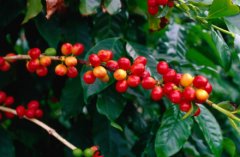
The coffee producing area of Reunion.
In 1715, the first coffee trees (about 40) were transported from the Yemeni port of Moka to LaReunion, but unfortunately only two survived. By 1719, coffee plantations had begun to flourish and the first coffee beans were sold. Over the next few years, the government took a hard measure: the islanders, black and white, had to plant 100 coffee trees a year. The law of 1723
2015-02-16 Global coffee origin reunion 1715 a batch of coffee about 40
Global coffee producing area-Reunion
In 1715, the first coffee trees (about 40) were transported from the Yemeni port of Moka to LaReunion, but unfortunately only two survived. By 1719, coffee plantations had begun to flourish and the first coffee beans were sold. Over the next few years, the government took a hard measure: the islanders, black and white, had to plant 100 coffee trees a year. The law of 1723
2015-08-24 Global coffee origin reunion 1715 a batch of coffee about 40
Starbucks coffee beans are still sold normally when they are about to expire.
During the visit, the reporter found that most of the coffee beans sold at the Starbucks coffee shop in Taiguhui are temporary food. Among them, the best date for a Kenyan coffee bean is October 27, 2012. According to the time the reporter visited on October 23, the product is only five days away from expiration. The staff told the reporter that generally 40 grams can be mixed with two cups of coffee, which is calculated on the basis of this.
2014-04-27 Buck coffee beans expired normal reporters visits discoveries located in Swire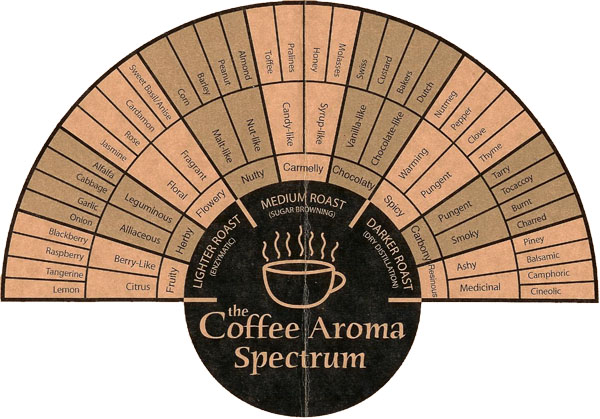
SCAA coffee cup testing process Coffee Flavor Coffee aroma, aroma, taste and aftertaste introduction
1. Fragrance: the first step in cup evaluation is to evaluate the aroma of coffee beans. Grind 10 grams of coffee, put it in 3-5 sample cups, and then breathe hard at the gas released by the freshly crushed coffee cells. The characteristics of the aroma indicate the essence of the taste of coffee beans: the sweet smell indicates that its taste is sour; the pungent smell indicates that its taste is irritating. The power of aroma
2016-01-15 SCAA coffee cup process coffee flavor aroma taste aftertaste
Coffee knowledge | introduction to basic cup testing
Why do we need a cup test? The significance of cup test is to evaluate and compare several different kinds of coffee at the same level. Because there are often very subtle differences between different coffees, and the characteristics of coffee (flavor, mellowness, freshness.) are easily affected by extraction methods (coffee utensils). Some of the causes of coffee are eliminated, and coffee can be tasted by carefully prepared cup tests.
2016-08-16 Coffee knowledge basics cup test introduction we why meaning can be in
What are the roasting degrees of coffee beans? what are the changes in different degrees of roasting?
What is the roasting degree of coffee beans? How does the taste change with different degrees of baking? With the deepening of roasting, the color of raw coffee beans changed from brown to black. The index used to indicate the roasting degree of coffee beans is called roasting degree, which is generally distinguished by the color of coffee beans. Now we often say that the order of baking degree from shallow to deep is: light baking, cinnamon baking, medium baking.
2016-06-14 Coffee beans which roasting varying degrees degrees production what changes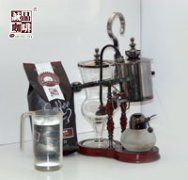
A tutorial on the use of Belgian pots
[prepare] a set of Belgian pots, bean grinders, coffee beans, measuring cups. ① opens the top lid of the steel cup and injects 400CC's water. Tighten the top cover of the steel cup and install the siphon. ② grinds 40 grams of coffee beans into coffee powder, which is similar in thickness to that in a siphon pot. Pour it into a glass. Gently pat the glass to smooth the coffee powder. ③ opened the alcohol lamp lid, at this time, due to the steel cup
2014-08-26 Belgian pot coffee utensils
What a good barista must have: how to taste a cup of coffee
There are six steps in coffee cup evaluation, describing the aroma, aroma, taste, smell, aftertaste and mellowness of coffee. 1. Fragrance: the first step in cup evaluation is to evaluate the aroma of coffee beans. Grind 10 grams of coffee, put it in 3-5 sample cups, and then breathe hard at the gas released by the freshly crushed coffee cells. The characteristics of the aroma indicate the essence of the taste of coffee beans:
2015-12-01 One good coffee must have conditions how taste a cup coffee cup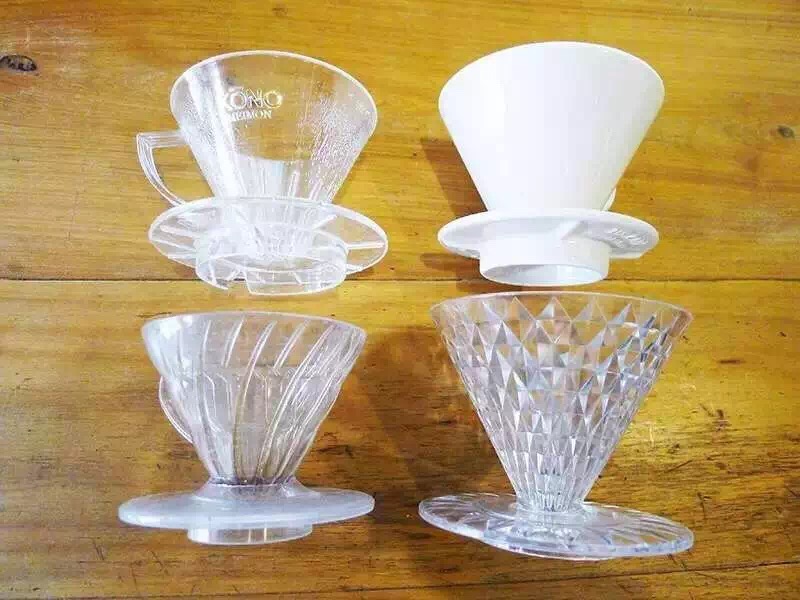
Comparative study on the effect of conical filter cup on coffee brewing
(upper left KONO, upper right UN caf, lower left harioV60-01, lower right Keycoffee diamond filter cup) has always wanted to carefully compare the differences between the various filter cups, we originally planned to compare all the filter cups, but it was a bit far-fetched to remember that the difference was too big in the same cooking environment, so we finally decided to compare the filter cups with the same cone shape. The operation of this experiment
2015-08-18 Cone filter cup coffee brewing effect contrast inquiry top left KONO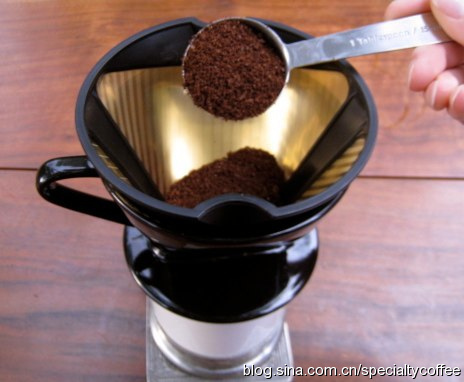
The ratio of coffee to water when brewing coffee. The American SCAA Fine Coffee Association sets the brewing ratio.
(figure Source: google) Standard brewing ratio (Standard Brewing Ratio) number of cups of coffee Cups of Coffee the amount of coffee used by COFFEE TO BE USED WATER TO BE USED by weight BY WEIGHT gauges BY MEASURE ounces Ounces grams Grams teaspoons Tea Spoons spoons Table Spoons cups Cups coffee liquid
2016-01-22 Brewing coffee and water proportion USA SCAA boutique association formulation brewing
Introduction to the methods and steps of making coffee
Grind the coffee beans ~ put the beans in the coffee bean grinder ~ calculate the amount according to the number of people drinking ~ the coffee machine should have a measuring spoon ~ one spoonful of beans to boil a cup ~ no more than 4 cups ~ otherwise it will not be so fragrant ~ coffee filter paper open ~ put into coffee machine filter ~ coffee filter paper can slow down coffee filter speed ~ make coffee more fragrant and purer ~ and then put the ground coffee powder into the coffee filter. In the coffee machine.
2016-06-12 Coffee production method steps introduction grinding coffee beans beans put in the machine
Island Coffee Bean Papua New Guinea Coffee How to describe Coffee Cloth Powder Coffee Net
The 1975 frost destroyed most of Brazil's coffee crop, but spurred coffee growth in Papua New Guinea. The Government has introduced a scheme to finance the creation of coffee plantations of approximately 20 hectares by rural or collective landowners. This measure has indeed increased the penetration of coffee cultivation into the local economy, resulting in an increase in annual coffee production. Papua New Guinea
2016-04-19 island coffee beans Papua New Guinea coffee how description cloth powder
Introduction to the methods and steps of making coffee
Grind the coffee beans ~ put the beans in the coffee bean grinder ~ calculate the amount according to the number of people drinking ~ the coffee machine should have a measuring spoon ~ one spoonful of beans to boil a cup ~ no more than 4 cups ~ otherwise it will not be so fragrant ~ coffee filter paper open ~ put into coffee machine filter ~ coffee filter paper can slow down coffee filter speed ~ make coffee more fragrant and purer ~ and then put the ground coffee powder into the coffee filter. In the coffee machine.
2016-06-07 Coffee production method steps introduction grinding coffee beans beans put in the machine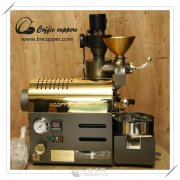
Coffee Roasting Hot Air Roaster
Coffee roasting refers to the heating of raw beans to convert starch in raw beans into sugar and acidic substances at high temperature. Cellulose and other substances will be carbonized to varying degrees. Moisture and carbon dioxide will volatilize. Protein will be converted into enzymes and fats. The remaining substances will combine together to form an oil film layer on the surface of coffee beans. In the process, coffee acids will be generated.
2014-08-20 Coffee knowledge Coffee roasting Hot air roaster
Introduction of Rwanda coffee beans Rwanda coffee beans Rwanda coffee beans
Global coffee producing area-since the 1920s, Rwanda Arabica coffee grown in Rwanda has been famous for its unique fruit sweetness and rich grass aroma. In recent years, the government of Rwanda has taken positive measures to vigorously promote coffee production, set up coffee production cooperatives in various places, and give technical guidance and financial support to farmers, so that coffee production can be achieved.
2016-03-18 Rwanda coffee coffee beans introduction global origin last world
Professional Coffee Roasting Coffee Roasting Degree Resolution Chart SCAA Roasting Degree Scale
American Coffee Association (SCAA) Roast Degree Standard This standard uses infrared caramelization tester technology (Agtron) to measure the color of coffee beans to determine the degree of roasting of coffee, and the color from light to dark into eight equal parts made of eight standard color blocks for the coffee industry as roasting identification. The above colors are for reference only. They are distinguished by the degree of roasting preferred by each country. This is also coffee roasting.
2016-04-28 Professional Coffee Roast Distinguish Chart USA Association SCAA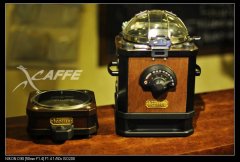
Cooling disk of Korean ICOFFEE N901CR roaster
Introduce the optional cooling plate, which corresponds to the maximum baking capacity of 150g of the machine. It is measured that 120g of beans with relatively large mesh will be full. 150g seems to be a little reluctant, and the cooling time of 120g is about 2 minutes. The cooling effect is good. The price of the optional cooling plate is higher, and I think the performance price is relatively low. Buy a large cpu+ screen fan to make a cooling plate.
2015-07-06 Korea ICOFFEE N901CR roaster cooling introduction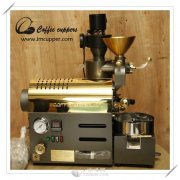
Coffee bean roasting technology hot air roaster
Coffee roasting (coffee roasting) means that through heating raw beans, starch in raw beans is converted into sugars and acids at high temperature, substances such as cellulose will be carbonized to varying degrees, water and carbon dioxide will be volatilized, proteins will be converted into enzymes and fats, and the remaining substances will be combined to form an oil film on the surface of coffee beans, and in the process coffee acids will be formed.
2015-01-08 Coffee beans roasting technology hot air roaster coffee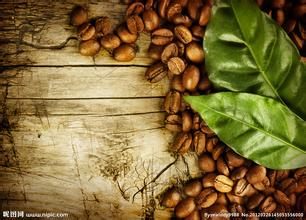
The origin of Rwanda coffee beans fine coffee
Since the 1920s, Arabica coffee grown in Rwanda has been famous for its unique fruit sweetness and rich grass aroma. In recent years, the Rwandan government has taken positive measures to vigorously promote coffee production, set up coffee production cooperatives in various places, and give technical guidance and financial support to farmers, so that coffee production has made considerable progress. University of Rwanda
2016-05-10 Rwanda coffee beans origin boutique coffee last century 1920s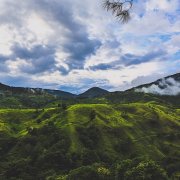
The port of Mocha in Yemen is transported to the Reunion single Coffee Manor.
In 1715, the first coffee trees (about 40) were transported from the Yemeni port of Moka to La Runion, but unfortunately only two survived. By 1719, coffee plantations had flourished and sold the first coffee beans. Over the next few years, the government adopted a rigid measure: residents of the island, whether black or white, had to plant 10% a year.
2016-05-31 Yemen Mocha Transport Reunion individual Coffee Manor 1715