“length of time” search results (700)
Espresso extraction time and area the most standard time and pressure of espresso extraction
In this article, I will talk about how to increase and decrease the amount of coffee at the theoretical level.
2016-01-18 Italian concentrated Coffee extract time area Standard pressure
Turkish coffee divination
Turks drink coffee, the residue is not filtered out, because the coffee powder is ground very fine, so when tasting, most of the coffee powder will precipitate at the bottom of the cup. General coffee can not be used for divination, because coffee divination is mainly after drinking coffee, with the remaining residue, shape or pattern to predict good or bad luck, so only Turkish coffee can be used.
2014-05-21 Coffee culture Turkish coffee coffee divination
Coffee cup design several ingenious coffee cups
This coffee cup always reminds you that it is not easy to get up. When espresso doesn't work, greeting your fists with your face can have an immediate effect. Twist bubble mug Dunk Mug shot mug Camera Zoom Length Mug this is a pioneer design work, not a real mug. Starbucks sweater mug Starbuck Sweater Mug Ben mug makes
2015-07-20 Coffee cup design several ingenuity coffee cup moment reminder get up by no means
Introduction to Hope Manor, the main variety of Colombian coffee
One: it is said to come from the sea island of the Caribbean and from El Salvador in Central America. Second: in 1808, a priest introduced coffee beans to Colombia for the first time from the French Antilles via Venezuela. One of them is that Colombia's first coffee seeds were imported from Venezuela through the province of Santander. [1] third: the earliest coffee cultivation in Colombia
2016-07-11 Colombia coffee main variety small grain introduction hope manor one of them according to
Boutique coffee common sense coffee raw beans the difference between new beans and old beans
After dry and wet processing, coffee fruit becomes coffee raw bean (Raw bean/Green bean). The main components of raw beans are: carbohydrates, about 49%; moisture, about 12%; protein. About 11%; chlorogenic acid, about 7.6% alkaloids and trace elements, about 0.4%. According to the length of time, raw beans can be divided into: seasonal beans (Current Cro)
2014-11-11 Coffee knowledge coffee common sense coffee raw beans new beans old beans
Colombian coffee storage method unique flavor
The history of coffee cultivation in Colombia can be traced back to the Spanish colonial era in the 16th century, and there are many theories about the history of coffee in Colombia: one: it is said to come from the island of Haiti in the Caribbean and from El Salvador in Central America. Second: in 1808, a priest introduced coffee beans to Colombia for the first time from the French Antilles via Venezuela. One of them
2016-05-25 Colombia coffee storage method unique flavor cultivation
Colombia Coffee Culture Colombia Coffee History
One: it is said to have come from Haiti in the Caribbean via El Salvador in Central America. Second, coffee beans were first introduced into Colombia in 1808 by a priest from the French Antilles via Venezuela. One of them is that the first coffee seeds from Colombia came from Venezuela through the province of Santander. [1]Third: the earliest coffee cultivation in Colombia
2016-05-26 Colombia Coffee culture Coffee History of development One said to be from Caribbean
Fine coffee Colombian coffee species morphology
The main varieties of Colombian coffee are small grains of coffee. Plants are small trees or large shrubs, 5-8 m tall, usually much branched at base; old branches gray-white, nodes dilated, young branches glabrous, compressed. Leaves thinly leathery, ovate-lanceolate or lanceolate, 6-14 cm long and 3.5-5 cm wide, tip long acuminate, acuminate part 10-15 mm long, base cuneate or slightly obtuse, rarely rounded, entire or
2016-05-26 Boutique Coffee Columbia species Morphology varieties Major
The processing of coffee beans basic knowledge of coffee beans
1. Peeling removes the peel and most of the flesh by mechanical or manual means. two。 Fermentation removes the mucus and film from the core by fermentation. as the length of fermentation time will affect the flavor of coffee, each manufacturer has its own fermentation time. 3. The drying method is mainly divided into natural sun drying and natural air drying. Excessive water content can easily lead to mildew and insect growth of raw coffee beans.
2015-06-06 Coffee beans processing boutique basics common sense peeling utilization machinery manpower methods
Characteristics of Colombian Coffee Flavor Manor
The main varieties of Colombian coffee are small grains of coffee. Plants are small trees or large shrubs, 5-8 m tall, usually much branched at base; old branches gray-white, nodes dilated, young branches glabrous, compressed. Leaves thinly leathery, ovate-lanceolate or lanceolate, 6-14 cm long and 3.5-5 cm wide, tip long acuminate, acuminate part 10-15 mm long, base cuneate or slightly obtuse, rarely rounded, entire or
2016-07-25 Columbia Coffee Flavor Manor producing area characteristics introduction Colombia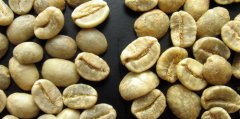
High-quality coffee raw beans: the difference between new beans and old beans
After dry and wet processing, coffee fruit becomes coffee raw bean (Raw bean/Green bean). The main components of raw beans are: carbohydrates, about 49%; moisture, about 12%; protein. About 11%; chlorogenic acid, about 7.6% alkaloids and trace elements, about 0.4%. According to the length of time, raw beans can be divided into: seasonal beans (Current Cro)
2015-06-01 Boutique coffee raw beans new beans old beans fruit pass dry and wet
Make a good cup of coffee
Grinding, warm-up smell for good coffee will not lie, whether a cup of coffee is fresh and mellow, in grinding, has been leaked first. For those who know how to taste coffee, the aroma of coffee in his memory must contain the aroma of coffee floating in the air during grinding. Grind before cooking, stay in the coffee except to fall in love with this fragrance and occupy the whole house.
2014-09-04 Making coffee coffee encyclopedia
Quality of Colombian coffee grade producing area
The history of coffee cultivation in Colombia can be traced back to the Spanish colonial era in the 16th century, and there are many theories about the history of coffee in Colombia: one: it is said to come from the island of Haiti in the Caribbean and from El Salvador in Central America. Second: in 1808, a priest introduced coffee beans to Colombia for the first time from the French Antilles via Venezuela. One of them
2016-05-27 Colombia Coffee Grade Origin quality cultivation History
Columbia Coffee Coca Cauca producing area with unique sour and mellow taste
The earliest record of coffee cultivation in Colombia appears in a book called The Illustrated Orinoca by Spanish missionary Jose Gumilla. He describes what he saw when he preached on both sides of the Meta River in 1730, in which he mentioned the local coffee plantation. By 1787, other missionaries had spread coffee to other parts of Colombia.
2016-06-30 Unique sour mellow Columbia Coffee Coca Cauca producing area Guan
Coffee culture Turkish coffee divination
Turks drink coffee, the residue is not filtered out, because the coffee powder is ground very fine, so when tasting, most of the coffee powder will precipitate at the bottom of the cup. General coffee can not be used for divination, because coffee divination is mainly after drinking coffee, with the remaining residue, shape or pattern to predict good or bad luck, so only Turkish coffee can be used.
2014-10-08 Coffee culture Turkish coffee divination coffee encyclopedia
Coffee raw beans: the main components of raw beans between new beans and old beans
After dry and wet processing, coffee fruit becomes coffee raw bean (Raw bean/Green bean). The main components of raw beans are: carbohydrates, about 49%; moisture, about 12%; protein. About 11%; chlorogenic acid, about 7.6% alkaloids and trace elements, about 0.4%. According to the length of time, raw beans can be divided into: seasonal beans (Current Cro)
2015-09-15 Coffee raw beans new beans old beans mainly coffee fruit after
Sweet Colombia Arabica Flavor Description Grind Variety Description
Colombia coffee varieties are mainly small coffee. Plants are small trees or large shrubs, 5-8 meters high, usually multi-branched at the base; old branches are gray, nodes expand, young branches glabrous, compressed. Leaves thinly leathery, ovate-lanceolate or lanceolate, 6-14 cm long, 3. 5 -5 cm wide, apex long acuminate, acuminate part 10-15 mm long, base cuneate or slightly obtuse, rarely rounded, entire or rounded
2016-10-09 Sweet Colombia Arabica Coffee Flavor Description Ground Variety Region Special
Original design of special Italian coffee cup fancy coffee ceramic cup
This coffee cup always reminds you that it is not easy to get up. When espresso doesn't work, greeting your fists with your face can have an immediate effect. Twist bubble mug Dunk Mug shot mug Camera Zoom Length Mug this is a pioneer design work, not a real mug. Starbucks sweater mug Starbuck Sweater Mug Ben mug makes
2015-10-19 Ingenuity design other Italian coffee cup fancy coffee porcelain cup
Rich flavor of Colombian coffee the characteristics of Santa Rita Manor are introduced.
One: it is said to come from the sea island of the Caribbean and from El Salvador in Central America. Second: in 1808, a priest introduced coffee beans to Colombia for the first time from the French Antilles via Venezuela. One of them is that Colombia's first coffee seeds were imported from Venezuela through the province of Santander. [1] third: the earliest coffee cultivation in Colombia
2016-08-08 Aroma rich Columbia coffee flavor taste manor producing area characteristics introduction
The technology of high-quality coffee beans the processing of coffee beans
1. Peeling removes the peel and most of the flesh by mechanical or manual means. two。 Fermentation removes the mucus and film from the core by fermentation. as the length of fermentation time will affect the flavor of coffee, each manufacturer has its own fermentation time. 3. The drying method is mainly divided into natural sun drying and natural air drying. Excessive water content can easily lead to mildew and insect growth of raw coffee beans.
2014-10-17 Coffee knowledge coffee technology coffee bean processing