“jury” search results (80)

Perennial low temperature coffee growing environment Bolivia coffee producing country
Takesi Manor, drinking water and coffee after harvest treatment, using alpine melting cold snow landscape, so we give her a nickname: Takesi Snow vein Manor; in addition to low temperature, pollution-free environment, fertile and well-drained volcanic soil, is also an element of coffee flavor, although the owner of Agrotakesi SA is rich, but deep respect for nature and the way to get along, but
2016-06-17 Perennial low temperature coffee cultivation environment Bolivia producing country Takesi
Introduction to the producing area of Bolivian Coffee Manor
Osher cup test report (in the middle of an explosion, baking time 12 minutes) dry fragrance: various flowers, sweet vanilla, full aroma, sweet spices, wet honey: floral, refreshing perfume, sweet chocolate, berry sipping: many kinds of floral aroma, excellent cleanliness and fineness, high vanilla sweetness, delicate sugar, peach, apricot, sour and sweet, premium Burgundy red wine, fragrance
2016-06-08 Bolivia Coffee Manor producing area introduction Osher Cup report explosion Middle
Bolivian Coffee Flavor Taste Manor Introduction Bolivian Fine Coffee Beans Bolivian Coffee Beans
Remember that the 2007 winner is the coffee flower manor, her score was overtaken by the 2008 champion Caf de Cordillera, when the international jury gave a high score of 92.03, Takesi snow vein manor in 2009 received a score of 93.36, surpassing the 2008 champion, while bidding price as high as 35.05 US dollars, CoE countries competition, the first high standard in 2009! Osher 3 consecutive years
2016-07-22 Bolivia Coffee Flavor Taste Manor Introduction Boutique Coffee Bean Remember
Bolivian Coffee Flavor Manor area introduces Bolivian boutique coffee beans
Comparable to the Hama Cooperative in Yegashev, the aroma of the two is equally remarkable, but the difference is that Takesi has a continuous Bolivian champion flavor, with a variety of flowers and sweet vanilla, which is particularly outstanding and unforgettable. Takesi Manor, the treatment of drinking water and coffee after harvest, uses ice-cold mountains and rivers that melt high mountains, so we give her a nickname: Takesi Snow vein.
2016-07-19 Bolivia coffee flavor manor producing area introduction boutique coffee beans
The main coffee producing areas in Bolivia introduce Bolivian coffee estates and Bolivian coffee beans.
Takesi Manor, drinking water and coffee after harvest treatment, using alpine melting cold snow landscape, so we give her a nickname: Takesi Snow vein Manor; in addition to low temperature, pollution-free environment, fertile and well-drained volcanic soil, is also an element of coffee flavor, although the owner of Agrotakesi SA is rich, but deep respect for nature and the way to get along, but
2016-07-27 Bolivia coffee main producing area introduction manor flavor coffee beans
Introduction to the Origin and Flavor of Bolivian Coffee beans in Bolivia Coffee producing area
Takesi Manor, drinking water and coffee after harvest treatment, using alpine melting cold snow landscape, so we give her a nickname: Takesi Snow vein Manor; in addition to low temperature, pollution-free environment, fertile and well-drained volcanic soil, is also an element of coffee flavor, although the owner of Agrotakesi SA is rich, but deep respect for nature and the way to get along, but
2016-07-21 Bolivia Coffee producing area Coffee beans Origin Flavor introduction Takesi
Characteristics of taste and flavor in Bolivian areas
Bolivia, located on the southeast side of Peru, is an alpine country. La Paz (capital) is 3660 meters above sea level. Coffee cannot be grown in such a cold place. But YUNGAS, northeast of La Paz, borders the Amazon basin. The altitude is a little lower. About 1500-2500 meters. The average annual temperature is about 10-15 degrees without frost damage in winter. The fertile soil is characteristic of the main coffee producing areas in Bolivia. America
2016-06-12 Bolivia producing area taste flavor characteristics like this description located in Peru south
Characteristics and introduction of Bolivian coffee beans
Bolivia's high-quality estates, very high altitude, perennial low-temperature environment, so that coffee fruit growth is slow, tight enough, aroma is also charming, floral flavor is obvious, such as careful treatment, cherries with the same maturity, often have a clean and meticulous high-end taste, this elegant vanilla and honey aroma is very attractive, this champion bean has a very diverse floral aroma, vanilla and sweet very long-lasting Takesi
2016-06-12 Bolivia coffee beans characteristics introduction quality manor altitude non-
A country of mountains. Bolivian coffee growing area in La Paz
Bolivia is described as a country of mountains, southeast of Peru. La Paz is 3660 meters above sea level. Coffee cann't grow in this cold. But YUNGAS, northeast of La Paz, borders the Amazon basin. The altitude is slightly lower. About 1500-2500 meters. The average annual temperature is about 10-15 degrees and there is no frost damage in winter. Fertile soil is characteristic of Bolivia's main coffee-producing area
2016-06-27 Alpine Country La Paz Capital Bolivia Coffee Region Presentation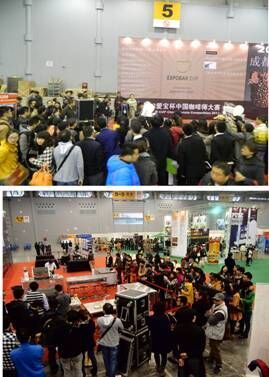
The 2015 Aibao Cup barista contest was successfully held in Zhengzhou.
At the Zhengzhou station of the 2015 Aibao Cup barista contest, more than 30 baristas will be selected from well-known cafes and bakeries to compete on the stage, and will be unveiled at the eighth Zhengzhou Bakery Exhibition on June 5-7 to gather at Zhengzhou International Convention and Exhibition Center for wonderful events. According to statistics, bakeries and bakeries are constantly upgrading, adding special rest areas and beverage areas, and transforming the trend of comprehensive light meals; at the same time, drinking
2015-05-13 2015 Aibao coffee contest Zhengzhou success held
Introduction to Bolivian Coffee Manor, producing area of Alpine country Coffee
This is the description of Bolivian coffee; Bolivia, located on the southeast side of Peru, is. La Paz (capital) is 3660 meters above sea level. Coffee cannot be grown in such a cold place. But YUNGAS, northeast of La Paz, borders the Amazon basin. The altitude is a little lower. About 1500-2500 meters. The average annual temperature is about 10-15 degrees without frost damage in winter. The fertile soil is characteristic of the main coffee producing areas in Bolivia. America
2016-06-18 Alpine country Coffee Origin Bolivia Manor introduction so
Introduction to the Blood Manor of the Coffee producing country of Bolivia
In boutique coffee, this is the description of Bolivian coffee; Bolivia, located on the southeast side of Peru, is an alpine country. La Paz (capital) is 3660 meters above sea level. Coffee cannot be grown in such a cold place. But YUNGAS, northeast of La Paz, borders the Amazon basin. The altitude is a little lower. About 1500-2500 meters. The average annual temperature is about 10-15 degrees without frost damage in winter. The fertile soil is Bolivia.
2016-06-17 Alpine country Bolivia coffee producing country blood manor introduction boutique
Introduction to the flavor description method of Bolivian snow vein manor coffee with a very long-lasting sweet taste.
Takesi Manor, drinking water and coffee after harvest treatment, using alpine melting cold snow landscape, so we give her a nickname: Takesi Snow vein Manor; in addition to low temperature, pollution-free environment, fertile and well-drained volcanic soil, is also an element of coffee flavor, although the owner of Agrotakesi SA is rich, but deep respect for nature and the way to get along, but
2016-10-07 Honey sweet very long-lasting Bolivia snow vein manor coffee flavor description place
Treatment of coffee beans in manors in Bolivian coffee bean producing areas
This is the description of Bolivian coffee; Bolivia, located on the southeast side of Peru, is an alpine country. La Paz (capital) is 3660 meters above sea level. Coffee cannot be grown in such a cold place. But YUNGAS, northeast of La Paz, borders the Amazon basin. The altitude is a little lower. About 1500-2500 meters. The average annual temperature is about 10-15 degrees without frost damage in winter. Fertile soil is a special feature of the main coffee producing areas in Bolivia.
2016-06-05 Bolivia coffee beans producing areas manors treatment way like this description
Taste of Bolivian Coffee Manor Yongas, northeast of La Paz, snow vein manor
This is the description of Bolivian coffee; Bolivia, located on the southeast side of Peru, is an alpine country. La Paz (capital) is 3660 meters above sea level. Coffee cannot be grown in such a cold place. But YUNGAS, northeast of La Paz, borders the Amazon basin. The altitude is a little lower. About 1500-2500 meters. The average annual temperature is about 10-15 degrees without frost damage in winter. Fertile soil is a special feature of the main coffee producing areas in Bolivia.
2016-07-12 Bolivia Coffee Manor producing area Flavor palate introduction Snow vein La Paz
Bolivian coffee flavor what coffee beans are used for hand-brewed coffee
In boutique coffee, this is the description of Bolivian coffee; Bolivia, located on the southeast side of Peru, is an alpine country. La Paz (capital) is 3660 meters above sea level. Coffee cannot be grown in such a cold place. But YUNGAS, northeast of La Paz, borders the Amazon basin. The altitude is a little lower. About 1500-2500 meters. The average annual temperature is about 10-15 degrees without frost damage in winter. The fertile soil is Bolivia.
2016-06-05 Bolivia coffee flavor hand brewing what coffee beans boutique learning
There are bright sour berries. Introduction to Bolivian coffee with almond flavor and hazelnut sweetness
In boutique coffee, this is the description of Bolivian coffee; Bolivia, located on the southeast side of Peru, is an alpine country. La Paz (capital) is 3660 meters above sea level. Coffee cannot be grown in such a cold place. But YUNGAS, northeast of La Paz, borders the Amazon basin. The altitude is a little lower. About 1500-2500 meters. The average annual temperature is about 10-15 degrees without frost damage in winter. The fertile soil is Bolivia.
2016-06-23 Bright sour almond hazelnut fragrant Bolivia coffee introduction boutique
Italian coffee machine uses regular cleaning coffee machine to brew head
One of the questions often asked in the coffee industry is how often should I clean the coffee machine? The answers are varied, some say once a day, others say once a week, and still others say according to the amount of coffee. But does anyone really know the answer to this question? None of these answers is supported by public research. In order to answer this question, the author conducted an experiment to study the meaning.
2015-01-23 Italian coffee maker use regular cleaning brewing coffee business often asked
Introduction of Bolivian Coffee Manor Yongas, northeast of La Paz
The coffee had better not be reheated. When cooking, you should pay attention to only the amount needed for each cooking, and it is best to drink it when it is just cooked. The best drinking temperature for coffee is 85 degrees Celsius. In boutique coffee, this is the description of Bolivian coffee; Bolivia, located on the southeast side of Peru, is an alpine country. La Paz (capital) is 3660 meters above sea level. Coffee cannot be grown in such a cold place. But pull
2016-07-15 Bolivia Coffee Manor producing area introduction Snow vein La Paz Northeast Garth
Introduction to the roasting degree of high-quality coffee beans in Bolivia
The advantage of Bolivian coffee lies in its high altitude and excellent varieties of coffee, where the traditional Tibica and a small amount of Kaddura are highly valued in the world market. In the past, coffee trees in Bolivia used to act as hedges and ornaments around the garden. Real commercial production began in the early 1950s. The great frost in 1957 seriously damaged Pakistan.
2016-09-23 Bolivia coffee aroma description producing area characteristics boutique coffee beans introduction