“in nature” search results (17000)
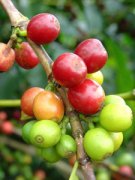
Brazilian coffee beans processing Brazilian coffee green beans wholesale coffee beans American coffee beans
The four most common treatments for Brazilian coffee are sun, desizing, half-washing and washing, with sun being the most popular. Since the harvest seasons of Cerrado Mineiro and Mogiana Paulista, Brazil's two main producing areas, are both dry seasons of the year, natural solarization is common in this area.
2016-07-08 Brazil coffee beans processing way coffee green beans wholesale America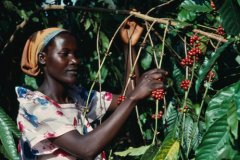
East African organic boutique manor coffee beans
When you think of non-coffee, you can imagine that it grows in a polluted natural environment. It is well known that the coffee here has a natural aroma of flowers and fruit, has a very clear degree of discrimination, and is also a characteristic given by nature.
2014-08-22 Coffee knowledge East African coffee beans boutique manor coffee beans
Brazilian half-sun-natural removal of pectin
Brazil used to use the method of tanning in the past, and there was a big difference in quality, which made Brazil Chongqing synonymous with low-to-middle quality. However, in order to improve its quality and reverse its image, the world's largest coffee producer carried out a quality revolution in the 1990s and vigorously promoted the global half-sun method. Brazilian coffee fields are endless and are mostly harvested mechanically in order to meet the economic benefits. When 75% of the coffee fruit in the coffee garden
2014-08-07 Western style solarization nature removal pectin Brazil past habitual
Take a book, a cup of coffee, Rubik's cube dream 250 flat aerobic coffee bar design!
Take a book, sip a cup of coffee; or whisper with your loved ones, girlfriends; or have an intimate contact with the plan, in this Rubik's Cube world, you melt into me, I release O2 for you; let everything return to the original beauty, including yourself, and that original dream. This case is a coffee bar, with O2 is her shining point. The color of young logs is matched with quietly growing green plants, simple and
2015-12-24 book cup of coffee cube dream 250 aerobic design cup
East Timor coffee natural organic coffee beans
East Timorese Coffee Natural Organic Coffee beans the most famous in East Timor is organic coffee, which is interestingly related to the deterioration of law and order in the independence movement, as chemical fertilizers and pesticides cannot be transported to remote coffee fields. Coffee farmers rarely spray pesticides and grow all of them with natural organic fertilizers. Statistics also show that the export volume of Arabica organic coffee in East Timor is higher than that of Elaraby who sprayed pesticides.
2014-07-22 Organic coffee beans price of organic coffee beans East Timor coffee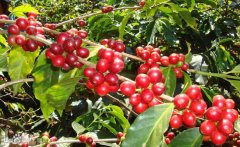
Brazilian coffee green beans processing technology American coffee beans honey processing commercial Brazilian beans green beans
The four most common treatments for Brazilian coffee are sun, desizing, half-washing and washing, with sun being the most popular. Since the harvest seasons of Cerrado Mineiro and Mogiana Paulista, Brazil's two main producing areas, are both dry seasons of the year, natural solarization is common in this area.
2016-06-28 Brazil Coffee Green beans Processing Craft Americas Coffee beans Commercial
WASH washing treatment H _ 2 honey treatment NATURE sun treatment 90 + treatment
W2, H2, N2: it can be understood as the traditional way of processing raw beans, and 90 + also regards them as the distinction of taste. Ninety Plus thought that coffee itself is a kind of fruit, so he made his own exclusive treatment according to taste (W2), (H2), and (N2). When you understand traditional coffee processing, you will find that a small amount of adjustment can blur the distinction between them. For example, in
2016-07-13 WASH washing treatment NATURE tanning ninety yes understand
Introduction to Santa Cruz Manor in Ecuador Coffee producing area with unique Natural Geography
The best Ecuadorian coffee from the hometown of the giant tortoise is grown on St. Cristobal Island in the Galapagos Islands, which has the natural geographical conditions unique to giving birth to the best quality coffee in the world. A cup of Galapagos coffee, like the beautiful scenery of the Galapagos Islands, is sure to impress you. In the mid-15th century, in western South America
2016-07-11 Yes natural geographical condition Ecuador coffee producing area manor introduction gram
Boutique East Timor coffee natural organic coffee beans
East Timorese Coffee Natural Organic Coffee beans the most famous in East Timor is organic coffee, which is interestingly related to the deterioration of law and order in the independence movement, as chemical fertilizers and pesticides cannot be transported to remote coffee fields. Coffee farmers rarely spray pesticides and grow all of them with natural organic fertilizers. Statistics also show that the export volume of Arabica organic coffee in East Timor is higher than that of Elaraby who sprayed pesticides.
2014-09-17 East Timorese coffee natural organic coffee beans
Alida Manor Elida Natural Pocket (Boquete) Geisha Rose Summer
Cup tester Ken Davids scored a high score of 93 for coffee at Elida Manor in 2012! Elida is also a regular on the bean list of players from all over the world in the World Barista Competition (WBC). It is also common to see contestants use a single Elida to concentrate SOE in the finals of Taiwan's TBC (Taiwan baristas contest) and domestic CBC (Chinese baristas competitions). Be blessed by nature
2016-07-12 Lida Manor Sun Elida Natural Kate Boqu
N ways to give coffee grounds
Natural insect repellent: mixing coffee grounds in potted soil can effectively prevent plant pests and is very environmentally friendly. Natural detergent: mix coffee grounds with detergent to remove stubborn stains from tableware. Coffee grounds have a strong adsorption, and stubborn stains that are usually difficult to scrub off are easily washed off. In addition, coffee grounds can also absorb peculiar smell.
2014-07-10 Coffee knowledge coffee grounds use coffee encyclopedia
Cuban Crystal Mountain Coffee characteristics of Cuban Crystal Mountain Coffee
In 1748, coffee was introduced into Cuba from Domiga, and Cuba began to grow coffee ever since. With fertile land, humid climate and abundant Rain Water, Cuba can be called a natural treasure land for coffee cultivation. The suitable natural conditions provide a favorable natural environment for the growth of coffee trees, and coffee is well planted and developed here. In Cuba, the cultivation of coffee is regulated by the state. The best in Cuba.
2016-08-31 Cuba Crystal Mountain coffee flavor characteristics 1748 Dome introduced
Cubita Cuba Crystal Coffee Mountain Latest News
Coffee was introduced to Cuba from Domiga, and Cuba has since grown coffee. The fertile soil, humid climate and abundant rainfall in Cuba make it a natural treasure for coffee cultivation. Suitable natural conditions provide a favorable natural environment for the growth of coffee trees, where coffee is well planted and developed. In Cuba, coffee cultivation is regulated by the State. The best coffee in Cuba.
2015-11-21 boutique coffee beans Cubita cuba crystal coffee hill latest information
A Korean cafe with baa sheep
Often referred to as the Thank Nature Caf of Sheep Cafe, the selling point is lovely sheep. Here, you can enjoy a cup of coffee leisurely in the company of many sheep. If only appreciation is not enough, you can also get up and have a close contact with the sheep. Thanks to Sheep, Thanks Nature Caf has appeared in many newspapers and media, and it is a Korean variety festival.
2016-05-23 Home has baa Korea cafe often known as coffee shop Thank N
Introduction to the flavor and taste of Ethiopian coffee beans grade classification of Ethiopian Sidamo coffee beans
Ethiopia has unique natural conditions suitable for growing all imaginable varieties of coffee. As a upland crop, Ethiopian coffee beans are mainly grown in areas between 1100 and 2300 meters above sea level, roughly distributed in southern Ethiopia. Deep soil, row
2022-07-22 Yes Tiandu thick natural conditions Ethiopia coffee flavor characteristics mouth
World Coffee Bean Certification What is Organic Coffee Bean? How to properly certify organic coffee beans?
Organic coffee is coffee grown without the use of synthetic pesticides, herbicides or chemical fertilizers. These ways of growing coffee help maintain a healthy environment and keep groundwater pure. After harvesting, be sure to use an organic certified roasting plant to process coffee beans. Organic coffee is coffee beans grown in the shade.
2016-01-04 world coffee beans certified what organic how right coffee is in
Brazilian half-sun details the process of natural pectin removal
Brazil used to use the method of tanning in the past, and there was a big difference in quality, which made Brazil Chongqing synonymous with low-to-middle quality. However, in order to improve its quality and reverse its image, the world's largest coffee producer carried out a quality revolution in the 1990s and vigorously promoted the global half-sun method. Brazilian coffee fields are endless and are mostly harvested mechanically in order to meet the economic benefits. When 75% of the coffee fruit in the coffee garden
2015-05-15 Western style solarization detailed explanation nature removal pectin process Brazil past usage
Good average quality; aromatic and full-bodied Ethiopian coffee plantation taste characteristics
Ethiopian coffee beans grow in a near-natural environment. After years of cultivation under the same growing conditions, Ethiopian coffee beans have gradually adapted to the environment here. More than 60% of coffee beans are forest or semi-forest grown coffee. Coffee farming villages produce about 35 percent of the country's coffee.
2016-09-13 average good quality smell mellow thick ethiopian coffee estate producing area
Treatment of coffee beans Coffee beans treated with honey
We know that the three treatment methods of raw coffee beans can be divided into three types. The distinction between each method is based on the fact that several layers of matter are removed from the fruit before the coffee is dried. The following is a list of the three major processing methods: 1. Natural sun treatment: retain all substances 2. Honey treatment: remove the peel and pulp and retain part or all of the mucous membrane (honey) 3. Washing method
2016-07-22 Coffee beans treatment methods white honey coffee raw beans three we
Indonesian Musk Cat Poop Coffee Flavor Taste Manor Introduction
Civet nature lonely, nocturnal, alert nature, hearing and smell are very sensitive, nocturnal, agile action, sensitive hearing, cunning suspicious nature, so called fox cat. During the day, they hide in shrubs, bushes, tree holes, earth caves and rock caves. They start to move in the morning and dusk. They often feed near forest edges, agricultural land, valleys and even residential areas. After two or three hours, they return to their habitats.
2016-08-31 Flavor Trend Unique Indonesia Musk Cat Coffee Taste Manor Region