“import and export” search results (4000)

Ethiopian Coffee Export Coffee Fine Coffee Kenya Yega Chuefei
Coffee export coffee is Ethiopia's most important export cash crop and the main source of Ethiopia's foreign exchange earnings. Ethiopia's coffee exports account for about 3% of the world market, making it the eighth largest coffee exporter in the world. Coffee exports increased steadily from 58000 tons in 1990 to 110000 tons in 1995-1996 and remained at this level in the following years. two
2016-04-22 Ethel Searle Biya Coffee Export Fine goods Kenya Yega Sheffield
Ethiopian Coffee Manor Flavor Description Grindness Taste Characteristics Boutique Coffee Introduction
Ethiopian coffee grade: Ethiopian washed coffee Yirgacheffe G1 G2 Sidamo (Yirgacheffe, Sidamo) the highest grade is second and third grade (G2, G3), the eastern part of Ethiopia sun processing coffee is mostly fourth or fifth grade (G4, G5). In many cases, fourth-grade coffee is labeled as five-grade in order to reduce taxes. The current classification is not very uniform, there are
2016-10-06 Ethiopia Coffee Manor Flavor Description Grind Taste Characteristics Fine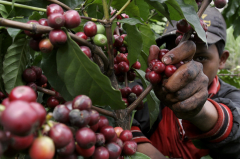
Egyptian beans are named according to origin, coffee beans are classified according to grades, raw beans, coffee beans.
Egyptian beans are named after places of origin and are usually named after provinces. This is a bit like the Bordeaux region of French red wine. Which producing areas are clear to everyone. Note: Chevy is a small producing area in Sidamo Province. Because of its unique flavor, it can become an independent brand. This naming method is very different from that of other African countries (including the hierarchical naming described below), which you often see.
2016-06-19 Egyptian beans origin nomenclature coffee beans grades classification raw beans
Ethiopian coffee plantation flavor taste introduction Ethiopian coffee characteristics
35% of coffee is courtyard coffee. In this coffee garden, the planting is three-dimensional distribution. Coffee sits in the lower layers, in the shade of other crops, to get the right environment to grow. Fertilizer is mainly deciduous, withered grass and animal manure. 5% of coffee is plantation coffee. This is a modern way of growing coffee. Coffee is grown in forests, but new varieties are used and mixed with other trees.
2016-08-04 Ethiopia Coffee Manor Region Flavor Taste Introduction Characteristics 35%
Uganda exports coffee
Uganda, Kenya and Tanzania are the major coffee exporters in Africa and the world. The coffee produced in this region is of good quality and is not only a traditional export product, but also an important source of foreign exchange. Read the material and answer the following questions with relevant knowledge. Material 1 Climate and coffee export tables for Uganda, Kenya and Tanzania annual mean temperature (℃) monthly maximum temperature (℃)
2016-04-21 Uganda exports coffee Kenya Tanzania State Affairs Africa also
Uganda exports coffee
Uganda, Kenya and Tanzania are major coffee exporters in Africa and the world. Coffee produced in this region is of excellent quality and is a traditional export product. It is also an important source of foreign exchange. Read the material and answer the following questions with relevant knowledge. Table 1 Climate and Coffee Export Volume of Uganda, Kenya and Tanzania Annual Average Temperature (℃) Monthly Maximum Temperature (℃)
2016-04-21 Uganda export coffee Kenya Tanzania United States Africa also
Introduction to the grading of Ethiopian Coffee
Sun-cured coffee accounts for 65% of exports. Mainly picked by families, red coffee beans are placed on cement floors or on high tables to dry to about 11.5% humidity, then peeled and cleaned. Coffee grading and quality control system in Ethiopia, coffee grading and quality control system is divided into three levels: producer, regional and national. All coffee is required before leaving the country of origin.
2016-06-12 Ethiopia coffee grading category introduction
Ethiopian Coffee Flavor introduces the characteristics of Ethiopian Coffee
35% of the coffee is courtyard coffee. In this kind of coffee garden, the planting is three-dimensional. Coffee is located in the lower layer and gets a suitable growth environment in the shade of other crops. Fertilizers are mainly fallen leaves, withered grass and animal manure. 5% of the coffee belongs to plantation coffee. This is a modern way of growing coffee, which is also grown in forests, but uses new varieties and works with others.
2016-07-26 Ethiopia coffee flavor introduction characteristics variety 35% belongs to
An introduction to the founding history of IOC International Coffee Organization
125 million people in the world live on coffee, and most of the coffee is produced by small coffee farmers, who work so hard that the world can consume 600 billion cups of coffee a year. Large consumption makes coffee one of the most popular commodities in the world. More than 60 countries mainly produce and trade coffee. These countries rely heavily on coffee exports. According to statistics, there are many countries.
2015-11-26 IOC International Coffee Organization Founding History introduction Global 1.25
In the 1850s, coffee was brought by missionaries to Vivetnam fruit-producing area of Guatemala's fine coffee.
In the 1850s, coffee was brought to Guatemala by missionaries. In the 19th century, with the invention of European synthetic dyes, Guatemala's original important export industry was hit, coffee gradually became an important export, and coffee cultivation gradually expanded. By the end of the 19th century, coffee had played an important role in the politics and economy of Guatemala, and large coffee farmers had a huge influence on the political situation.
2016-04-15 The 8th century the 1950s coffee missionaries brought to Guatemala boutique Viv.
Boutique Coffee discusses the grades of Blue Mountain Coffee
According to the law, only beans produced in the Blue Mountain area can be called Blue Mountain Coffee. High-quality Blue Mountain Coffee is divided into three grades: No. 1 (more than 17cm 18 mesh), No. 2 (16 mesh) and No. 3 (15 mesh), with 17 mesh equivalent to 17x64 inches; their taste (all confirmed by dental sales plus government-approved professional cups) are all the same, but of different sizes.
2014-11-12 Coffee knowledge boutique coffee Blue Mountain Coffee Grade
In the 1850s, coffee was brought by missionaries to Vivetnam fruit-producing area of Guatemala's fine coffee.
In the 1850s, coffee was brought to Guatemala by missionaries. In the 19th century, with the invention of European synthetic dyes, Guatemala's original important export industry was hit, coffee gradually became an important export, and coffee cultivation gradually expanded. By the end of the 19th century, coffee had played an important role in the politics and economy of Guatemala, and large coffee farmers had a huge influence on the political situation.
2016-04-15 The 8th century the 1950s coffee missionaries brought to Guatemala boutique Viv.
Yemeni Coffee
Coffee has been Yemen's traditional export product for hundreds of years and is still one of Yemen's most important cash crops and export products. Statistics show that among Yemen's top 30 exports in 2000, cooked coffee beans, raw coffee beans and coffee shells ranked second, eighth and 21st respectively, with a total value of about 17.5 million US dollars, of which raw coffee is about 12.25 million US dollars
2016-08-31 Yemen coffee presentation centuries has been tradition export
Ethiopian coffee flavor manor area with nut flavor
In Ethiopia, the grading and quality control system of coffee is divided into three levels: producer, regional and national. All coffee is inspected by local inspection agencies before leaving the country of origin, and then re-tested at the coffee inspection and grading centers in Addis and Diredawa to determine its quality grade. Coffee is graded before auction and sale, for all involved in production, acquisition,
2016-07-14 Nuts aroma Ethiopia coffee flavor taste manor producing area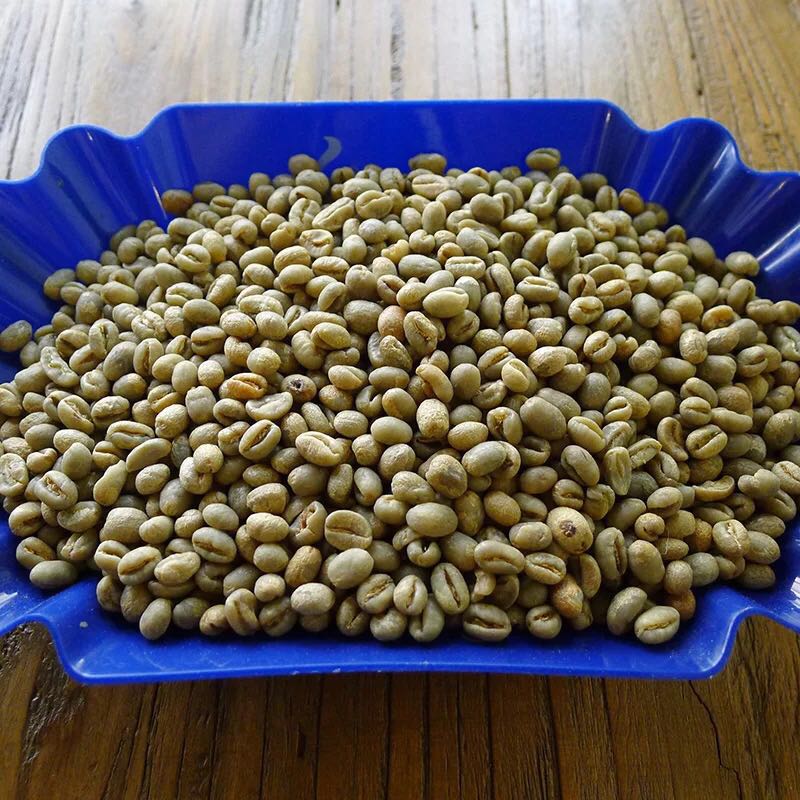
Coffee bean import declaration Shanghai coffee bean import declaration
Tarrazu in Costa Rica is one of the major coffee producing areas in the world. The coffee produced is light and pure in flavor and pleasant in aroma. Costa Rica, with its fertile volcanic soil and good drainage, is the first country in Central America to grow coffee and bananas for commercial value. Coffee and bananas are the country's main exports. In 1729, coffee was introduced from Cuba to Goth.
2016-05-08 Coffee beans Import Customs Declaration Shanghai Costa Rica Tara Tarrazu
On the level of Blue Mountain Coffee
According to the law, only beans produced in the Blue Mountain area can be called Blue Mountain Coffee. High-quality Blue Mountain Coffee is divided into three grades: No. 1 (more than 17cm 18 mesh), No. 2 (16 mesh) and No. 3 (15 mesh), with 17 mesh equivalent to 17x64 inches; their taste (all confirmed by dental sales plus government-approved professional cups) are all the same, but of different sizes.
2014-08-21 Coffee knowledge Blue Mountain Coffee Coffee Grade
Ethiopian Coffee Flavor Flavor Manor introduces Ethiopian Coffee varieties
Washed coffee accounts for 35% of exports. Good quality washed coffee is processed with freshly picked fully ripe fruit, picked carefully and closely monitored by professionals. The picked clean coffee beans are pulped on the day of picking, then fermented, washed, dried and peeled. The humidity of processed coffee beans is kept at about 12%. Sun-cured coffee accounts for 65% of exports. Mainly by
2016-08-01 Ethiopia coffee flavor taste manor producing area introduction variety
The relationship between Kenyan coffee and Arabica coffee beans
In Ethiopia, the grading and quality control system of coffee is divided into three levels: producer, regional and national. All coffee is inspected by local inspection agencies before leaving the country of origin, and then re-tested at the coffee inspection and grading centers in Addis and Diredawa to determine its quality grade. Coffee is graded before auction and sale, for all involved in production, acquisition,
2016-06-13 Ethiopia Yega Sheffield Coffee Kenya Rabbi Coffee beans relationship
Acidity and texture of Ethiopian Fine Coffee Bean Flavor and Taste Manor
35% of the coffee is courtyard coffee. In this kind of coffee garden, the planting is three-dimensional. Coffee is located in the lower layer and gets a suitable growth environment in the shade of other crops. Fertilizers are mainly fallen leaves, withered grass and animal manure. 5% of the coffee belongs to plantation coffee. This is a modern way of growing coffee, which is also grown in forests, but uses new varieties and works with others.
2016-08-05 Acidity texture Ethiopia boutique coffee beans flavor taste manor producing area
History of International Coffee Organization
In the 19th century, coffee became an important commodity in the international trade market. For a long time after that, the coffee market was often in a state of oversupply, low prices, and occasional price increases in short supply, but for a short period of time. During the economic crisis of the 1930s and during World War II (1939-1945), the coffee market supply
2015-03-06 International Coffee Organization History 19th Century International Trade Market Field Cheng