“immigration” search results (1143)

The taste of fresh Hawaiian Kona coffee introduces the origin of Hawaiian coffee.
Kona coffee has always been grown at home. At first, only men were allowed to work in the coffee garden, and later women joined in. This kind of family production of Hawaiians preferred to rely on the efforts of their families rather than hiring workers to work, so it was normal for Hawaiians to have eight or nine children at that time. Since then, there have been new immigrants from the Philippines and the United States.
2016-07-30 Taste fresh Hawaii Kona Coffee Flavor introduction Origin
Coffee flavor and taste in Shaquiso, Ethiopia. Boutique coffee bean estate
Ethiopia is an ancient country with a history of 3000 years of civilization. The Hamite people who immigrated from the southern Arabian Peninsula were the earliest inhabitants. Monlinique I reigned in 975 BC. The Kingdom of Nubia was established in the 8th century BC. From the 1st century to 976 AD, the Ethiopian Empire, also known as the Kingdom of Aksum, was established in Aksum in the north. Christianity was introduced into Ethiopia in the 4th and 5th centuries.
2016-09-22 Ethiopia Shaquiso producing area Coffee Flavor Taste introduction Fine goods
Hawaiian coffee flavor with strong sour taste characteristics of boutique coffee bean manor
Kona coffee has always been grown at home. At first, only men were allowed to work in the coffee garden, and later women joined in. This kind of family production of Hawaiians preferred to rely on the efforts of their families rather than hiring workers to work, so it was normal for Hawaiians to have eight or nine children at that time. Since then, there have been new immigrants from the Philippines and the United States.
2016-09-22 With strong sour Hawaiian coffee flavor taste variety producing area characteristics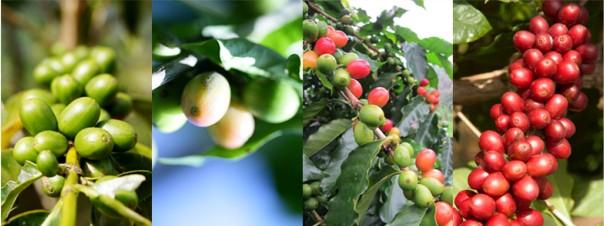
Coffee Network recommends Panamanian Poket boquete Rosa Coffee with 30% Cupid SHB Fine Coffee
From the victorious producing areas of the B.O.P contest! Panamanian coffee originated in 1780, when European immigrants introduced the first Tipica tree species. Located in Central America, with the natural advantages of sunshine, land and mountains, coupled with a sufficient working population, the region is an excellent area for growing and producing high-quality boutique coffee, and it is a paradise for coffee. Especially G from Panama.
2016-03-26 Coffee recommended Panama Pokui boquete Rosa content 30%
Introduction to the difference between American Coffee Taste and Italian style
Simple American coffee is divided into two categories: the east coast of the United States is stronger than the west coast, and the south is stronger than the north. Ethnically speaking, immigrants from southern Europe and Latinos prefer strong coffee to those from Britain, Germany and northern Europe. Americans are dismissive of all kinds of exquisite coffee made by Europeans. Americans drink coffee freely, and coffee goes deep into their lives. It is difficult to separate and influence it.
2016-10-17 American Coffee Taste Flavor description practice Italian style difference introduction
Introduction to the manor of Hawaiian Kona coffee with a slightly sour taste
The planting mode of Kona coffee has always been the family planting mode. At first, only men were allowed to work in the coffee garden, and later women joined in. This kind of family production of Hawaiians preferred to rely on the efforts of their families rather than hiring workers to work, so it was normal for Hawaiians to have eight or nine children at that time. Since then, there have been new immigrants from the Philippines.
2016-07-14 Light sour Hawaii Kona coffee flavor taste producing area manor introduction
Introduction to the flavor and taste characteristics of Puerto Rico boutique coffee bean manor
In Spanish, Puerto Rico means the port of wealth. The history of coffee in Puerto Rico dates back to 1736, when coffee seedlings were brought into the country by early Spanish settlers. In the 18th world, sugar cane was the main economic crop, so little attention was paid to it. At the beginning of the 19th century, the French began to move from the Mediterranean island of Corsica because of European politics.
2016-09-06 Taste aromatic strong Puerto Rico boutique coffee beans manor producing area flavor
An introduction to Hawaiian Kona Coffee that makes people enjoy unique pleasure.
Kona coffee has always been grown at home. At first, only men were allowed to work in the coffee garden, and later women joined in. This kind of family production of Hawaiians preferred to rely on the efforts of their families rather than hiring workers to work, so it was normal for Hawaiians to have eight or nine children at that time. Since then, there have been new immigrants from the Philippines and the United States.
2016-06-29 Let people enjoy unique happy Hawaii Kona coffee introduction
Hawaiian fine coffee with rich aroma Kona coffee flavor Taste Manor Features
Kona coffee has always been grown using the family farming model. At first, only men were allowed to work in coffee gardens, but later women joined in. Hawaiian family production was more dependent on family effort than on hiring workers, so it was normal for Hawaiian families to have eight or nine children. Since then, there have been new immigrants from the Philippines and the United States.
2016-08-10 rich aromatic hawaiian boutique coffee kona flavor taste manor region
Puerto Rico San Pedro Manor Coffee beans
Puerto Rico Puerto Rico San Pedro Manor Coffee beans Puerto Rico's new farm coffee is a mild, supple, well-balanced island bean with a charming single malt aroma, extremely sweet when sipped in a cup, and medium-roasted creamy and greasy texture that is often suitable for Puerto Rico island beans. The whole history of coffee in the Caribbean and Xiban
2014-09-16 Coffee beans at San Pedro Manor Puerto Rico
Starting with coffee beans (15)-- America-- Puerto Rico
In 1736, coffee trees were introduced from Martinique to Puertp Rico. Most of the early coffee was grown by immigrants from Corsica. By 1896, Puerto Rico was the sixth largest exporter of coffee in the world, with most coffee shipped to France, Italy, Spain and Cuba. Coffee farms flourished in the 19th century, but the rise of sugarcane and drug farming
2014-06-12 Coffee beans Puerto Rico America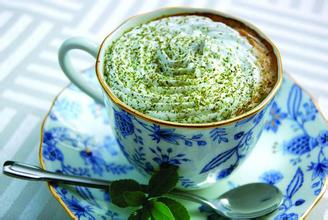
Introduction to the treatment methods of grinding degree for describing the flavor of Puerto Rico coffee varieties in producing areas
Puerto Rico, as a territory outside the territory of the United States, is rarely heard of, and most people may know that it is a tourist resort rich in Miss World. As one of the few island countries in the Caribbean, the country, which the Spaniards call the port of wealth, had a blank history before Columbus discovered the New World. Yaoke Yauco is an area of 176.5 square meters in the south of Poland.
2016-09-28 Puerto Rico Coffee Flavor description Variety producing area characteristics Grinding processing Square
An introduction to the south-central region of Puerto Rico coffee with elegant floral fragrance and delicate acidity
The Caribbean Sea is a warm, romantic and mysterious sea, and a lot of good coffee is also around this ring sea, such as the Blue Mountains of Jamaica, Dominica, Crystal Mountain of Cuba, Yuko of Puerto Rico and so on. These are the most famous rare and expensive coffee in the world. These island beans give people a light smell of milk and elegant flowers, delicate and soft acidity, although it is still difficult to avoid coffee caused by the island's muggy climate.
2016-06-21 Elegant floral sour meticulous soft Puerto Rico coffee south-central producing areas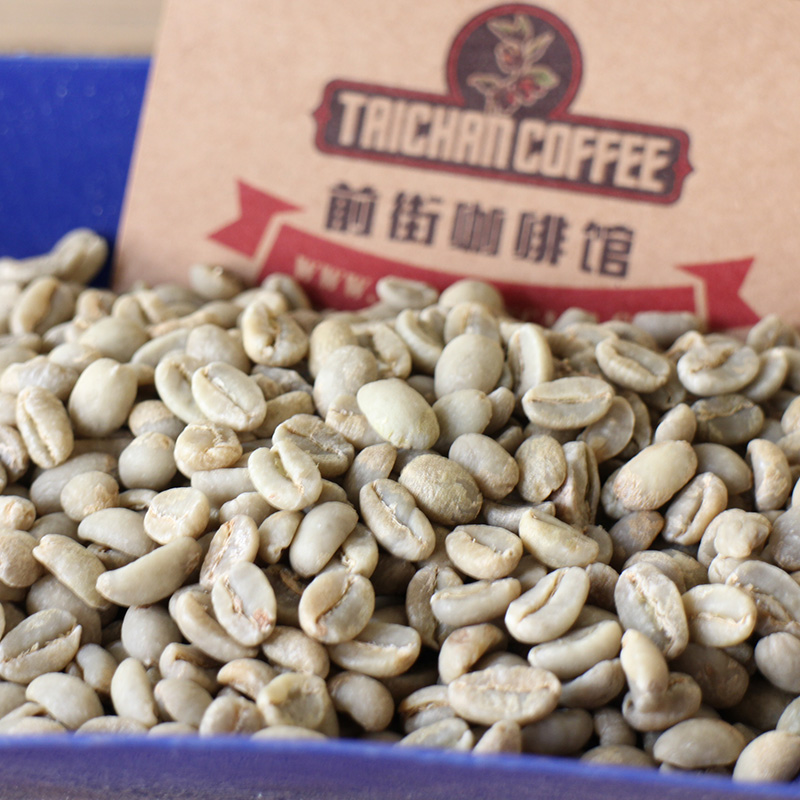
Panama Baru volcano love god Cupid year high altitude raw bean rose summer content 30% Kadu Ekadura
Panamanian coffee originated in 1780, when European immigrants introduced the first Tipica tree species. Located in Central America, with the natural advantages of sunshine, land and mountains, coupled with a sufficient working population, the region is an excellent area for growing and producing high-quality boutique coffee, and it is a paradise for coffee. In particular, the Geisha coffee from Panama has led to the global customs.
2016-04-13 Panama Baru volcano Cupid bit age altitude raw beans roses
There is a light milky aroma and elegant floral aroma, the introduction of Puerto Rican coffee with fine and soft acidity.
The Caribbean Sea is a warm, romantic and mysterious sea, and a lot of good coffee is also around this ring sea, such as the Blue Mountains of Jamaica, Dominica, Crystal Mountain of Cuba, Yuko of Puerto Rico and so on. These are the most famous rare and expensive coffee in the world. These island beans give people a light smell of milk and elegant flowers, delicate and soft acidity, although it is still difficult to avoid coffee caused by the island's muggy climate.
2016-06-22 Light creamy elegant floral sour meticulous soft Puerto Rico coffee
There is a light milky aroma and elegant floral aroma, the introduction of Puerto Rican coffee with fine and soft acidity.
The Caribbean Sea is a warm, romantic and mysterious sea, and a lot of good coffee is also around this ring sea, such as the Blue Mountains of Jamaica, Dominica, Crystal Mountain of Cuba, Yuko of Puerto Rico and so on. These are the most famous rare and expensive coffee in the world. These island beans give people a light smell of milk and elegant flowers, delicate and soft acidity, although it is still difficult to avoid coffee caused by the island's muggy climate.
2016-06-21 Light creamy elegant floral sour meticulous soft Puerto Rico coffee
The flavor and taste of Puerto Rico coffee manor introduce the characteristics of Puerto Rico coffee
In 1736, the first coffee tree was introduced to Puerto Rico from Martinique. Since then, Puerto Rico has become the base for producing the highest quality coffee in the world. The unique taste chosen by Yaocote has also become the object of admiration of coffee experts all over the world. Most of the earliest coffee trees were planted by immigrants from Corsica. About 160 years later, the coffee industry in Puerto Rico has emerged
2016-07-29 Puerto Rico Coffee Manor producing area Flavor palate introduction characteristics 1736
Central American Puerto Rico San Pedro Manor Coffee beans
Puerto Rico Puerto Rico San Pedro Manor Coffee beans Puerto Rico's new farm coffee is a mild, supple, well-balanced island bean with a charming single malt aroma, extremely sweet when sipped in a cup, and medium-roasted creamy and greasy texture that is often suitable for Puerto Rican island beans. The whole history of coffee in the Caribbean and the reclamation of Spain
2014-09-18 Coffee beans from San Pedro Manor Puerto Rico Central America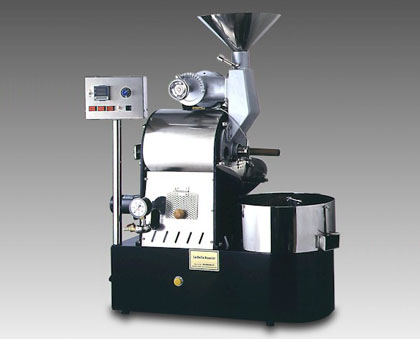
The evolution history of coffee roaster
As early as the 13th century, the Arabs invented to put coffee beans in a pot, stir-fry them with fire, grind them into powder, and then brew coffee. The early Arabs liked to bake the beans shallowly and boil them with spices such as cardamom. Later, this coffee stir-frying method spread to Syria, Turkey and Egypt, where it was used to stir-fry the coffee black, then grind it into powder and add it.
2015-11-17 Coffee roaster evolution history
Aromatic Puerto Rico Manor Coffee Flavor Description Processing Grindness Taste Introduction
Coffee trees were introduced to Puerto Rico from Martinique in 1736. Early coffee was mostly grown by immigrants from Corsica. By 1896, Puerto Rico was the sixth largest coffee exporter in the world, with most going to France, Italy, Spain and Cuba. Coffee plantations flourished in the 19th century, but sugar cane and drug cultivation flourished.
2016-09-29 Aromatic Puerto Rico San Pedro Droz Manor Coffee Flavor Description Handle Square