“history of growing coffee” search results (3000)

A brief history of the origin and development of coffee
Human civilization has driven the development of the coffee industry. After years of baptism, coffee has been brought to all parts of the world.
2014-07-01 Coffee culture coffee origin coffee encyclopedia
World Fine Coffee Manor: Vietnaam Coffee History of Vietnam and introduction of Coffee beans
Today's production power, tomorrow's production giant. Perhaps under the influence of French colonial rule, coffee grown in Vietnam has a French flavor. Arabica coffee was first brought to Vietnam by French missionaries. More than 400,000 coffee trees were introduced to Vietnam from 1865 to 1876 and planted near Tonkin Bay, mostly Java or bourbon varieties. At present, Vietnam's coffee production is increasing.
2015-12-24 World boutique coffee manor Vietnaam Vietnam history reason
From the history of coffee culture
It also caused Islamic drinks to be brought to Christians in Rome, and there are two arguments about whether they agree or not.
2014-06-13 Coffee culture coffee history coffee encyclopedia
The history of the introduction of Chinese coffee culture into China is not long.
The history of the introduction of coffee into China is not long, and it was not until 1884 that coffee was first planted in Taiwan Province. In the mainland of the motherland, the earliest coffee cultivation began in Yunnan. At the beginning of the 20th century, French missionaries brought the first batch of coffee saplings to Binchuan County, Yunnan Province, and began to grow coffee in the mainland. In terms of natural conditions, many parts of our country and
2015-06-09 China Coffee Culture Coffee introduction History short Calendar
Coffee in Zhukula Village, Yunnan Coffee Culture in China
When it comes to the history of Chinese coffee, we have to mention Yunnan Dali Zhukula Coffee, which plays a vital role in the history of Chinese coffee. The ancient coffee forest in Zhukula Village is a unique variety of small-grain coffee in Yunnan. It is very rare and of excellent quality. It can be called a living fossil of Chinese coffee. We went to explore the century-old coffee legend of Zhukula village. Zhu Kula, located in Yunnan Province
2015-07-28 Yunnan Zhukula coffee China coffee culture speaking of China history
History, geography and climate of coffee in Rwanda
Rwandans have been growing coffee since colonial times, but until 1999, its products were still classified as below Class C and were not popular in the global market. The reason for the poor quality is that farmers do not have a fixed procedure for washing coffee beans and do not process coffee fruits according to specifications in time. Buyers buy coffee beans at $0.33 per kilogram, and farmers keep warm by the meagre profits earned at low prices.
2016-05-31 Rwanda Coffee History Geography Climate people colonization Times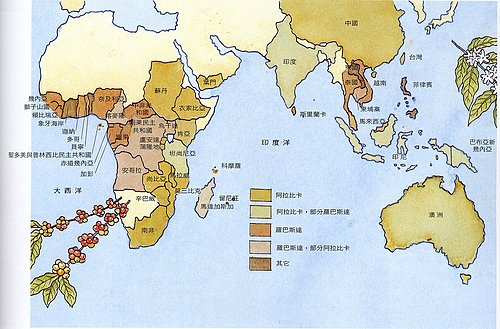
The History of Coffee the Origin of Coffee in China and Coffee Coffee and World European Coffee American Coffee
There are all kinds of legends about the origin of coffee, but most of them are forgotten because of its absurdity. However, people will not forget that Africa is the hometown of coffee. Coffee trees are likely to be found in Ethiopia's KAFFA province. There are all kinds of legends about the origin of coffee, but most of them are forgotten because of its absurdity. But people don't
2016-03-15 Coffee History Origin China World Europe America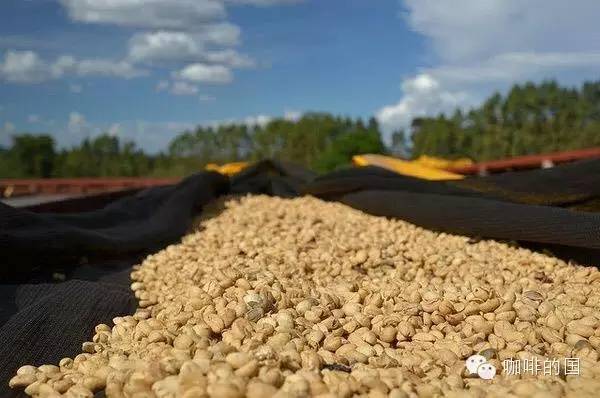
Kenyan coffee Kenyan coffee history Kenyan coffee origin of Kenyan coffee
Kenyan coffee most Kenyan coffee grows at an altitude of 1500 Murray 2100 meters above sea level and is harvested twice a year. Its main feature is a distinct fruit aroma, the common fruit aroma is citrus. Kenyan coffee has a multi-layered taste and juice acidity, perfect grapefruit and wine flavor, moderate mellow, is the favorite of many people in the coffee industry. Kenya Coffee loan
2016-03-22 Kenya coffee history origin multiplicity growing at altitude
Introduction, taste, history and origin of Rosa Coffee
The species of Geisha was discovered in the Rose Summer Forest of Ethiopia in 1931 and sent to the Coffee Institute in Kenya; it was introduced to Uganda and Tanzania in 1936, in Costa Rica in 1953, and Panama was introduced in the 1970s by Francesca of Dongba Seven Farm Garden. Mr. Serraxin got the seeds from CATIE in Costa Rica and started growing Rosa Coffee because
2016-06-02 Rose summer coffee introduction taste history origin rose summer Geisha is in
The Geographic History of Blue Mountain Coffee
In 1717, King Louis XV of France ordered the cultivation of coffee in Jamaica. In the middle of the Blue Mountain Coffee era, the Governor of Jamaica, Sir Nicholas Nicholas Lawes, imported Arabica seeds from Martinique and began to plant them in St. Andrew. To this day, the St. Andrews area is still a dental buyer.
2016-06-05 Blue Mountains coffee geography history
History and geographical location of Jamaican Blue Mountain Coffee
In 1717, King Louis XV of France ordered the cultivation of coffee in Jamaica. In the middle of the 20th century, the Governor of Jamaica, Sir Nicholas Nicholas Lawes, imported Arabica seeds from Martinique and began to plant them in St. Andrew. To this day, St. Andrew
2016-06-03 Jamaica Blue Mountains coffee history geographical location
History of Coffee Culture Development Chronicle of Coffee Development
Memorabilia of the 6th century took place in the Abyssinia Plateau, when a shepherd named Caldai drove goats to the new prairie for grazing, and accidentally found coffee fruit because the goats ate a plant by mistake. At the beginning of the 10th century, Dr. Daggers, a famous doctor in Iraq, admitted and documented the pharmacological effects of coffee. This is one of the earliest valuable medical records of coffee.
2015-03-19 Coffee cultural history development history memorabilia 6th century born in
Introduction of Rosa Fine Coffee History of Rosa Coffee Flavor characteristics of Rosa Coffee
The species of Geisha was discovered in the Rose Summer Forest of Ethiopia in 1931 and sent to the Coffee Institute in Kenya; it was introduced to Uganda and Tanzania in 1936, in Costa Rica in 1953, and Panama was introduced in the 1970s by Francesca of Dongba Seven Farm Garden. Mr. Serraxin got the seeds from CATIE in Costa Rica and started growing Rosa Coffee because
2016-03-30 Rose summer boutique coffee introduction history flavor characteristics rose summer Geisha
Dirkley-- the Father of Coffee trees in Central and South America
In the middle of the 18th century, cafes were opened in major cities in Europe, and the huge demand for coffee led to the popularity of growing coffee in Central America. At present, most of the Tibica coffee trees in Central America are related to the coffee mother tree transplanted by Deckley. In 1777, 19 million coffee trees were planted on Martinique Island alone. Haiti, Puerto Rico and Cuba in the Caribbean followed suit to grow coffee.
2015-04-02 Klee Central and South America Coffee Father of Coffee 18th Century Mid-Mid Cafe all over Europe
Coffee History of Tanzania Coffee Bean producing countries in Africa
The coffee beans are of extraordinary quality and are produced in the Mohi district near Mount Kilimanjaro. The mountain area with a height of 3,000 to 6,000 feet is the most suitable area for growing coffee. Fertile volcanic ash gives the coffee here a strong texture and soft acidity. It exudes delicate aromas and contains aromas of wine and fruit, giving people an aftertaste.
2016-05-24 Tanzania Coffee History Africa Coffee beans producing countries grown with
Cultivation techniques of Coffee History of Botany Coffee roasting
The cultivation technology editor requires that the origin of coffee tree [4] is in Ethiopia in Africa. In botany, coffee trees belong to the evergreen trees of the subgenus Rubiaceae, and coffee beans, commonly known as coffee beans, are actually the seeds of the fruit of coffee trees. They are called coffee beans only because they are shaped like beans. Climate is the decisive factor for coffee cultivation. Coffee trees are only suitable for growing in the tropics or
2016-06-07 Coffee cultivation techniques plants History Baking Editing requirements
The Legend of Coffee in Zhukula Village, Dali, Yunnan Province
When it comes to the history of Chinese coffee, we have to mention Yunnan Dali Zhukula Coffee, which plays a vital role in the history of Chinese coffee. The ancient coffee forest in Zhukula Village is a unique variety of small-grain coffee in Yunnan. It is very rare and of excellent quality. It can be called a living fossil of Chinese coffee. In today's program, we will explore the century-old coffee legend of Zhukula Village. Zhu
2014-09-28 Coffee knowledge Yunnan coffee coffee legend
The History and Culture of Jamaican Blue Mountain Coffee Latitha Manor
In 1717, King Louis XV of France ordered the cultivation of coffee in Jamaica. In the middle of the 20th century, the Governor of Jamaica, Sir Nicholas Nicholas Lawes, imported Arabica seeds from Martinique and began to plant them in St. Andrew. To this day, St. Andrew
2016-06-14 Jamaica Blue Mountain Coffee History and Culture Ratti Manor
Chinese Coffee Culture Coffee Legend of Zhukula Village, Dali, Yunnan Province
When it comes to the history of Chinese coffee, we have to mention Yunnan Dali Zhukula Coffee, which plays a vital role in the history of Chinese coffee. The ancient coffee forest in Zhukula Village is a unique variety of small-grain coffee in Yunnan. It is very rare and of excellent quality. It can be called a living fossil of Chinese coffee. In today's program, we will explore the century-old coffee legend of Zhukula Village. Zhu
2014-11-19 Coffee culture Chinese coffee culture Yunnan coffee coffee legend
History and Culture of Coffee planting in Ethiopia
People in Ethiopia began chewing coffee and spices together in the sixth century, and it was most common for hunters to wrap coffee in bacon as the best dry food, so that they could have enough to eat and have the spirit to hunt. So chewing coffee as a tradition. In the mid-13th century, Ethiopia was already using pans as a tool for roasting coffee, leading the coffee culture.
2016-05-31 Ethiopia coffee cultivation history and culture sixth century people