“hand-pick” search results (355)

Introduction of boutique coffee bean flavor manor in Bolivian coffee producing area
Arabica coffee cannot be grown in cold places above 2000 meters above sea level. if the altitude is too high, coffee trees will frost because the temperature is too low. So Bolivian coffee is mainly grown in the Yungas region northeast of La Paz. It borders the Amazon basin and is about 1500-2500 meters above sea level with an average annual temperature of about 10-15 ℃. Therefore, it ensures the growth of coffee.
2016-07-25 Bolivia coffee producing areas boutique coffee beans flavor taste manor introduction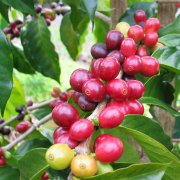
Coffee grading in Kenya
The growth environment of boutique coffee beans also has higher requirements. Generally grow at an altitude of 1500 meters or even more than 2000 meters above sea level, with appropriate precipitation, sunshine, temperature and soil conditions. Some world-famous coffee beans also have a special geographical environment, such as the alpine clouds in the Blue Mountains, the free shade provided by the afternoon clouds in Kona, and the volcanic ash soil in Antigua.
2016-05-23 Kenya coffee grade division boutique coffee beans growth environment also more
Coffee grading in Kenya
The growth environment of boutique coffee beans also has higher requirements. Generally grow at an altitude of 1500 meters or even more than 2000 meters above sea level, with appropriate precipitation, sunshine, temperature and soil conditions. Some world-famous coffee beans also have a special geographical environment, such as the alpine clouds in the Blue Mountains, the free shade provided by the afternoon clouds in Kona, and the volcanic ash soil in Antigua.
2016-05-23 Kenya coffee grade division boutique coffee beans growth environment also more
Introduction to Los Congo Manor, the smallest Coffee growing area in Nicaragua
It is one of the smallest municipalities directly under the Central Government in Nicaragua, covering an area of 106 square kilometers. 90% of the population, 5000 of the residents live in rural areas. Dipilto is famous for its pine forests, warm climate, religion, people's loyalty and its high-quality coffee. Coffee cultivation is one of the traditions maintained by the local people of Dipilto. The fertile soil is full of organic matter, while
2016-07-15 Nicaragua small coffee growing area manor producing area introduction Los Congo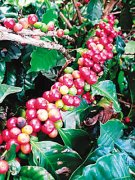
High-quality Arabica coffee beans cater to the needs of gourmet Zimbabwean coffee
The term "fine coffee" was first put forward by Ms. Knudsen of the United States in Coffee and Tea magazine. At that time, Ms. Knudsen, as a coffee buyer at B.C. Ireland in San Francisco, was very dissatisfied with the neglect of the quality of raw coffee in the industry, and even some big roasters mixed a large amount of Robesda beans in the comprehensive beans, so she put forward the concept of boutique coffee.
2016-06-14 High quality Arabian coffee beans pandering gourmet demand Zimbabwe coffee
Introduction to the species of African Bean Coffee Manor in Kenya
Established in 1950, Kenya DORMANS (Berman Manor) is one of the largest coffee producers in Kenya. DORMANS offers the highest international level of Kenyan specialty coffee (Specialty Coffee), 100% Arabica coffee beans from a single producing area, and real gourmet coffee (Gourmet Coffee). Kenyan coffee enjoys a high international reputation because of its excellent quality.
2016-06-15 Africa Kenya coffee manor species introduction D
When does the coffee tree bear fruit?
Coffee trees usually blossom in 3-4 years, about 2-3 months a year, and their appearance and smell are similar to those of jasmine. when they bloom, they grow in clusters on the branches and bloom for 3-5 days. After the flowers bloom, they bear small green fruits, which ripen and turn red into ripe fruits that can be picked after a few months.
2014-09-01 Coffee knowledge coffee bean picking coffee tree planting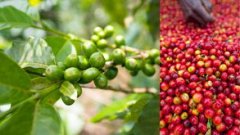
The basic knowledge of coffee the growth process of coffee
The coffee covered with endocarp will be planted in the seedbed (a plastic flowerpot called pot) and will germinate in 40 to 60 days and grow to about 50 centimeters in about 6 months after germination. At this stage, the seedlings are still fragile and must be covered with cold gauze and other things to block direct sunlight. The seedlings blossomed about three years after they were transplanted from the seedbed to the garden. During this period, Central America and others collected by hand.
2015-03-06 Coffee basic knowledge growth process wrapping inner fruit leather coffee seedbed called
Kenyan Coffee growing region Flavor introduction to Kenyan Coffee Origin Fine Coffee
Kenya Coffee growing area the coffee producing areas in Kenya are mainly concentrated in the plateau areas represented by Mount Mt.Kenya. Tropical climate, acid red volcanic soil provides a natural and suitable growth environment for coffee. The seven major producing areas are the most famous, including Nieri, Sika, Chiambu, Geliniya, Ruilu, Mulanga and the western side of Mount Kenya, with major producing areas such as
2016-07-30 Kenya coffee planting region flavor introduction origin taste
There are two varieties of coffee: Arabica and Robusta
At present, the main varieties of coffee grown in the world come from two original varieties: Arabica and Robusta. The planting methods, growth environment and other conditional characteristics of the two are different, and even the caffeine content is quite different.
2014-08-15 Coffee knowledge coffee varieties Arabica Robstein
Hand selection of raw beans
If you have the opportunity to come into contact with baking, you will probably have the opportunity to do the work hand-selected by raw beans. Hand-selected raw beans, commonly known as handpick, simply means to pick out the defects in the raw beans by hand before baking. In the whole life process of coffee, there are many manual picking: manual picking, manual picking of fresh coffee fruit, manual picking of raw beans, manual picking before roasting.
2014-09-03 Hand selection of raw beans
The mode of production of Yejia coffee beans Coffee production industry
Yega's popularity is largely influenced by the trend of boutique coffee since the millennium. Its floral and fruity, citrus flavor sets a typical rebellious flavor. Under the popularity of Italian re-baking, there has never been a sour taste in the definition of coffee, let alone citrus or fruit. Today, together with coffee such as Manning, it has become an entry-level variety for tasting coffee.
2016-06-08 Yega Coffee Coffee beans production methods popular very to a great extent Millennium
Introduction to the characteristics of Bolivian Coffee Flavor and Taste Manor
Arabica coffee cannot be grown in cold places above 2000 meters above sea level. if the altitude is too high, coffee trees will frost because the temperature is too low. So Bolivian coffee is mainly grown in the Yungas region northeast of La Paz. It borders the Amazon basin and is about 1500-2500 meters above sea level with an average annual temperature of about 10-15 ℃. Therefore, it ensures the growth of coffee.
2016-07-25 Bolivia coffee flavor taste manor producing area characteristics introduction coffee beans
Nicaraguan Coffee Flavor Manor introduction to God-sent Manor
Coffee cultivation is one of the traditions maintained by the local people of Dipilto. The fertile soil is full of organic matter, and 1200 meters above sea level provides a pleasant climate, which is very suitable for growing coffee. The average temperature of 20 degrees Celsius and annual rainfall satisfy the growth of Dipilto traditional Arabica coffee. Live in harmony with nature and specialized planting management, resulting in high-quality coffee.
2016-07-14 Nicaragua Coffee Flavor Taste Manor introduction Divine Gift planting D
Introduction to the varieties of Indian coffee beans of slippery, delicious, even-grained coffee
In addition to Karnataka, good coffee is grown in Tellichery and Maral in the southwestern state of Kerala, as well as in Nilgiris in the southeastern state of Tamil Nadu, formerly known as Madras. The best Indian coffee is also classified as
2016-06-17 Greasy delicious granulated uniform coffee India coffee beans species introduction except
Introduction to Ted Manor in Sidamo Coffee area with chocolate aftertaste
From the bean shape, this bean is a typical Ethiopian, small grain, the size is not very uniform, and the color is the characteristic of typical sun treatment, so it is specially compared with Harald to have the most direct grasp of the coffee flavor) to ensure the quality of each batch. Before the harvest season, Trabocca invites selected smallholder organizations / producers to participate in the production of micro-batches of coffee (about 1500
2016-07-14 Chocolate Yuyun Dharma Coffee producing area Ted Manor introduction Bean shape Bean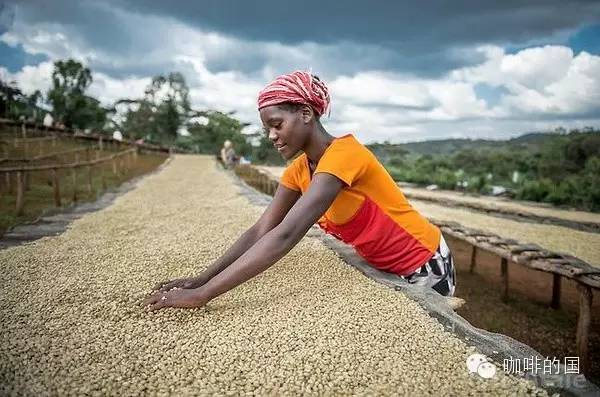
How to make a good cup of coffee recommended Salvador Manor micro-batch washing Pacamara boutique
El Salvador is located in Central America, bordering Guatemala and Honduras in the north and the Pacific coast in the west and south. El Salvador is the smallest country in Central America and the most densely populated in Central America. Although El Salvador has a small territory, it has dozens of volcanoes and is the country with the highest volcanic density in the world. Therefore, it is called the country of volcanoes. whole
2016-03-29 how cup coffee recommendation el estate batch wash paca horse
Indian coffee is slippery and delicious, with even granules.
Consumers are getting used to this, so when steamships shorten the journey time, coffee producers find that consumers still want beans of the same color and taste that are affected by long trips. In order to recreate the flavor of the original coffee, the monsoon process was used. Monsoons occur in southwestern India in May and June every year, so
2016-05-18 India coffee slippery delicious granular even
The harvest method of fine coffee varies from place to place.
The harvest time and method of coffee vary from place to place, generally speaking, once or twice a year (sometimes up to three or four times). The harvest time is mostly in the dry season. In Brazil, for example, around June, it starts in the north-eastern state of Bahia and ends in October in the southern state of Parana. The harvest period of Central American countries is from September to next year.
2014-10-15 Coffee knowledge boutique coffee science coffee picking coffee beans
Coffee is divided into two varieties: Arabica and Robusta Coffee classification Introduction Coffee is divided into
The major coffee varieties grown worldwide today are derived from two original species: arabica and robusta. The planting methods, growth environment and other characteristics of the two are different, and even the caffeine content is also quite different. Since coffee fruits do not ripen at the same time on the same tree, high-quality coffee must be hand-picked. About 75 percent of the world's population
2016-03-16 Coffee Classified Varieties Arabica Robusta Medium