“growing area” search results (9000)
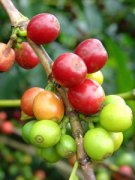
Shakiso Shakisso producing area of Sidamo Guji Manor in Sidamo, Ethiopia
The harvesting method and refining method are adopted. Generally speaking, it is better to adopt manual harvesting method and water washing refining method. A variety of fine coffee. It is better to use Arabica inherent variety Tibica or bourbon variety. Is the altitude, topography, climate, soil and refinement of the cultivated land or farm clear? Generally speaking, the coffee with high altitude is of higher quality, and the fertile volcanic soil is the best soil.
2016-06-30 Ethiopia Dharma Sidamo Guji Manor Shaquiso
How much do you know about the growing conditions and distribution of coffee
Coffee planting conditions and distribution 1. What is coffee? Coffee (Coffee) is derived from the Latin word Coffea (biological word name) and belongs to a member of the Rubiaceae family. These plants are all woody plants, most of which are distributed in the tropics, with more than 500 classifications and about 6000 varieties. Most of the Coffea plants are tropical evergreen bushes 5-6 meters high.
2014-07-30 Coffee planting coffee growing conditions coffee beans
Introduction of highland, tropical climate, acid red volcano Kenya coffee growing area
Kenya Coffee growing area Kenya's coffee producing areas are mainly concentrated in Mount Kenya (Mt. The plateau region represented by Kenya). Tropical climate, acid red volcanic soil provides a natural and suitable growth environment for coffee. The main producing areas are Nyeri and Ruiru in the middle of the country. The Kenyan coffee variety was originally brought to Kenya for cultivation by Bou.
2016-06-24 Original region tropical climate acid red volcano Kenya coffee cultivation zone
Introduction to the growing area of Mantening Coffee
Manning coffee is considered to be the most mellow coffee in the world. When tasting Mantenin, you can feel obvious lubrication on the tip of the tongue and low acidity, but this acidity can also be obviously tasted. Leaping slight acid mixed with the richest aroma, so that you can easily feel the lively factor in the mild fragrance. In addition, this kind of coffee has a light taste.
2016-06-14 Mante coffee origin planting area introduction mante think it is in the world
Effect of altitude on Coffee Flavor
The influence of geographical location on the flavor of coffee beans is profound. All coffee grows in the tropics, and the altitude at which it grows has a profound effect on the taste of coffee.
2014-05-16 Coffee knowledge coffee training
Coffee varieties Coffee growing Coffee harvesting and processing
The weak acid fertile soil under volcanic gestation, obvious dry and wet seasons, high temperature and sufficient precipitation provide excellent conditions for coffee cultivation. Costa Rican coffee is 100% Arabica. In 1989, in a rare move, a national ban on Robusta cultivation was passed, which was extended to boycott cartimor varieties. See more caturra, caturra
2016-05-25 coffee variety planting harvesting treatment volcano incubation acidity fertility soil
Twelve famous high-quality coffee producing areas in the world
two。 The Ethiopian coffee tree originated in Ethiopia (Ethiopia). It was originally a wild plant here, and the name coffee comes from the Ethiopian town of Kaffa. Humans may have known how to grow coffee trees as early as the 9 th century. Almost everyone knows that Jamaica Blue Mountain Coffee is the most expensive coffee in the world. In 1725, Nikolai
2016-06-13 Global famous 12 quality coffee origin
Coffee can't grow without light and shade.
Coffee can not grow without adequate light and, of course, a shady backlight area.
2014-07-15 Coffee knowledge Coffee growth Coffee Encyclopedia
Boutique coffee recommends Hawaiian coffee
Hawaii (Hawaii) after nearly two centuries of efforts to grow coffee, the term Kona is almost synonymous with "quality". Hawaii has superior geographical conditions for growing coffee, but historically, the road to growing coffee has been rugged since coffee trees were first introduced to the island in 1825. Even today, it's beyond human control.
2014-12-18 Boutique coffee recommendation Hawaii after nearly two
Kenyan Coffee growing region Flavor introduction to Kenyan Coffee Origin Fine Coffee
Kenya Coffee growing area the coffee producing areas in Kenya are mainly concentrated in the plateau areas represented by Mount Mt.Kenya. Tropical climate, acid red volcanic soil provides a natural and suitable growth environment for coffee. The seven major producing areas are the most famous, including Nieri, Sika, Chiambu, Geliniya, Ruilu, Mulanga and the western side of Mount Kenya, with major producing areas such as
2016-07-30 Kenya coffee planting region flavor introduction origin taste
Yega Xuefei Coffee growing area, Ethiopia
Yirgacheffe is one of the most unique coffee beans in the world: it has a warm aroma of flowers, lemon, thick acidity but soft and smooth taste. The name Ethiopia Yirgacheffe comes from a variety of coffee. This coffee has a slightly bitter taste in the mouth, but the throat rhyme is sweet.
2016-06-07 Ethiopia Yega Sheffield Coffee growing area Yirga
A richer taste of Guatemala coffee plantations. Flavors and characteristics of the growing environment.
In Guatemala, the region known for producing high-quality beans is the country's highest coffee-growing region, the dry climate of the micro-Tenango region. It is located in a rare non-volcanic area in Central America. The mountains are bumpy and the terrain is very dangerous. Although the elevation is nearly 2000 meters, the warm, dry air blowing from the plains of Mexico protects coffee trees in this area from frost.
2016-08-04 Taste Rich Guatemala Coffee Manor Region Flavor Characteristics Cultivated Ring
Boutique coffee beans recommend Hawaiian coffee
Hawaii (Hawaii) after nearly two centuries of efforts to grow coffee, the term Kona is almost synonymous with "quality". Hawaii has superior geographical conditions for growing coffee, but historically, the road to growing coffee has been rugged since coffee trees were first introduced to the island in 1825. Even today, it's beyond human control.
2015-05-14 Boutique coffee beans recommendation Hawaii coffee
The main coffee growing area in Bolivia is Yungas in the northeast of La Paz.
Bolivia is 1/3 of the Andean mountains, rugged terrain, mainly road transport, accounting for more than 85% of transportation. The main railway and road networks are concentrated in the west, and remote areas rely on air communication. But road coverage is the lowest in South America. And there is also the Ronggas Highway, the world's first insurance road known as the road to death. There is no developed economy here. It is the poorest in South America.
2016-06-30 Bolivia Coffee main growing area La Paz Northeast Garth Yung
The effect of the altitude of coffee planting on the flavor of coffee
The influence of geographical location on the flavor of coffee beans is profound. All coffee grows in the tropics, and the altitude at which it grows has a profound effect on the taste of coffee.
2014-09-02 Coffee knowledge coffee planting altitude coffee flavor influence
The growing area of coffee beans in Bolivia
Bolivia not only has a unique growing environment, but also has an excellent coffee variety Typica. In the past two hundred years, the main variety of coffee in Yanggas area is the ancient Tibica. Tibica coffee has a balanced and soft flavor, with lively aroma and rich sour taste. Unfortunately, the low production of Tibika and its poor disease resistance make Bolivia's
2016-06-15 Bolivia coffee beans cultivation region
Environmental requirements for growing Coffee in Coffee Farm in India
Coffee planting conditions and distribution 1. What is coffee? Coffee (Coffee) is derived from the Latin word Coffea (biological word name) and belongs to a member of the Rubiaceae family. These plants are all woody plants, most of which are distributed in the tropics, with more than 500 classifications and about 6000 varieties. Most of the Coffea plants are tropical 5-6 meters high.
2016-06-15 India coffee manor planting environment requirements conditions distribution
Coffee tree growing environment and species introduction
The environmental conditions suitable for the growth of Arabica coffee trees are that the annual temperature changes between 15 and 25; the annual rainfall is between 1500 and 2000 mm, and it must be able to match the flowering period of coffee trees. In addition, the growth of coffee trees for soil requirements are also very high, if the soil is not fertile enough, containing nutrients, including a variety of trace elements are not enough, it may affect
2016-06-13 coffee growing environment species introduction different rabbi card species
Bolivia Coffee How to taste Growing environment Producing area Price Flavor Description Introduction
Arabica coffee cannot be grown at altitudes higher than 2000 meters, and if the altitude is too high, the coffee trees will freeze due to the low temperature. Bolivian coffee is mainly grown in the Yungas region northeast of La Paz. Bordering the Amazon River basin, it is about 1500-2500 meters above sea level and has an average annual temperature of about 10-15 ° C. Therefore, coffee growth is guaranteed.
2016-09-19 Bolivia coffee taste how grow environment region price flavor
The effect of altitude on Coffee Flavor
The influence of geographical location on the flavor of coffee beans is profound. All coffee grows in the tropics, and the altitude at which it grows has a profound effect on the taste of coffee. The tropical belt extends from 30 degrees north latitude to the equatorial regions of the southern mountains that produce the world's truly high-quality Arabica coffee. Central and South America, South Asia and some Pacific islands, south-central Africa is also the most important in the world.
2015-03-17 Coffee training basics altitude flavor influence geographical location coffee