“grow flowers” search results (3000)

Panamanian Fine Coffee with Citrus and Flower aroma the characteristics of Panamanian Fine Coffee and Manor
The high coffee price in Panama is mainly caused by the following factors: land price: for the people of North America, they are eager to buy a stable and beautiful land at a low price. Panama is such a place; Panama grows more agricultural export coffee in the name of manors to emphasize its own estates; Panamanian labor laws have
2016-08-04 With citrus fragrant Panama boutique coffee flavor taste manor producing area
What weather conditions are required for planting coffee trees
The planting conditions of coffee trees the origin of coffee trees is in Ethiopia, Africa. In botany, coffee trees belong to the evergreen trees of the subgenus Rubiaceae, and coffee beans, commonly known as coffee beans, are the seeds of the fruit of coffee trees, just because they are shaped like beans, so they are called coffee beans. Climate is the decisive factor for coffee cultivation, and coffee trees are only suitable for growing in the tropics or subtropics.
2016-06-13 Planting coffee need have what weather conditions planting
Delicious and balanced Guatemala Antigua Flower God Coffee Flavor description Variety producing area introduction
The coffee beans in each producing area have their own characteristics, and they have won a lot of praise for Guatemala in the international community, especially the perfect coordination of the sour, sweet and mellow texture of Antigua; with a touch of smoke and a little more emphasis on its mystery, you will have a reason not to look for alternatives everywhere after tasting. Here, the slopes of the Sierra Madre volcano are planted
2016-09-29 Delicious balanced Guatemala Antioch Flower God Coffee Flavor description Variety production
Learn the basic concepts of coffee
1. What is coffee (scientific name: Coffea arabica), also known as coffee tree, Arabica coffee, etc., is the national flower of Yemen. Before the 6th century AD, Yemen was called Arabian, so the coffee trees shipped from them to other places were also called Arabian coffee trees. The name coffee comes from the Arabic Qahwah, which means plant drink. Later, coffee spread.
2014-08-05 Coffee knowledge coffee basic knowledge coffee concept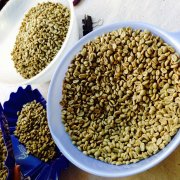
The growing environment of coffee trees evergreen trees of the subgenus Rubiaceae
The formation environment of coffee trees in botany, coffee trees belong to the evergreen trees of the subgenus Rubiaceae, and coffee beans, commonly known as coffee beans, are actually the seeds of the fruit of coffee trees, just because they are shaped like beans, so they are called coffee beans. Climate is the decisive factor for coffee cultivation. Coffee trees are only suitable for growing in the tropics or subtropics, so the zone between latitude 25 degrees south and north is generally called
2015-10-17 Coffee generation environment grasses subgenera evergreen trees green trees coffee
Full of Flower scent of Sidamo-90+Ninety plus Flower language treatment of Ethiopian Sidamo Honey
Ethiopia is the birthplace of coffee. Ethiopian coffee has the same deep cultural accumulation as Chinese tea. Ethiopian coffee is called the coffee of the wilderness, and a cup of Ethiopian coffee can bring you a primitive experience you've never had before. Ethiopia has unique natural conditions suitable for growing all imaginable varieties of coffee. Ethiopian coffee according to the above
2016-04-05 Full of fragrant Dharma 90 percent NinetyMagnePlus Flower language Ethiopia
The planting technology of coffee requirements for planting coffee trees
Coffee fruit contains two seeds, namely coffee beans. The two beans are connected face to face with each other on one side of the plane. Each coffee bean has a thin outer film, which is called silver skin, and its outer layer is covered with a yellow outer skin, called endocarp. The whole coffee bean is wrapped in a sticky pulp to form coffee pulp, which is soft and sweet.
2016-05-24 Coffee planting technology requirements coffee fruit contains two seeds that is
Guatemala Antigua Flower God Coffee Flavor production area characteristics of Fine Coffee beans
The coffee beans in each producing area have their own characteristics, and they have won a lot of praise for Guatemala in the international community, especially the perfect coordination of the sour, sweet and mellow texture of Antigua; with a touch of smoke and a little more emphasis on its mystery, you will have a reason not to look for alternatives everywhere after tasting. Guatemalan coffee beans are mostly cultivated in high-altitude volcanic areas where the soil is the highest.
2016-09-20 Guatemala Antioch Flower God Coffee Flavor Taste producing area characteristics Fine products
Introduction to the characteristics of boutique coffee beans in Guatemala Antigua Flower God Coffee producing area
Antigua coffee from Guatemala must be on the menu of some upscale cafes. People who like it always keep in mind its special smoke smell. Coffee has created prosperity for Guatemala. To this day, coffee still affects the Guatemalan economy. Antigua is the oldest and most beautiful city in America. As early as 1543
2016-09-23 Guatemala Antioch Flower God Coffee Flavor Variety producing area Fine goods Coffee beans
Coffee beans History the birth of coffee beans
The lifetime of a coffee tree takes 3-5 years from planting to fruiting. 6-10 years of coffee trees are the most likely to bear fruit, about 15-20 years, is the harvest period. Coffee trees are usually bred in nurseries and grow into saplings, and then moved to coffee farms a year later, in full compliance with the way the Arabs planted and cultivated coffee trees. Coffee trees will continue to decline in the first four or five years of growth.
2014-09-28 Coffee knowledge coffee bean history coffee bean birth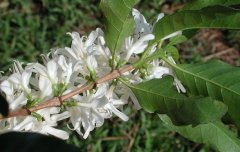
Coffee flower appreciation beautiful coffee flower appreciation
Beautiful coffee flowers: every early spring, milky flowers are covered with branches, set off by the green leaves that hang to the ground, making them more delicate and beautiful. Coffee flowers exude a strong aroma, do not have some amorous feelings, but the flowering period is very short. Several to dozens of flowers are clustered in the axils of leaves, and the second to fifth flowers are planted on a flower axis. The flowers are white and fragrant. The petals of medium and small seeds are generally 5, and the petals of large seeds are generally 5.
2015-06-05 Coffee enjoy bright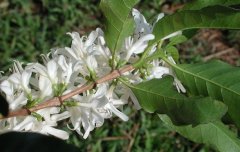
Coffee Encyclopedia Coffee Flower appreciation
Beautiful coffee flowers: every early spring, milky flowers are covered with branches, set off by the green leaves that hang to the ground, making them more delicate and beautiful. Coffee flowers exude a strong aroma, do not have some amorous feelings, but the flowering period is very short. Several to dozens of flowers are clustered in the axils of leaves, and the second to fifth flowers are planted on a flower axis. The flowers are white and fragrant. The petals of medium and small seeds are generally 5, and the petals of large seeds are generally 5.
2014-09-19 Coffee encyclopedia coffee flower appreciation
Introduction to the characteristics of Ethiopian Coffee Flavor and Taste Manor
Although the Ethiopian Yirgacheffe coffee is petite, it is gentle and delicate and sweet. As the hometown of coffee, thousands of years of planting history and processing tradition in Ethiopia have created high-quality washed Arabica beans. Light baking has unique sweet aromas of lemon, flowers and honey, soft acidity and citrus flavors, fresh and bright on the palate. No.
2016-09-06 Honey aroma Ethiopia coffee flavor taste manor producing area characteristics
Introduction to the planting method of Coffee Tree where is the origin of coffee tree
The origin of the coffee tree is Ethiopia in Africa. In botany, coffee trees belong to the evergreen trees of the subgenus Rubiaceae, and coffee beans, commonly known as coffee beans, are the seeds of the fruit of coffee trees, just because they are shaped like beans, so they are called coffee beans. Climate is the decisive factor for coffee cultivation. Coffee trees are only suitable for growing in the tropics or subtropics, so latitude 25 is south and north.
2016-07-05 Coffee planting method introduction origin where coffee Africa Egypt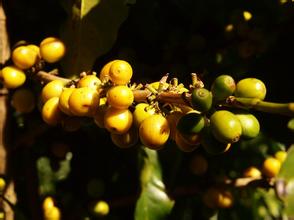
Can I plant coffee trees at home? How to plant coffee trees at home?
Six months ago, I asked for some coffee bean seeds from the landlord I worked with all the year round, planted them in my backyard, and then began to fantasize about picking coffee fruit in my yard and playing with honey. As a result, half a year passed, and the dean got a lot of grass. Ahem, where's the coffee tree we talked about? (it seems that the planting conditions of coffee trees should be popularized.) Coffee
2015-11-04 At home yes coffee trees? what?
The basic concept of Coffee that must be known about Coffee
First, know coffee 1, what is coffee (scientific name: Coffea arabica) also known as coffee tree, Arabica coffee, etc., is the national flower of Yemen. Before the 6th century AD, Yemen was called Arabian, so the coffee trees shipped from them to other places were also called Arabian coffee trees. The name coffee comes from the Arabic Qahwah, which means plant drink.
2015-07-29 Boutique coffee common sense must-know basic concepts
The growth process from Coffee Tree to Coffee Bean
Coffee tree, a perennial evergreen shrub or small tree of Rubiaceae, is a horticultural perennial cash crop with the characteristics of fast growth, high yield, high value and wide market. Wild coffee trees can grow to a height of 5 to 10 meters, but coffee trees planted on the manor are often cut to less than 2 meters in order to increase their fruit and facilitate harvesting. The opposite leaves of coffee trees are long oval.
2016-05-06 Coffee coffee beans growth process production process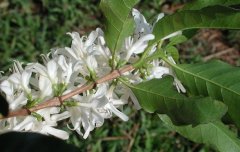
Boutique coffee learning coffee flower appreciation
Beautiful coffee flowers: every early spring, milky flowers are covered with branches, set off by the green leaves that hang to the ground, making them more delicate and beautiful. Coffee flowers exude a strong aroma, do not have some amorous feelings, but the flowering period is very short. Several to dozens of flowers are clustered in the axils of leaves, and the second to fifth flowers are planted on a flower axis. The flowers are white and fragrant. The petals of medium and small seeds are generally 5, and the petals of large seeds are generally 5.
2014-11-13 Coffee knowledge boutique coffee science coffee tree appreciation
The origin and planting conditions of coffee trees basic knowledge of coffee
The origin of the coffee tree is Ethiopia in Africa. In botany, coffee trees belong to the evergreen trees of the subgenus Rubiaceae, and coffee beans, commonly known as coffee beans, are the seeds of the fruit of coffee trees, just because they are shaped like beans, so they are called coffee beans. Climate is the decisive factor for coffee cultivation. Coffee trees are only suitable for growing in the tropics or subtropics, so latitude 25 is south and north.
2015-08-14 Coffee country of origin planting conditions basics common sense coffee origin Africa Egypt
Introduction to the flowering and planting environment of Yunnan Hongguang coffee tree and the cost of planting beans
Coffee fruit contains two seeds, namely coffee beans. The two beans are connected face to face with each other on one side of the plane. Each coffee bean has a thin outer film, which is called silver skin, and its outer layer is covered with a yellow outer skin, called endocarp. The whole coffee bean is wrapped in a sticky pulp to form coffee pulp, which is soft and sweet.
2016-10-21 Yunnan Hongguang coffee what month flowering planting environment cost introduction