“grain shape” search results (900)

Identification of genuine and fake coffee
Common adulterants in coffee are chicory root powder, roasted ground grains, etc., or processed with other bean-shaped seeds instead of coffee beans. The sensory coffee is brown and powdery. Due to the Maillard reaction during roasting, the coffee has a special aroma, and counterfeit coffee has no or
2014-08-07 True or false coffee identification here refers to coffee beans roasted ground after
Introduction to high-quality coffee
Introduction of coffee [scientific name] small seed species is Coffea arabica L., medium grain species is Coffea canephora, large seed species is Coffea liberica [alias] small seed species, also known as Arabian species, medium seed species is also known as Ganfla species, large grain species are also known as Liberian species, there are two common species: Arabica and Robusta. Coffea, Rubiaceae (Rubia)
2014-11-06 Coffee knowledge boutique coffee science coffee introduction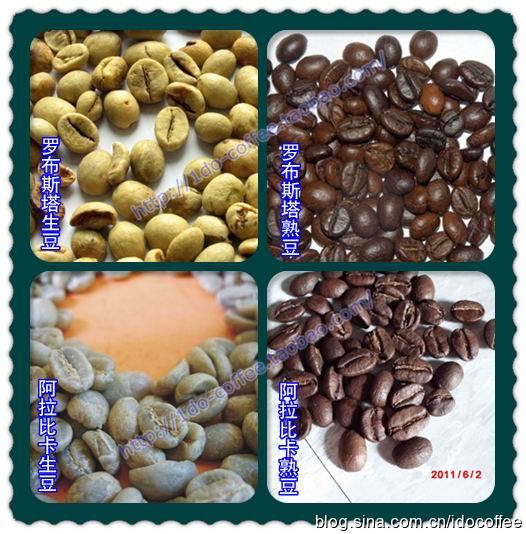
On the difference between Arabica Coffee and Robusta Coffee the difference between good beans and bad beans
Global coffee bean tree species are mainly divided into Arabica and Robusta, of which Arabica coffee beans account for about 65% and 80%. Arabica coffee has harsh planting conditions, weak disease resistance, high altitude requirements, slow growth, high quality, and fine processing of raw beans. Arabica coffee beans are elegant and slender in shape, with large and uniform grains, and different producing areas have their own.
2015-12-31 Talking about rabbi coffee Robbins Booth differences beans global
Basic knowledge of distinguishing Fine Coffee from genuine Coffee
The coffee here refers to the brown powdered solid drink of raw coffee beans roasted and ground. Common adulterants in coffee are chicory root powder, roasted ground grains, etc., or processed with other bean-shaped seeds instead of coffee beans. The sensory coffee is brown and powdery. Due to the Maillard reaction during roasting, the coffee has a special aroma, and counterfeit coffee has no or
2015-03-26 True and false coffee identification boutique basics common sense
Reg Barber Espresso Coffee Powder Presser
All coffee powder fillers can be changed with different wood, base shape, base metal, base diameter size or handle shape. Handles are available in four different options: tall, lob, short and lob. The height of the high handle is 3 1/2 (89mm). The height of the short and ball handles is 3 (76mm). These are the heights including the base. wooden handle
2015-07-08 Reg Barber Espresso Coffee Powder Pressed Some
Selection and treatment of coffee beans
Newness is the most important factor in buying coffee beans. To judge whether there are two steps between buying new beans and whether there are two steps: grab a handful of coffee beans and feel them with your palms. Is it enough to have a fragrance close to the nose? Put a bunch of beans into your mouth and bite them. A crisp sound indicates that the beans are well preserved and damp. If you want a single coffee bean, grab one in the palm of your hand.
2015-05-20 Coffee beans selection processing
Identification skills of genuine and fake coffee basic knowledge of coffee beans
The coffee here refers to the brown powdered solid drink of raw coffee beans roasted and ground. Common adulterants in coffee are chicory root powder, roasted ground grains, etc., or processed with other bean-shaped seeds instead of coffee beans. The sensory coffee is brown and powdery. Due to the Maillard reaction during roasting, the coffee has a special aroma, and counterfeit coffee has no or
2015-05-13 True and false coffee identification skills coffee beans basics common sense
Introduction to Ethiopian coffee beans with mostly small grains and long, pointed beans
Ethiopian beans are easily recognizable, mostly small and pointed long beans, known as longberry, and often mixed with small oval-shaped short beans, called shortberry, which look uneven in size and appearance. The commercial bulk beans of Grade4 or Grade5 are mostly mixed with hundreds of different crystal seeds in different producing areas, so the phenomenon of uneven bean phase is the most obvious.
2016-06-21 Mostly smaller and mature thin pointed long Ethiopia coffee beans introduction
How many kinds of coffee are there in Tanzania
Coffee production in Tanzania: coffee bean-shaped berry coffee in Tanzania produces a lot of coffee and is said to be more fragrant than ordinary coffee. Generally speaking, coffee beans in Tanzania have extraordinary quality. For example, the fine Tanzanian AA AA coffee (ChaggaAA), produced in the Moshi area near Mount Kilimanjaro, is full with its grains.
2016-05-23 Tanzania how much coffee type introduction origin bean shape
General knowledge of high-quality coffee to distinguish between true and fake coffee
The coffee here refers to the brown powdered solid drink of raw coffee beans roasted and ground. Common adulterants in coffee are chicory root powder, roasted ground grains, etc., or processed with other bean-shaped seeds instead of coffee beans. The sensory coffee is brown and powdery. Due to the Maillard reaction during roasting, the coffee has a special aroma, and counterfeit coffee has no or
2014-12-18 Boutique coffee common sense true and false identification here refers to coffee beans roasted
Selection of coffee beans
In short, when choosing green coffee beans, beans with uniform shape, thickness, size, color, center line and so on are the best. In short, an average bean is a good bean. Unfortunately, such beans are extremely rare.
2014-05-13 coffee knowledge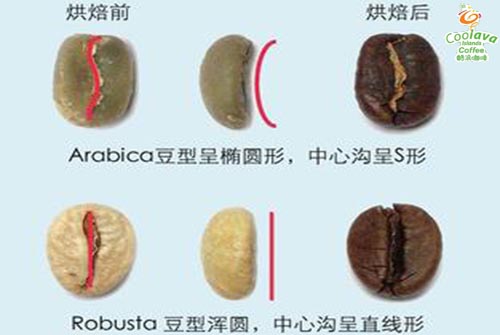
Boutique coffee beans: details of Arabica and the difference between Arabica and Robusta
Arabica Coffee Coffee Arabica many people have seen roasted coffee beans, but unless you have lived or traveled to coffee producing areas, you may not know coffee trees. The saplings are short-trimmed, but when they mature, they are 30 feet tall and covered with waxy leaves that grow symmetrically in dark green. The coffee fruit grows along the branches. After the white flowers are in full bloom and pollinated, the fruit takes a year to ripen.
2015-12-09 Boutique coffee beans rabbi details introduction and its Robes Booth difference
Morphological characteristics and planting environment of small-grain coffee
Morphological characteristics edit small trees or large shrubs, 5-8 m tall, base usually much branched; old branches gray, small-grained coffee (6) nodes inflated, young branches glabrous, compressed. Leaves thinly leathery, ovate-lanceolate or lanceolate, 6-14 cm long and 3.5-5 cm wide, tip long acuminate, acuminate part 10-15 mm long, base cuneate or slightly obtuse, rarely rounded, entire or present
2016-06-13 Small grains coffee morphological characteristics planting environment editors trees or large
What are pea-shaped coffee beans? The basic knowledge of boutique coffee beans
What are pea-shaped coffee beans? Pea-shaped coffee beans (also known as Caracol) are small, round, bean-shaped fruits, usually shaped in two halves, but this bean is a whole, growing in the center of the coffee fruit. Pea coffee beans are usually separated from ordinary beans and sold as distinct coffee beans. They are popular in Japan at high prices.
2015-09-23 What peas coffee beans boutique basics common sense
The flavor and taste of Mexican coffee beans with the fullest grains. Introduction to the characteristics of fine coffee in manor area.
Water transport, especially sea transport, undertakes the task of transporting part of Rico's goods, domestic goods and outbound passengers. According to the statistics of the national port system, from January to December 2013, the national freight container load reached 288 million tons of cargo, an increase of 1.6% over the same period last year. Among them, the deadweight of oil and petroleum derivatives alone reached 122 million tons, accounting for 42.5% of the total freight; bulk minerals
2016-08-10 Granules fullest Mexico coffee beans flavor taste manor producing area special
The various parts of the coffee plant decompose the shallow root crop of coffee.
Coffee is a shallow root crop, and the plants propagated with seeds have conical roots. Root system refers to the general name of root. The root morphological distribution and depth of shade varieties / soil conditions and agricultural technical measures are different. From the point of view of varieties, the roots of small / medium grain species are shallower, while those of large grain species are deeper. Under normal circumstances, there is a thick and short taproot and many well-developed lateral roots. Yunnan small-grain coffee has a 4-year-old fruit.
2015-09-23 Coffee plants parts decomposition shallow roots crops coffee species
Arabica Coffee Coffee Arabica
Many people have seen roasted coffee beans, but unless you have lived or traveled to coffee producing areas, you may not know coffee trees. The saplings are short-trimmed, but when they mature, they are 30 feet tall and covered with waxy leaves that grow symmetrically in dark green. The coffee fruit grows along the branches. After the white flowers are in full bloom and pollinated, the fruit takes a year to ripen. Fruiting is a continuous cycle, so flowers
2014-06-30 Arabica coffee beans boutique coffee beans roasted coffee beans
Introduction to the characteristics of fine coffee beans in the manor area of small-grain iron pickup coffee made in Yunnan, China
Panama is located in the isthmus of Panama in Central America, bordered by Colombia to the east, the Pacific Ocean to the south, the map of Panama to Costa Rica to the west and the Caribbean Sea to the north. The territory is S-shaped to connect North and South America, and the Panama Canal connects the Atlantic and Pacific oceans from north to south. It is known as the bridge of the world. [5] Panama has a land area of 75517 square kilometers.
2016-09-22 Domestic China Yunnan small grains pickup coffee flavor taste manor producing area
Teach you how to manually select coffee beans and coffee defective beans-introduction to coffee
Guide: hand-selected: it is a step to remove impurities and bad beans attached to delicious coffee beans. Coffee beans are often mixed with foreign bodies, such as stones, sawdust, pieces of metal, grains of soil, fruit of trees, and sometimes coins and glass. I agree with the saying that apples don't taste different because of their size, but when it comes to roasting coffee beans, they all have to be heated anyway.
2015-11-26 Teach you how to handicraft selection coffee beans coffee defects introduction
Introduction of rich fragrant Kenyan coffee beans
PB (Peaberry round beans) is special. Round beans (PB) are usually produced at the end of coffee trees that bloom too late or too early. Because the yield is rare, accounting for only 10% of the output, the round beans produced by the same coffee tree are more expensive than other flat beans (Flat Bean). When the round beans are specially collected together, the defective beans will be removed, the proportion of defects will be reduced, and the particles will be more consistent.
2016-06-30 Rich fragrant Kenya coffee beans introduction Peaberry round beans than