“first Century” search results (4000)

Kenya coffee beans characteristics, production areas, introduction
Coffee arrived in Kenya in the 19th century, when Ethiopian coffee drinks were imported to Kenya via South Yemen. But it wasn't until the early 20th century that bourbon coffee trees were introduced by St. Austin's Mission (St. Austin Mission) was introduced. Kenyan coffee is mostly grown at altitudes of 1,500 to 2,100 meters and harvested twice a year. To ensure that only ripe berries are picked, people must be present
2016-06-03 Kenya coffee beans characteristics origin presentation coffee 19th century entry kenny
Coffee and the Pope
From the 15th century coffee was grown in great quantities in Arabia, and the whole Muslim world enjoyed this so-called gift of God. More and more Europeans exploring Arabia in the Middle East are curious and documenting the coffee story. Slowly Venetian merchants began to think about coffee re-export business. However, the Arabs were wary at first. After all, this was their divine fruit.
2014-05-21 Coffee culture Pope Coffee beans
Introduction to the treatment methods of planting varieties in the brief History of Costa Rican Coffee
Brief history of coffee the earliest time of introduction of coffee was in 1720 according to CR official data. Baidu data showed that 1729 of coffee was introduced from Cuba. In short, coffee has taken root in CR in the 18th century. It was first planted in the central valley (central valley). In the 19th century, the government vigorously promoted the cultivation of coffee, including the allocation of land as long as it was willing to cultivate coffee, and that it could become soil after five years of cultivation.
2016-08-01 About Costa Rica coffee brief history planting varieties treatment methods introduction
Development of Coffee-making Technology Evolution and Development of Coffee-making methods
The literal meaning of coffee can be understood as many kinds: coffee drinks, coffee beans, coffee trees and so on. Generally speaking, the first thing people associate with the word coffee is coffee drinks. So let's first understand coffee as a drink and look at some knowledge about this drink. Coffee, tea and cola are called the three major drinks in the world today. Since the first coffee tree was discovered in Ethiopia
2014-09-28 Coffee knowledge coffee brewing technology coffee brewing technology development
How did the name of coffee come from?
It starts with the Ethiopian legend of the 5th century AD, when the sheep of the shepherd boy Kadi was so excited after eating a strange red fruit that Kadi and his companions could not help but give it a try, feeling refreshed and weary. Spread ten, ten hundred, this red fruit has since become a part of the local food culture, this red fruit is coffee. After that, coffee was introduced into Arabia.
2016-06-12 Coffee name how thing AD 5th century Ethiopia legend talking about
Innovative baking technology in the 20th century: the baking method using purely hot air flow
Of course, how could there be no innovative baking technology in this era of the 20th century? In the middle of the twentieth century, there were two major milestones in the evolution from direct and indirect fire baking to hot air baking.
2014-08-15 Coffee culture 20th century coffee roasting technology roasting methods
Coffee training pot Bilodi Bialetti mocha pot
The earliest way to cook coffee is to directly boil the coffee powder with water on the stove and filter it to drink. Since the 19th century, some people have tried to use steam to brew coffee, hoping to make a strong cup of coffee in a very short time. At the beginning of the 20th century, the industrial revolution began to ferment around the world, and the Italians created a shape and momentum that resembled a steam train boiler and a general espresso coffee machine.
2014-10-08 Coffee knowledge coffee training coffee maker coffee machine
A Summary of the Development History of Coffee in Yemen
Coffee scientific name: Coffea arabica), also known as coffee tree, Arabica coffee, etc., is the national flower of Yemen. Before the 6th century in the park, Yemen was called Arab, so the coffee trees transported from them to other places were also called Arabian coffee trees. The name coffee comes from the Arabic Qahwah, which means plant drink. Later, the coffee spread all over the world, and it was picked.
2014-05-27 Coffee history coffee calendar
A Summary of the Development History of Coffee in Yemen
Coffee scientific name: Coffea arabica), also known as coffee tree, Arabica coffee, etc., is the national flower of Yemen. Before the 6th century in the park, Yemen was called Arab, so the coffee trees transported from them to other places were also called Arabian coffee trees. The name coffee comes from the Arabic Qahwah, which means plant drink. Later, the coffee spread all over the world, and it was picked.
2016-10-15 Yemen Coffee History Overview Scientific name Coffea arab
Vanishing Arabian Wild Yemeni Coffee beans
Although Ethiopia is the birthplace of Arabica, the first coffee that Europeans drank from the end of the 17th century to the beginning of the 18th century came from Yemen. At that time, all African or Arabian coffee was exported from the port of Mocha, so that Mocha became synonymous with coffee, while Harald, the capital of the city walls, became a supporting role. However, three hundred years later, Yemeni coffee is no longer what it used to be.
2015-04-01 Vanish middle Arab wild Yemen coffee beans Ethiopia though pull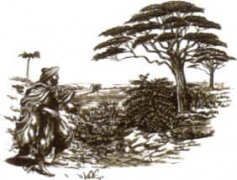
The Development of World Coffee in World History 1
In 622, Muhammad, the prophet of Islam, led the believers to migrate from Mecca to Medina and began to establish a church state, which developed into a powerful empire spanning Central Asia to the Liberian Peninsula in a century. Ethiopia, the origin of coffee, was included in the Ilan Empire and remained independent as a Christian country. Coffee began to flow from Ethiopia to Afghanistan in the early 11th century.
2015-07-27 World Coffee World History medium Development process 622 Islam
How many years of cultural heritage is there from the history of coffee to now?
Coffee was first discovered in Africa and there are many legendary origins of coffee. One of the many legends refers to the highlands of Cafa province in southwestern Ethiopia. It is said that a shepherd became very excited and lively when he discovered that the sheep had eaten a plant more than a thousand years ago, so he discovered coffee. It is also said that it is due to a wild field.
2016-05-27 Coffee history now how many years culture heritage coffee beginning is in
Introduction to the characteristics of Kenyan Coffee Flavor description and Grinding degree treatment
Kenya AA coffee beans are adjacent to Ethiopia, the origin of Arabica coffee trees in the north of Kenya, but it was not until the beginning of the 20th century that they began to engage in coffee cultivation. In the 19th century, missionaries introduced Arabica trees from the leaves, but did not plant them in large quantities. It was not until 1893 that coffee was cultivated on a large scale after the introduction of Brazil's ancient "bourbon" coffee seeds. In other words, the eye
2016-10-10 Kenya Coffee Flavor description Grinding treatment characteristics producing areas varieties introduction
Coffee machine recommends Bezerra century-old Golden Eagle coffee machine
On the left is the Bezerra century-old golden eagle coffee machine known as Rolls-Royce in the coffee machine, and the top right is the first payment for university students to perform and mix drinks. The lower right holds a live coffee-making competition for baristas. (Wen / Luo Weiwei and Chen Xiaohong) Cake plus coffee is the perfect match for afternoon tea. Where there is cake, how can it be accompanied without coffee? Coffee is also a major protagonist in this baking exhibition. Except
2015-07-10 Coffee machine recommended Bezerra century Golden Eagle known as coffee machine medium Rolls
Coffee beans the story of coffee beans the origin of coffee beans the story of the shepherd
Coffee beans in a broad sense, there are two kinds of coffee beans in the world, Arabica beans and Robosta beans. The earliest Arab way to eat coffee was to chew the whole fruit (CoffeeCherry) to absorb its juice. Then they mixed the ground coffee beans with animal fat as a physical supplement for long trips, and it was not until about 1000 AD that the green coffee beans were used.
2016-04-12 Coffee beans China coffee stories origin sheep herding human coffee beans in a broad sense the world
Coffee roasting History Coffee roasting Origin delicious coffee
The idea of roasting coffee over fire probably came from Ethiopia in the 13th century. In the following 700 years, people did not make much improvement to the roasting techniques of coffee. At that time, most people baked coffee at home or in coffee shops and made coffee directly from freshly baked beans. It was not until the mid-19th century that cylindrical coffee roasters were invented. From the first opening
2016-06-03 Coffee roasting history origin delicious with fire coffee ideas probably
Turkish coffee shops promote the British democratic revolution
The medieval theory of divine kingship began to crumble in England in the seventeenth century, and after the Glorious Revolution the basis of government had shifted from kings as God's agents on earth to the hands of people bound together by social contracts. After experiencing this great historical turning point, it can be said that the creed of modern democratic society, that is, the will of heaven, was formed. Ren Min Tong
2014-07-30 From Turkey Its Cafe Push England Democratic Revolution Progress 17th century
The origin of the word "coffee" in the basic knowledge of coffee
Coffee (scientific name: Coffea arabica), also known as coffee tree, Arabica coffee, etc., is the national flower of Yemen. Before the 6th century AD, Yemen was called Arabian, so the coffee trees shipped from them to other places were also called Arabian coffee trees. The name coffee comes from the Arabic Qahwah, which means plant drink. Later, the coffee spread all over the world, and it was picked.
2015-03-06 Coffee basic knowledge word origin coffee scientific name Coffea ara
Arab wildness in the disappearance of Yemeni Coffee
Although Ethiopia is the birthplace of Arabica, the first coffee that Europeans drank from the end of the 17th century to the beginning of the 18th century came from Yemen. At that time, all African or Arabian coffee was exported from the port of Mocha, so that Mocha became synonymous with coffee, while Harald, the capital of the city walls, became a supporting role. However, three hundred years later, Yemeni coffee is no longer what it used to be.
2015-02-11 Yemen coffee vanishing medium Arab wild Ethiopia though rabbi
Coffee maker recommends Bilody Bialetti mocha pot
The earliest way to cook coffee is to directly boil the coffee powder with water on the stove and filter it to drink. Since the 19th century, some people have tried to use steam to brew coffee, hoping to make a strong cup of coffee in a very short time. At the beginning of the 20th century, the industrial revolution began to ferment around the world, and the Italians created a shape and momentum that resembled a steam train boiler and a general espresso coffee machine.
2014-11-22 Coffee knowledge coffee pot mocha pot