“feed” search results (1121)

How much coffee can a nursing mother drink every day?
Many nursing mothers consult, can I drink coffee during lactation? The answer is yes, drinking coffee during lactation will not affect breast-feeding, let alone affect the health of the baby. Although some of the caffeine consumed by nursing mothers will eventually reach breast milk, a large number of studies have shown that the amount is less than 1% of their intake. How much coffee can a nursing mother drink every day? The American Academy of Pediatrics (AAP) recommends
2015-03-31 Lactation mother every day can drink how much coffee a lot breastfeeding counseling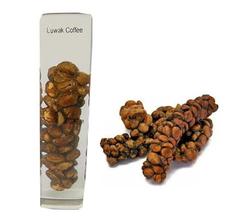
Civet coffee boutique coffee beans Indonesian coconut cat Kopi Luwak
Kopi Luwak is produced by the feces of Indonesian coconut cats (a kind of civet) as raw materials, so it is called Kopi Luwak. This kind of animal mainly feeds on coffee beans. After completing fermentation in the coconut cat's stomach, it destroys proteins, produces short peptides and more free amino acids, reduces the bitterness of coffee, and then excretes feces as the main raw material. Because coffee beans cannot be digested, they will be
2015-12-15 Musk coffee boutique coffee beans Indonesia coconut cat shit are made of
Full and juicy Muscat Coffee Manor Flavor and Taste characteristics of Indonesian Fine Coffee
Kopi Luwak is produced by the feces of Indonesian coconut cats (a kind of civet) as raw materials, so it is called Kopi Luwak. This kind of animal mainly feeds on coffee beans. After completing fermentation in the coconut cat's stomach, it destroys proteins, produces short peptides and more free amino acids, reduces the bitterness of coffee, and then excretes feces as the main raw material. Because coffee beans cannot be digested, they will be
2016-08-08 Full juicy musk coffee manor producing area flavor taste characteristics introduction
Boutique black ivory coffee manning coffee death wish coffee blue mountain coffee cappuccino
Black Ivory Coffee [1-2] is made from coffee beans digested and excreted by Thai elephants. These beans are the best Thai arabica coffee beans collected from 1500 meters above sea level, while these elephants are located in the Golden Triangle Asian Elephant Base (Golden Triangle Asian Elephant Foundation,GTAEF) in northern Thailand.
2016-05-05 Boutique black ivory coffee Mante death wish Blue Mountain Cabo Chino
Coffee Development History Coffee in the World Color Development schedule
African shepherds discovered strange coffee fruits on the plateau in about 500 AD. Since then, humans have known coffee. Coffee was planted in Arabian Peninsula and used as medicinal and religious feed. Coffee was introduced into Europe from Venice, Italy, in 1554. The colorful European coffee culture began to be born in 1616. Coffee was spread to the Netherlands from the port of Mocha.
2015-02-03 Coffee course History of Development World Development schedule AD 500 Africa
Like shit coffee price Thailand like shit coffee Kopi Luwak death wish coffee like dung coffee
Elephant poop coffee: the so-called black ivory coffee beans are naturally extracted by Thai elephants. The coffee fruit is digested by enzymes in the elephant stomach, which breaks down the protein in the coffee beans, so this elephant poop coffee tastes not bitter. It has aromas of milk chocolate, nuts, red berries and a few spices. It takes about 33 kilos of fresh coffee to produce 1 kilogram of poop coffee.
2016-05-04 Like shit coffee price Thailand cat shit death wish elephant dung elephant shit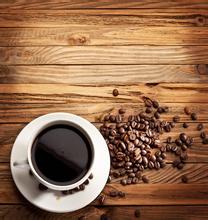
The flavor of civet coffee the origin of civet coffee the characteristics of civet coffee fine coffee
Civet Coffee (Kopi Luwak), native to Indonesia. It is one of the most expensive coffee in the world, with a price of several hundred dollars per pound. It is extracted from the feces of the civet and processed. The civet eats the ripe coffee fruit and is excreted through the digestive system. After it is fermented through the stomach, the coffee produced has a special taste and has become a grab in the international market.
2016-05-06 Musk coffee flavor origin characteristics boutique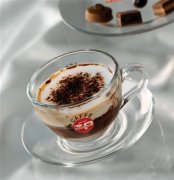
Coffee: four lifestyles of petty bourgeoisie sentiment
Coffee is a kind of mood, a kind of mood. It is not enough to feed your stomach and not enough to resist the cold, but it can lift your spirit, comfort your taste buds and satisfy your soul. Perhaps, in everyone's heart, there is a coffee memory of their own, maybe it is a night of staying up late, a cup of warm greetings, or a few quiet times in the corner cafe.
2015-08-18 Coffee petty bourgeoisie sentiment four lifestyle coffee one mood no
The basic knowledge of Fine Coffee Culture and the History of Coffee
African shepherds discovered strange coffee fruits on the plateau in about 500 AD. Since then, humans have known coffee. Coffee was planted in Arabian Peninsula and used as medicinal and religious feed. Coffee was introduced into Europe from Venice, Italy, in 1554. The colorful European coffee culture began to be born in 1616. Coffee was spread to the Netherlands from the port of Mocha.
2015-03-18 Boutique Coffee Culture fundamentals Common sense Coffee History 500 AD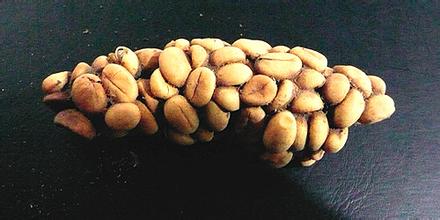
Introduction to fine coffee: Civet coffee is also known as "cat poop coffee"
Cat poop coffee is produced from the feces of Indonesian coconut cats (a civet cat), so it is called cat poop coffee. This kind of animal mainly feeds on coffee beans. After fermentation in the coconut cat stomach, protein is destroyed, short peptides and more free amino acids are produced, the bitter taste of coffee will be reduced, and the feces discharged will be the main raw material. Since coffee beans cannot be digested, they will be digested.
2015-12-05 boutique coffee presentation musk aka cat poop coffee cat poop is made by printed
The Development of Coffee the Cultural and Historical Development of Fine Coffee
African shepherds discovered strange coffee fruits on the plateau in about 500 AD. Since then, humans have known coffee. Coffee was planted in Arabian Peninsula and used as medicinal and religious feed in 1554. Coffee was introduced into Europe from Venice, Italy. The colorful European coffee culture began to be born in 1616. Coffee was spread to the Netherlands from the port of Mocha.
2015-06-12 Coffee development course boutique cultural history AD 500 years Africa sheep herding
The history of coffee development human beings have known coffee ever since.
African shepherds discovered strange coffee fruits on the plateau in about 500 AD. Since then, humans have known coffee. Coffee was planted in Arabian Peninsula and used as medicinal and religious feed. Coffee was introduced into Europe from Venice, Italy, in 1554. The colorful European coffee culture began to be born in 1616. Coffee was spread to the Netherlands from the port of Mocha.
2015-11-09 Coffee course history of development mankind from then on understanding AD 500 Africa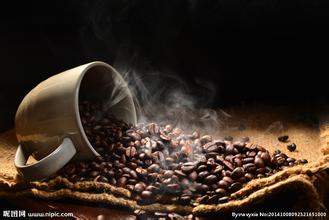
Civet Coffee Price civet Coffee Coffee good? civet Coffee producing area
Kopi Luwak is produced by the feces of Indonesian coconut cats (a kind of civet) as raw materials, so it is called Kopi Luwak. This kind of animal mainly feeds on coffee beans. After completing fermentation in the coconut cat's stomach, it destroys proteins, produces short peptides and more free amino acids, reduces the bitterness of coffee, and then excretes feces as the main raw material. Because coffee beans cannot be digested, they will be excreted.
2016-05-22 Musk coffee price delicious producing area cat shit is made from Indonesia coconut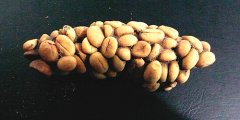
Civet Fine Coffee beans introduce the characteristics of civet coffee the taste of civet coffee
Kopi Luwak is produced by the feces of Indonesian coconut cats (a kind of civet) as raw materials, so it is called Kopi Luwak. This kind of animal mainly feeds on coffee beans. After completing fermentation in the coconut cat's stomach, it destroys proteins, produces short peptides and more free amino acids, reduces the bitterness of coffee, and then excretes feces as the main raw material. Because coffee beans cannot be digested, they will be excreted.
2016-03-22 Musk boutique coffee beans introduction coffee characteristics taste cat shit is made of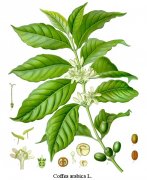
Coffee cultivation technique A tropical cash crop that is easy to cultivate
Coffee, cocoa and tea are called the three major beverages in the world, and their output, consumption and output value all rank first. In addition to being used as a beverage, coffee can also extract caffeine and coffee oil; in medicine, it can be used as an anesthetic, stimulant and diuretic cardiotonic agent. Coffee pulp can be used to make wine, vinegar, pectin and molasses; dried pulp can be used as animal feed; dried fruit shell can be used as fertilizer and burning
2015-10-07 Coffee cultivation techniques one easier cultivation tropical cash crops overview coffee
Mature sweet civet coffee flavor taste manor characteristics of boutique coffee beans
Coconut cats are omnivores. In addition to eating seeds, they also eat insects, snakes, birds, amphibians and reptiles, so the feces discharged by really wild coconut cats will be mixed with all kinds of substances. Local farmers in Indonesia catch coconut cats to raise them and feed coffee beans to make them. But after all, there are some differences between artificial cultivation and natural ones. Civet Coffee Coffee (
2016-08-11 Ripe sweet musk coffee flavor taste manor producing area characteristics boutique
The characteristics of boutique cat shit coffee beans the origin of Kopi Luwak how much is Kopi Luwak how much is a jin of Blue Mountain Coffee
Kopi Luwak is made in Indonesia. In the early 18th century, the Dutch established coffee plantations in the Indonesian colonies of Sumatra and Java, and banned locals from picking and eating their own coffee fruits. Indonesian locals inadvertently found that civets love to eat these coffee fruits and will drain the beans intact when defecating. The civet can only pick the most familiar.
2016-05-04 Boutique cat shit coffee beans characteristics coffee origin less money one jin Blue Mountain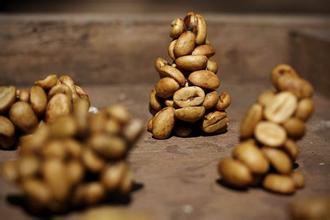
The latest introduction of boutique coffee beans, civet coffee, fine coffee
Kopi Luwak is produced by the feces of Indonesian coconut cats (a kind of civet) as raw materials, so it is called Kopi Luwak. This kind of animal mainly feeds on coffee beans. After completing fermentation in the coconut cat's stomach, it destroys proteins, produces short peptides and more free amino acids, reduces the bitterness of coffee, and then excretes feces as the main raw material. Because coffee beans cannot be digested, they will be
2015-12-31 Boutique coffee beans musk coffee the latest introduction cat shit is made by Indonesia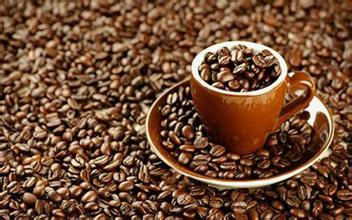
Vietnam Kopi Luwak _ Vietnam Kopi Luwak Price legendary Kopi Luwak from Vietnam
Kopi Luwak is made in Indonesia. In the early 18th century, the Dutch established coffee plantations in the Indonesian colonies of Sumatra and Java, and banned locals from picking and eating their own coffee fruits. Indonesian locals inadvertently found that civets love to eat these coffee fruits and will drain the beans intact when defecating. The civet can only pick the most.
2016-04-30 Vietnam cat shit coffee price legend from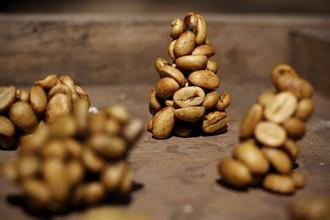
Civet coffee boutique coffee beans the latest coffee information and introduction
Civet Coffee (Kopi Luwak), native to Indonesia. It is one of the most expensive coffee in the world, with a price of several hundred dollars per pound. It is extracted from the feces of the civet and processed. The civet eats the ripe coffee fruit and is excreted through the digestive system. After it is fermented through the stomach, the coffee produced has a special taste and has become a grab in the international market.
2015-12-23 Musk coffee boutique coffee beans latest information introduction musk cat shit