“cultivation area” search results (5000)

Guatemala Antigua Guatemala Coffee Bean Flavors
Antigua is located in a valley in the volcanic cliffside region of Guatemala. Farmers have worked hard to improve cultivation methods, separating defective beans by hand, and are known for their low overall rate of defective beans. It is said that the shade cultivation method used in coffee cultivation (planting tall crops such as banana trees around coffee trees to create artificial shade) originated in Guatemala
2016-05-04 Region Knowledge Guatemala Antioch Coffee Bean Flavor Location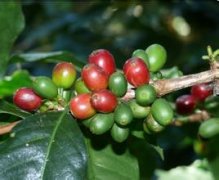
A brief talk on the basic knowledge of Fine Coffee with Coffee beans
1. Summary: coffee is a perennial evergreen shrub or small tree of Rubiaceae. It is native to tropical Africa and has been cultivated for more than 2000 years. The Arabs began to grow coffee in 525 BC, and it was popular for Arabs to stir-fry coffee beans. They began to grow coffee beans on a large scale after the 15th century, and were widely distributed in the tropics and subtropics of Europe, Asia, Africa and Latin America after the 18th century.
2015-06-04 Talking about coffee beans boutique coffee basics common sense overview grass for many years
Panamanian coffee is a coffee made in Panama.
A brief history of coffee development in Panama: According to historical records, coffee was first brought to Panama by European immigrants in the 19th century. In the past, Panamanian coffee was not very popular and its production was only 1/10 of that of its neighbor Costa Rica, but now the coffee industry's attention to fine coffee has made Panama increasingly interested in growing coffee. Panama's geographical advantage lies in him.
2016-03-25 Panama Boutique Coffee Profile Development Brief History About Hair
Costa Rican Coffee House-Diamond Hill Coffee House Costa Rican Coffee House
Costa Rican coffee cultivation was introduced from Cuba in 1779 and exported for the first time in 1820. There are about 32,000 coffee farmers in Costa Rica, with an average cultivation area of less than one hectare (10,000 m2) per farmer. Costa Rica has a population of 4.1 million (2006), coffee cultivation area of 82,500 hectares, annual production of 1.7 million bags (60kgs per bag), annual domestic consumption of 380,000 bags, flat
2016-03-30 Costa Rica Coffee Manor Introduction Rock Mountain Taste
The cultivation conditions in Nicaragua are quite good. The producing area of fine coffee in America.
Nicaragua (Nicaragua) aroma 3.5 minutes brightness 4 mellow flavor 4 points aftertaste 4 points suitable for baking: people who like deep-baked taste of City/Full city can try Jinotega and Matagalpa, baking the second burst when the beans are dense, the flavor is thick but well balanced, with a strong bittersweet, non-
2016-06-14 Nicaragua planting conditions when good boutique coffee America origin
General knowledge of Coffee planting Environmental requirements for the cultivation of small Coffee in Yunnan
Small seed coffee is native to the lower part of the Ethiopian rainforest in northern Africa. The temperature is relatively low, with an average annual temperature of 20 degrees. The origin of medium-grain coffee is near the equator. Therefore, small seed coffee has stronger cold tolerance and wider adaptability than medium grain coffee. Medium-grain coffee requires a slightly higher temperature. First, the requirement for temperature should be based on the natural conditions of Yunnan, and the suitable planting area of coffee should be selected.
2015-02-16 Coffee planting common sense Yunnan small grains environment requirements
Ethiopian coffee origin coffee flavor
Ethiopia has unique and different flavors, providing customers all over the world with a wide range of taste choices. In the highlands of southwestern Ethiopia, the Kaffa, Sheka, Gera, Limu and Yayu Senri coffee ecosystems are considered to be Arabica coffee.
2016-05-31 Ethiopia Coffee Origin Flavor
History of coffee tree cultivation Importance of bean grinder
In fact, Arabs began growing coffee in 525 BC, and chewing roasted coffee beans became popular in Arabia. In 890 AD, Arab merchants sold coffee beans to Yemen, and Yemen made coffee beans into a beverage for the first time. In the 15th century, coffee was introduced into Europe, Asia, and soon into America. By the 18th century, the tropics and subtropics of the globe were widespread.
2016-06-07 coffee cultivation history grinder importance actually 525 BC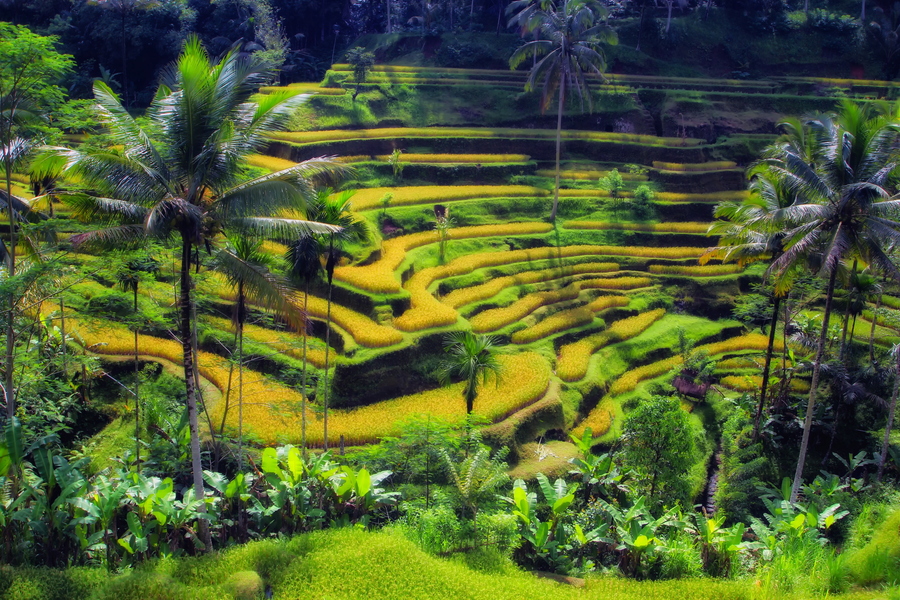
China Coffee Network introduces the cultivation of coffee in Yunnan Coffee planting history of Yunnan coffee should be planted in Yunnan
The western and southern parts of Yunnan Province are located between 15 N latitude and the Tropic of Cancer. Most of the areas are 1000 mi 2000 meters above sea level. The topography is dominated by mountains and slopes, with large ups and downs, fertile soil, sufficient sunshine, rich rainfall and large temperature difference between day and night. These unique natural conditions form the special taste of Yunnan small grain coffee, which is rich but not bitter, fragrant but not strong, and slightly fruity. As early as fifty
2016-03-28 China Coffee introduction Yunnan planting History suitable planting Yunnan Province West South
Cultivation conditions of coffee "coffee belt" (Coffee Belt)
There is a noun called Coffee Belt. There are more than 60 coffee producing countries in the world, most of which are located in the tropics and subtropics between the Tropic of Cancer (latitude 2326). This coffee growing area is called a coffee belt or coffee area (Coffee Zone). The annual average temperature of the coffee belt is above 20 ℃, because the coffee tree is a tropical plant, and if the temperature is below 20 ℃,
2015-11-06 Coffee cultivation conditions coffee belt Belt there is a noun
Flavor of Ethiopian Coffee cultivation
Various forms of coffee cultivation can be found in Ethiopia: everything from wild coffee forests and semi-developed land to traditionally operated plots to modern plantations. About 50% of the coffee is grown more than 1500 meters above sea level. Harrar coffee is the highest growing area of all coffee in Ethiopia. Hara coffee can be divided into long coffee.
2016-05-29 Ethiopia coffee cultivation way flavor found various
Colombian coffee beans with full consistency and sweet caramel introduce boutique coffee
Flavor: full of acidity, caramel, sweet nuts, chocolate, red wine flavor, admirable fruit flavor. Palate: full viscosity, caramel sweetness, supple and pleasant fruit acid. Roasting degree: medium and deep roasting areas: Huilan varieties: Caturra treatment: washed Columbia Magnolia (Colombia huila): located in southwestern Colombia, is the main coffee
2016-06-28 Consistency fullness caramel sweetness Columbia coffee beans introduction boutique coffee
Yunnan coffee Yunnan small grain coffee Yunnan boutique coffee
Yunnan small-grain coffee in China is a beverage crop with high economic value, which is called the three largest beverages in the world together with cocoa and tea, and its output and consumption ranks first among the three beverages. Coffee is rich in protein, fat, sucrose, starch, glucose, caffeine and other substances, rich aroma and delicious taste. Coffee is a perennial evergreen shrub of the genus Coffee of Rubiaceae or Xiao Qiao.
2014-09-16 Yunnan coffee Yunnan small grain coffee Yunnan boutique coffee
Bright taste Panamanian Cupid coffee flavor boutique coffee beans introduce Panamanian coffee
Boquete, this is the Panamanian region that we are most familiar with. The special mountainous terrain of this area forms a microclimate which is very suitable for growing coffee. Cool weather and frequent fog slow down the ripening process of coffee cherries, and some even say that the climate can already simulate high-altitude planting. Altitude: 400-1900m harvest time: December-March planting varieties: Tibica, card
2016-08-01 Bright taste Panama Cupid coffee flavor boutique coffee beans introduction
Description of Coffee Flavor in Crystal Mountain, Cuba; introduction to the taste of fine coffee
In 1748, coffee was introduced into Cuba from Domiga, and Cuba began to grow coffee ever since. With fertile land, humid climate and abundant Rain Water, Cuba can be called a natural treasure land for coffee cultivation. The suitable natural conditions provide a favorable natural environment for the growth of coffee trees, and coffee is well planted and developed here. In Cuba, the cultivation of coffee is regulated by the state. Cuba is the best
2016-10-09 Cuba Crystal Mountain coffee flavor description producing area characteristics boutique taste introduction
Coffee knowledge what conditions are needed for coffee cultivation
There is a noun called Coffee Belt. There are more than 60 coffee producing countries in the world, most of which are located in the tropics and subtropics between the Tropic of Cancer (latitude 2326). This coffee growing area is called a coffee belt or coffee area (Coffee Zone). The annual average temperature of the coffee belt is above 20 ℃, because the coffee tree is a tropical plant, and if the temperature is below 20 ℃,
2015-03-06 Coffee knowledge cultivation needs what conditions there is a noun called coffee.
The story of the four major cultivation systems of Ethiopian coffee, Xueke Omar, imported coffee
Ethiopia is located between 3 and 14 degrees north latitude, and the coffee tree cultivation area is close to 600,000 hectares. There are two rainy seasons in the south and east of the country and only one rainy season in the west. The distribution of rainy seasons is different, so that Ethiopia has coffee harvest all year round. Coffee grows between 550 and 2,750 meters above sea level. The soil in the west and south belongs to volcanic rocks and is rich in minerals.
2016-04-20 Ethiopia Coffee Big Four Cultivation Systems Snow Omar Story Import
Four cultivation systems of Ethiopian coffee
Ethiopia is located between three and fourteen degrees north latitude, and the planting area of coffee trees is nearly 600000 hectares. There are two rainy seasons a year in the south and east of the country, while there is only one rainy season in the west. The distribution of the rainy season is different, so coffee is harvested in Ethiopia all the year round. Coffee grows between 550 and 2750 meters above sea level. The soils in the west and south belong to volcanic rocks and are rich in minerals.
2015-04-01 Ethiopia coffee big four cultivation system located in north latitude
Four cultivation systems of Ethiopian coffee
Ethiopia is located between three and fourteen degrees north latitude, and the planting area of coffee trees is nearly 600000 hectares. There are two rainy seasons a year in the south and east of the country, while there is only one rainy season in the west. The distribution of the rainy season is different, so coffee is harvested in Ethiopia all the year round. Coffee grows between 550 and 2750 meters above sea level. The soils in the west and south belong to volcanic rocks and are rich in minerals.
2015-10-22 Ethiopia coffee big four cultivation system located in north latitude
Introduction of Coffee planting Environment in Kenya Coffee Manor is introduced in the production area of Berman Manor
When coffee first arrived, Kenya was under British rule, and coffee cultivation was promoted to earn foreign exchange. In 1963, when Kenya became independent, the status of coffee did not decline, but was consolidated and was an important component of Kenya's trade income. Kenya Coffee growing area Kenya's coffee producing areas are mainly concentrated in Mount Kenya (Mt. The plateau region represented by Kenya). Tropical gas
2016-07-06 Kenya coffee planting mode environment introduction manor producing area Berman