“convex” search results (107)
Robasta seed bean shape larger, obverse gradually round, convex abaxial, crack straight
Bean shape is larger, the front gradually round, the back was round convex, crack straight. Robasta coffee trees are native to Madagascar in central and western Africa and Indonesia in Asia, accounting for about 20% to 30% of the world's production. Robasta coffee tree is suitable for planting in lowlands below 500 meters above sea level, and is extremely adaptable to the environment, able to resist harsh weather and resist
2016-05-19 robas bas bean-shaped larger obverse tapering rounded faceted convex cracked
Talk about the classification of color characteristics of raw coffee beans
Types and characteristics of raw coffee beans Type A White type is characterized by low water content, overall white, high maturity, mixed bean granule size and thin bean-shaped flat meat. The bean surface is not concave and convex, and has a smooth touch; it is mostly produced in lowlands or medium and high places, with weak sour taste and less aroma. Therefore, even if we use light baking to moderate baking, the sour taste will not be particularly prominent.
2014-08-25 Coffee knowledge color characteristics of raw coffee beans classification of raw coffee beans
Liberica coffee beans
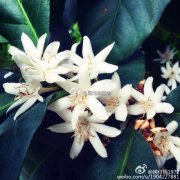
Liberica coffee beans: large shrubs or small trees, 6-15 m tall; dark brown bark; branches spreading, hard and straight. Leaves opposite, leathery, elliptic or Obovate-elliptic, 15-30 cm long, tip mucronate, base broadly cuneate, margin entire, rarely microwave, often with small pores in lower vein axils; petiole 8-20 mm long; stipules broadly triangular, 3-4 mm long, tip obtuse, rarely convex
2014-08-21 Coffee knowledge Liberica coffee beans Hainan coffee beans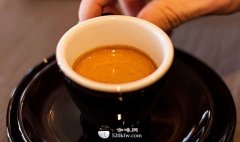
Coffee cups introduce Espresso cups.
Espresso cups are generally made of porcelain cups with thicker walls, mainly for heat preservation. The bottom is sometimes made into a convex shape similar to the bottom of a red wine bottle so that a small amount of powder in the coffee will precipitate at the bottom of the cup without being drunk together. The handle of the cup is used for pinching, not for fingers to pass through, so the ring will be very small or even have no eyes to pierce.
2014-09-17 Coffee knowledge coffee cup espresso cup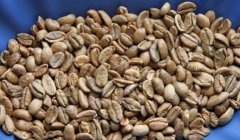
Liberica coffee beans produced in Hainan
Liberica coffee beans: large shrubs or small trees, 6-15 m tall; dark brown bark; branches spreading, hard and straight. Leaves opposite, leathery, elliptic or Obovate-elliptic, 15-30 cm long, tip mucronate, base broadly cuneate, margin entire, rarely microwave, often with small pores in lower vein axils; petiole 8-20 mm long; stipules broadly triangular, 3-4 mm long, tip obtuse, rarely convex
2014-09-25 Hainan Librika coffee beans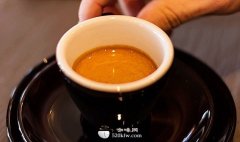
The basics of coffee about the cup of Espresso
Espresso cups are generally made of porcelain cups with thicker walls, mainly for heat preservation. The bottom is sometimes made into a convex shape similar to the bottom of a red wine bottle so that a small amount of powder in the coffee will precipitate at the bottom of the cup without being drunk together. The handle of the cup is used for pinching, not for fingers to pass through, so the ring will be very small or even have no eyes to pierce.
2014-10-23 Coffee knowledge coffee basics Espresso cup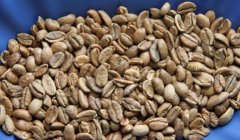
Chinese coffee Hainan Liberica coffee beans
Liberica coffee beans: large shrubs or small trees, 6-15 m tall; dark brown bark; branches spreading, hard and straight. Leaves opposite, leathery, elliptic or Obovate-elliptic, 15-30 cm long, tip mucronate, base broadly cuneate, margin entire, rarely microwave, often with small pores in lower vein axils; petiole 8-20 mm long; stipules broadly triangular, 3-4 mm long, tip obtuse, rarely convex
2014-11-20 Coffee knowledge Chinese coffee Hainan coffee Librika coffee beans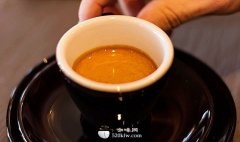
Espresso knowledge Espresso coffee cups
Espresso cups are generally made of porcelain cups with thicker walls, mainly for heat preservation. The bottom is sometimes made into a convex shape similar to the bottom of a red wine bottle so that a small amount of powder in the coffee will precipitate at the bottom of the cup without being drunk together. The handle of the cup is used for pinching, not for fingers to pass through, so the ring will be very small or even have no eyes to pierce.
2015-01-07 Italian espresso coffee knowledge Espresso coffee cup Espre
Introduction to Librika Coffee beans
Liberica coffee beans: large shrubs or small trees, 6-15 m tall; dark brown bark; branches spreading, hard and straight. Leaves opposite, leathery, elliptic or Obovate-elliptic, 15-30 cm long, tip mucronate, base broadly cuneate, margin entire, rarely microwave, often with small pores in lower vein axils; petiole 8-20 mm long; stipules broadly triangular, 3-4 mm long, tip obtuse, rarely convex
2015-04-16 Libby Rika coffee beans boutique introduction shrubs Joe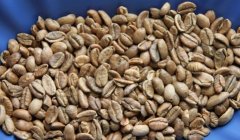
Produced in Hainan, China: Liberica coffee beans
Liberica coffee beans: large shrubs or small trees, 6-15 m tall; dark brown bark; branches spreading, hard and straight. Leaves opposite, leathery, elliptic or Obovate-elliptic, 15-30 cm long, tip mucronate, base broadly cuneate, margin entire, rarely microwave, often with small pores in lower vein axils; petiole 8-20 mm long; stipules broadly triangular, 3-4 mm long, tip obtuse, rarely convex
2015-06-01 China Hainan Libby Rika Coffee beans shrubs Joe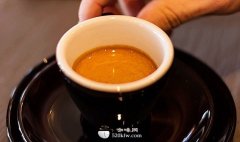
Espresso Italian concentrated cups with beautiful pictures
Espresso cups are generally made of porcelain cups with thicker walls, mainly for heat preservation. The bottom is sometimes made into a convex shape similar to the bottom of a red wine bottle so that a small amount of powder in the coffee will precipitate at the bottom of the cup without being drunk together. The handle of the cup is used for pinching, not for fingers to pass through, so the ring will be very small or even have no eyes to pierce.
2015-10-17 Espresso Italian Condensed pathetic Meitu
Commercial beans Robusta coffee beans
The bean shape is larger, the front is gradually round, the back is round and convex, and the crack is straight. Robasta coffee trees are native to Madagascar in central and western Africa and Indonesia in Asia, and account for about 20% to 30% of the world's output. Robasta coffee tree is suitable for planting in the lowlands below 500 meters above sea level. It has strong adaptability to the environment, can resist the harsh climate and resist.
2016-05-16 Business Robes Booth Coffee beans beans large positive gradual Round Noodle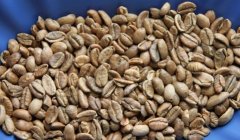
China Hainan Coffee Beans Librika Coffee Beans
Coffee beans: large shrubs or small trees, 6-15 m tall; bark dark brown; branches spreading, hard and straight. Leaves opposite, leathery, elliptic or obovate-elliptic, 15-30 cm long, apex mucronate, base broadly cuneate, margin entire, rarely wavy, often with pits in lower vein axils; petiole 8-20 mm long; stipules broadly triangular, 3-4 mm long, apex obtuse, rarely convex
2014-11-11 Coffee knowledge China Hainan coffee beans Liberica coffee beans
Robusta coffee beans commercial coffee beans
The bean shape is larger, the front is gradually round, the back is round and convex, and the crack is straight. Robasta coffee trees are native to Madagascar in central and western Africa and Indonesia in Asia, and account for about 20% to 30% of the world's output. Robasta coffee tree is suitable for planting in the lowlands below 500 meters above sea level. It has strong adaptability to the environment, can resist the harsh climate and resist.
2016-05-27 Robes Booth Coffee beans Commercial Bean-shaped large positive gradual Round Noodle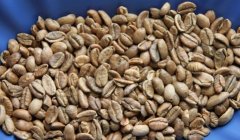
Liberica coffee beans made in Hainan, China
Liberica coffee beans: large shrubs or small trees, 6-15 m tall; dark brown bark; branches spreading, hard and straight. Leaves opposite, leathery, elliptic or Obovate-elliptic, 15-30 cm long, tip mucronate, base broadly cuneate, margin entire, rarely microwave, often with small pores in lower vein axils; petiole 8-20 mm long; stipules broadly triangular, 3-4 mm long, tip obtuse, rarely convex
2015-10-13 Libby Rika Coffee beans China Hainan Origin Irrigation
China Hainan boutique coffee beans Liberica coffee beans
Liberica coffee beans: large shrubs or small trees, 6-15 m tall; dark brown bark; branches spreading, hard and straight. Leaves opposite, leathery, elliptic or Obovate-elliptic, 15-30 cm long, tip mucronate, base broadly cuneate, margin entire, rarely microwave, often with small pores in lower vein axils; petiole 8-20 mm long; stipules broadly triangular, 3-4 mm long, tip obtuse, rarely convex
2014-12-28 China Hainan boutique coffee beans Libby Rika irrigation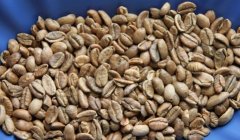
China's boutique coffee beans Hainan produces libirika coffee beans
Liberica coffee beans: large shrubs or small trees, 6-15 m tall; dark brown bark; branches spreading, hard and straight. Leaves opposite, leathery, elliptic or Obovate-elliptic, 15-30 cm long, tip mucronate, base broadly cuneate, margin entire, rarely microwave, often with small pores in lower vein axils; petiole 8-20 mm long; stipules broadly triangular, 3-4 mm long, tip obtuse, rarely convex
2014-09-29 Coffee knowledge Chinese coffee beans Hainan coffee beans Liberica coffee beans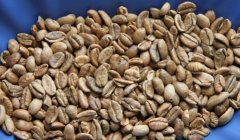
China is the coffee bean produced in Hainan. Liberica coffee beans.
Liberica coffee beans: large shrubs or small trees, 6-15 m tall; dark brown bark; branches spreading, hard and straight. Leaves opposite, leathery, elliptic or Obovate-elliptic, 15-30 cm long, tip mucronate, base broadly cuneate, margin entire, rarely microwave, often with small pores in lower vein axils; petiole 8-20 mm long; stipules broadly triangular, 3-4 mm long, tip obtuse, rarely convex
2015-09-15 China Hainan coffee beans Libby Rika shrubs Joe
Australian White Coffee Flat White
Australian-style white coffee, unlike cappuccino, 1-beat-3 Espresso,1/3 hot milk, 1-pound-3 milk foam, and sprinkle some chocolate powder or cinnamon powder on the formed micro-convex surface. Australian white is named Flat White because it is smoother and consistent with the cup noodles, highlights the fineness of the milk foam above, and the temperature is milder. Maybe the temperature is more suitable for drinking quickly, and the Flat White will not be big.
2016-06-23 Australian white coffee coffee Flat White
Output accounts for about 20% to 30% of the world's output. Robasta Coffee Tree Commercial Coffee
The bean shape of Robasta is larger, the front is gradually round, the back is round and convex, and the crack is straight. Robasta coffee trees are native to Madagascar in central and western Africa and Indonesia in Asia, and account for about 20% to 30% of the world's output. Robasta coffee tree is suitable for planting in the lowlands below 500 meters above sea level. It has strong adaptability to the environment and can resist bad conditions.
2016-06-02 Production about worldwide 20% 30% Robbas Bath Coffee Business