“coffee tree species classification” search results (300)
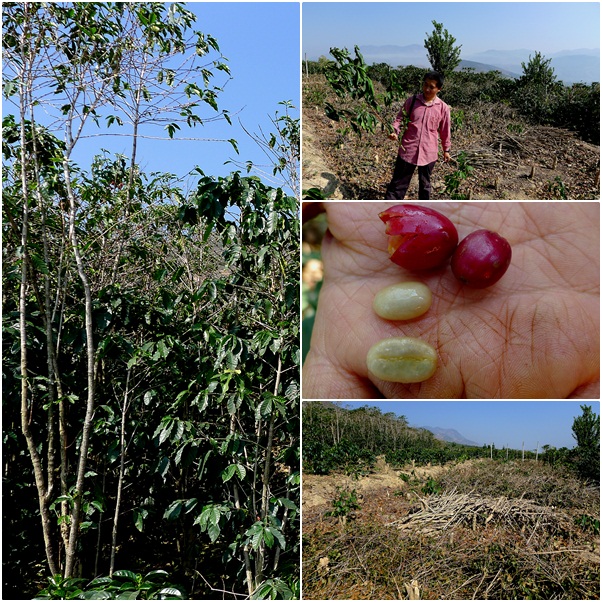
Tibika Typica Tibika/Tipika/Tipika Mantinen is a Robusta species or Arabi
Genetically classifying coffee has always been a complicated business. As far as the coffee varieties on the market are concerned, the most superficial classification is of course divided into Arabica and Robusta (hereinafter referred to as radish beans)! The two family elders iron pickup truck "Typica" iron pickup truck, the name sounds very majestic, but in fact it is not so strong, its constitution is weaker, resistant
2016-04-22 tibi Typica pica mante robbs booth or la
Introduction of cultivation and species of Coffee Tree
Cultivation techniques require that the origin of coffee trees [4] is in Ethiopia in Africa. In botany, coffee trees belong to the evergreen trees of the subgenus Rubiaceae, and coffee beans, commonly known as coffee beans, are actually the seeds of the fruit of coffee trees. They are called coffee beans only because they are shaped like beans. Climate is the decisive factor for coffee cultivation, and coffee trees are only suitable for growing in the tropics or subheat.
2016-06-13 Coffee cultivation introduction species cultivation techniques requirements Origin Africa
Species botany of coffee beans
Scientific taxonomy of coffee: Plantae phylum: embryonic phylum Spermatophyta (unclassified) true dicotyledons eudicots core true dicotyledons core eudicots class: angiosperms Angiosperma (ungraded) chrysanthemum asterids lip-shaped branches lamiids: Gentianales family: Rubiaceae Rubi
2014-06-30 Species of coffee beans botany
Introduction to the species and growing environment of coffee trees
Coffee trees can only grow in the tropics and subtropics. Coffee trees can grow in different climates, soils, elevations and rainfall in the middle of the coffee belt. Coffee trees thrive in the hot and humid canyons and forest rainforests of Africa; it still produces high-quality coffee beans in cold, foggy, windy Central America; and in the changeable climate, drought and torrential rain
2016-06-07 Coffee class and growth environment introduction coffee only grow in tropical subtropical
Coffee trees and three kinds of native species
Coffee trees and three kinds of native coffee trees are evergreen shrubs or trees belonging to the Rubiaceae family. Wild coffee trees can grow to a height of 5 to 10 meters, but coffee trees planted on the manor are often cut to a height of less than 2 meters in order to increase fruit and facilitate harvesting. The opposite leaf of the coffee tree is long oval, the leaf surface is smooth, the end branch is very long, the branch is few, and the flower is white.
2014-09-11 Coffee trees coffee trees coffee knowledge
Organ classification of coffee
Coffee is a shallow root crop, and the plants propagated with seeds have conical roots. Root system refers to the general name of root. The root morphological distribution and depth of shade varieties / soil conditions and agricultural technical measures are different. From the point of view of varieties, the roots of small / medium grain species are shallower, while those of large grain species are deeper. Under normal circumstances, there is a thick and short taproot and many well-developed lateral roots. Yunnan small-grain coffee has a 4-year-old fruit.
2014-06-16 Coffee beans coffee organs
Classification characteristics of Kenyan coffee beans with slight acid introduction of varieties in grinding degree production area by flavor description method
Kenyan coffee bean flavor knowledge production areas Kenyan coffee is mostly grown at an altitude of 15002100 meters and is harvested twice a year. Kenyan industrious people love coffee as much as lovers in love. Accounting for 55% of Kenya's total coffee production (40% of the number of estates) is run by numerous small operators. These small operators saw it.
2016-10-20 Have slightly acid Kenya coffee beans grading characteristics flavor description treatment research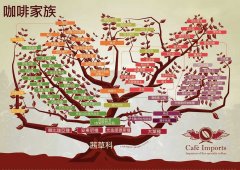
Coffee Bean Variety Daquan | how important Arabica Coffee beans are
It has always been a complicated matter to classify coffee genetically. As far as the coffee varieties on the market are concerned, the most superficial classification is of course divided into Arabica and Robusta (hereinafter referred to as radish beans). About the difference between Arabica and turnip beans, follow Wechat cafeliving reply
2021-10-13 Rabbi
Coffee shop owner must see how to share the skills of buying raw coffee beans
Sellers of raw beans (usually coffee farmers or processing plants that deal with raw beans) must be responsible for the grading of coffee beans before they are sold to buyers (usually importers, brokers, or bean merchants). Once the classification is completed, there will still be some coffee beans of "Exceptional" and "Specialty" that will not be included in the classification.
2015-01-14 Cafes owners must-see coffee raw beans shopping skills sharing sellers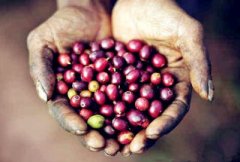
The classification of Colombian boutique coffee Colombian coffee characteristics Colombian coffee taste brother
According to the classification of defective beans, defective beans can be divided into two types:-first: called first-class defects-second: called second-level defects. First: main defects (defects that affect the taste characteristics of coffee): black beans. Private exporters of moldy beans or sour beans: no more than 12 national coffee committees: no more than 8 first-level defective beans, second: secondary defects
2016-03-21 Columbia boutique coffee grading characteristics taste according to defects classification score
Coffee Bean knowledge Coffee Raw Bean
Sellers of raw beans (usually coffee farmers or processing plants that deal with raw beans) must be responsible for the grading of coffee beans before they are sold to buyers (usually importers, brokers, or bean merchants). Once the classification is completed, there will still be some coffee beans of "Exceptional" and "Specialty" that will not be included in the classification.
2014-10-11 Coffee knowledge coffee beans
The History or Origin of Blue Mountain Coffee what are the three types of coffee
At present, there are three kinds of coffee: Arabica, Robusta and Liberika. Arabica species: of Elaraby Sinia (now Ethiopia), with the highest quality of the three largest tree species, accounting for 2/3 of the world's coffee production. Coffee beans are oval and flat, cultivated in the highlands. It has strong fragrance and good quality; Robusta species: from Africa, Congo, resistant to disease
2016-06-13 Blue Mountain Coffee History Origin History Coffee three species present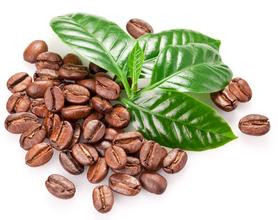
Boutique coffee beans: coffee genealogy (variety knowledge popularization post) basic knowledge of coffee introduction
From Ethiopia to East Africa, coffee varieties have experienced about 1300 years of development and evolution. Experienced Yemen, India, Java, the Netherlands, Paris, Bourbon, Martinique Island, Haiti, Mexico, Brazil and other Central and South American countries. Coffee is an evergreen shrub of the genus Rubiaceae of Gentianaceae. The general classification of coffee is: Arabica iron.
2015-12-02 Boutique coffee beans coffee genealogy variety knowledge popularization introduction basic knowledge
Growing Coffee trees in Taiwan Coffee Coffee in Taiwan Cafe
Boutique coffee (specialty coffee) is also called specialty coffee selection coffee. It refers to coffee made from a small number of raw beans with excellent taste grown in an ideal geographical environment. Depending on the special soil and climatic conditions in which they grow, they have outstanding flavor. After strict selection and classification, this kind of coffee is hard in texture, rich in taste and stylish.
2016-06-19 Taiwan planting coffee flavor cafe boutique speci
Boutique coffee beans: the detailed classification of Colombian coffee beans teaches you to know boutique coffee beans.
According to the classification of defective beans, defective beans can be divided into two types:-first: called first-class defects-second: called second-level defects. First: main defects (defects that affect the taste characteristics of coffee): black beans. Private exporters of moldy beans or sour beans: no more than 12 national coffee committees: no more than 8 first-level defective beans, second: secondary defects
2015-12-15 Boutique coffee beans Columbia details grading introduction teach you know according to
How to buy raw beans? what kind of raw beans are good raw beans?
Sellers of raw beans (usually coffee farmers or processing plants that deal with raw beans) must be responsible for the grading of coffee beans before they are sold to buyers (usually importers, brokers, or bean merchants). Once the classification is completed, there will still be some coffee beans of "Exceptional" and "Specialty" that will not be included in the classification.
2014-11-13 Coffee knowledge coffee bean selection raw beans
How to buy raw beans? What kind of raw beans are good raw beans?
Sellers of raw beans (usually coffee farmers or processing plants that deal with raw beans) must be responsible for the grading of coffee beans before they are sold to buyers (usually importers, brokers, or bean merchants). Once the classification is completed, there will still be some coffee beans of "Exceptional" and "Specialty" that will not be included in the classification.
2014-07-04 Coffee knowledge selection of coffee beans coffee raw beans coffee encyclopedia
Colombian Coffee characteristics Classification Fine Coffee Origin
The history of coffee cultivation in Colombia can be traced back to the Spanish colonial era in the 16th century, and there are many theories about the history of coffee in Colombia: one: it is said to come from the island of Haiti in the Caribbean and from El Salvador in Central America. Second: in 1808, a priest introduced coffee beans to Colombia for the first time from the French Antilles via Venezuela. One of them
2016-05-27 Columbia coffee characteristics classification boutique origin Colombia cultivation
The growth habits of coffee the distribution of coffee the three main types of coffee
Coffee trees grow in national farms in tropical or subtropical regions known as coffee belts centered at the equator and between latitudes of 25 degrees south and north. At present, coffee is produced in more than 60 countries, widely distributed in South America, Central America, the West Indies, Asia, Africa, Arabia, the South Pacific and Oceania. In terms of output, Brazil, which accounts for the first place in the world, accounts for about 30%; the second
2016-05-25 Coffee growth habit distribution three major species coffee tree growing equator
Selection and purchase of raw coffee beans (industry)
How to buy raw beans? What kind of raw beans are good raw beans? Raw bean sellers (usually coffee farmers or processing plants that deal with raw beans) must be responsible for the grading of coffee beans before they are sold to buyers (usually importers, brokers, or bean merchants). Once the grading is completed, the two grades of coffee are "Exceptional" and "Specialty".
2014-07-02 Coffee raw beans buy coffee beans