“coffee tree cultivation” search results (3000)

Talk about the cultivation of coffee
Coffee (Coffee) is derived from the Latin word Coffea (biological word name) and belongs to a member of the Rubiaceae family. These plants are all woody plants, most of which are distributed in the tropics, with more than 500 classifications and about 6000 varieties.
2014-08-25 Coffee knowledge coffee cultivation coffee encyclopedia
Detailed Analysis of four cultivation Systems of Coffee in Ethiopia
Forest coffee (Forest Coffee): wild coffee, which accounts for 10% of Ethiopia's national output, is distributed in the wild coffee forest areas of the west and southwest, also known as the Kafa forest. The dense trees here provide the most natural shade for coffee trees and do not need manual care. Mother Earth is in charge of birth, aging, sickness and death, and coffee farmers can go directly to the woodland to harvest. Hansen
2015-02-12 Ethiopia Coffee four cultivation system detail Analysis Forest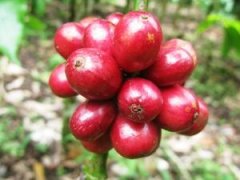
Detailed Analysis of four cultivation Systems of Coffee in Ethiopia
Forest coffee (Forest Coffee): wild coffee, which accounts for 10% of Ethiopia's national output, is distributed in the wild coffee forest areas of the west and southwest, also known as the Kafa forest. The dense trees here provide the most natural shade for coffee trees and do not need manual care. Mother Earth is in charge of birth, aging, sickness and death, and coffee farmers can go directly to the woodland to harvest. Hansen
2015-10-22 Ethiopia Coffee four cultivation system detail Analysis Forest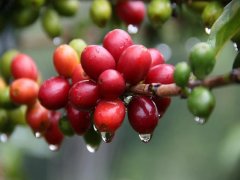
Cultivating "Coffee Mother Tree" in the Netherlands to achieve Coffee Prosperity the History of Coffee in the Middle East
About 16 ⊙○ years ago, the Indian Babudan was infatuated with Middle Eastern coffee and hid seven Yemeni mocha seeds in a hidden bag on his belly to avoid the eyes and ears of Turkish soldiers. After returning to India, he planted coffee beans on Mount Chandragiri Hills in the southwestern state of Kanlataka, outside Babudan's spiritual cave. Due to the climate
2016-03-16 Holland cultivation Coffee Mother Tree Achievement Coffee Prosperity Middle East History India one
Detailed Analysis of four cultivation Systems in Coffee producing areas of Ethiopia
Forest coffee (Forest Coffee): wild coffee, which accounts for 10% of Ethiopia's national output, is distributed in the wild coffee forest areas of the west and southwest, also known as the Kafa forest. The dense trees here provide the most natural shade for coffee trees and do not need manual care. Mother Earth is in charge of birth, aging, sickness and death, and coffee farmers can go directly to the woodland to harvest. Hansen
2015-12-25 About Ethiopia coffee producing areas four cultivation system detailed analysis
Detailed analysis of forest and semi-forest system of four major cultivation systems of Ethiopian coffee
Forest coffee (Forest Coffee): wild coffee, which accounts for 10% of Ethiopia's national output, is distributed in the wild coffee forest areas of the west and southwest, also known as the Kafa forest. The dense trees here provide the most natural shade for coffee trees and do not need manual care. Mother Earth is in charge of birth, aging, sickness and death, and coffee farmers can go directly to the woodland to harvest. Hansen
2015-04-01 Ethiopia Coffee Big four cultivation system detail Analysis Forest
Colombian coffee tree cultivation method in the Andean Mountains
The pure taste of Colombian coffee comes from Colombia's natural environment with the most favorable conditions for coffee growth. But beyond that, it is inseparable from the hard work of local growers. In Colombia, coffee cultivation has reached 1.07 million hectares, there are about 302000 coffee plantations in the country, and 30 to 40 per cent of the rural population depends directly on coffee production. Columby
2016-06-14 Colombia coffee cultivation way Andes mountains pure
The whole process of coffee bean cultivation and growth Coffee tree cultivation
Common questions about coffee bean cultivation: First, what is coffee seed? How are coffee seeds obtained? Coffee seeds, commonly known as coffee with shell dry beans, are coffee seeds that have not been removed from the mesocarp and silver skin. Coffee seeds are divided into Arabica seeds and Robusta seeds. The picture shows coffee green beans available for consumption. They are also two major commercial large-scale cultivation.
2015-02-11 coffee beans grow long whole process coffee about common
The main cultivated areas of coffee trees in Colombia introduce the coffee producing areas in the Andes.
The planting environment edits Colombia's suitable climate to provide a real natural pasture for coffee. Coffee trees in Colombia are mainly cultivated in the Andes, on steep slopes about 1300 meters above sea level, where the annual temperature is about 18 degrees Celsius, annual rainfall is 2000 to 3000 mm, latitude 1-11 15 north and longitude 72-78 west. The specific range of elevation can be exceeded.
2016-07-19 Colombia Coffee main cultivation region introduction Andes Mountains producing areas
Cultivation techniques of small-grain Coffee integral pruning of Coffee trees
Single trunk shaping is a method of cultivating a trunk, using the primary branch as the backbone branch and the secondary and tertiary branches as the main fruiting branch. Single-stem plastic surgery usually takes the measure of removing the top to remove the terminal bud and promote the growth of branches. ① one-time topping method: when the coffee tree is 1.5-1.7 meters high, cut off the terminal bud. There are also those who reached the top at 1.8 to 2.2 meters high. ② multiple topping method: score
2015-02-16 Small grains coffee cultivation techniques shaping pruning solo plastic surgery cultivation one main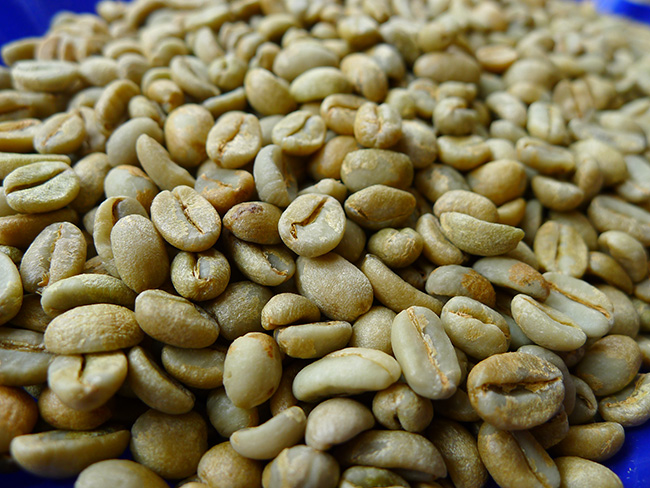
The cultivation of coffee beans the history of coffee beans the cultivation of raw coffee beans
Coffee raw beans are the seeds of coffee trees. It is the wealth hidden in coffee cherries (coffee berries) that people usually call coffee cherries. They are mistakenly called beans because they are similar to the beans we usually see, but they are actually the seeds of coffee. There are usually two flat oval coffee beans in the coffee berries, and a small number of coffee berries
2016-03-21 Coffee beans planting coffee raw beans history seeds people usually
Coffee tree history coffee morphological characteristics coffee cultivation techniques
Coffee tree is a shrub or small tree of Rubiaceae; leaves opposite, leathery, long oval; every March, branches will emerge white flowers, petals spiral arrangement, flower center around the petals jump, a closer look, really like childhood play with the small windmill, issued bursts of jasmine fragrance; fruit is oval, berry, dark red, hidden two seeds, that is, we are familiar with coffee
2016-05-26 coffee history morphological characteristics cultivation techniques
Cultivation techniques of small Coffee Irrigation and fertilization of Coffee trees
Irrigation of coffee planting areas in Yunnan Province can be divided into rainy season and dry season. Irrigation in the dry season, especially in the flowering period, can ensure the normal growth and flowering of coffee plants, improve the fertility rate, and achieve high yield. Fertilization is one of the key measures to obtain high yield of cultivated coffee. According to the data, for every kilogram of dried beans harvested, coffee trees have to come from the soil.
2015-02-16 Small grains coffee cultivation techniques irrigation fertilization Yunnan Province planting areas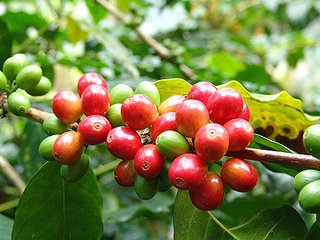
Coffee cultivation and cultivation Coffee cultivation techniques and techniques Introduction to the process of coffee green beans cultivation
(a) seedling propagation coffee seedling propagation can be divided into seed propagation and asexual propagation. 1. Seed propagation (1) Seed collection, seed washing and seed storage In the mature period of coffee (the mature period of medium seed coffee in Hainan Island is 2~3 months, and the mature period of small seed coffee is 9~11 months), fully mature fruits are picked from healthy and high-yield mother trees to make seeds. After the fruits are picked, peeling and seed washing are carried out immediately.
2016-01-22 coffee planting cultivation cultivation techniques techniques introduction green beans process
Detailed Analysis of four cultivation Systems of Ethiopian Fine Coffee
According to the following four different modes of production, Ethiopian coffee can be divided into nine major coffee producing areas, including five boutique coffee areas: Sidamo, Yegashefi, Harald, Lim and Lekampidi, and four general commercial bean producing areas: Gemma, Irugbagbo, Tibby and Bekaa. The sun or water washing methods are used in each district, and different treatment methods also affect the flavor.
2015-11-27 Ethiopia boutique coffee big four cultivation system detail analysis
The cultivated varieties of Coffee Tree: small seed and large seed
3. Cultivated varieties (1) small seed species (2) large grain species Coffea belongs to Rubiaceae, Coffea belongs to perennial evergreen shrubs or small trees, there are about 90 species. At present, there are small seed species (Arabian species), medium grain species (Gaffra species) and large grain species (Liberian species) cultivated in Hainan. (1) small seed species: also known as Arabian species, native to Ethiopia, evergreen shrubs. The plant is small, 4cm high and 5m high
2015-10-07 Coffee cultivation variety small grain large grain
Geographical distribution of coffee bean producing areas and planting techniques of coffee trees
Geographical distribution editors the paradise of coffee growth is mostly located in countries with alpine terrain between the Tropic of Cancer. It is native to tropical Africa and is introduced and cultivated in South and Southwest China. [2] the cultivation technology editor requires that the origin of the coffee tree [4] is in Ethiopia in Africa. In botany, the coffee tree belongs to the evergreen tree of the coffee subgenus of Rubiaceae, and the so-called coffee beans are actually
2016-06-07 Coffee beans origin geographical distribution coffee planting technology editing
Pictures of coffee trees how to cultivate and maintain coffee trees
Pictures of coffee trees, how to cultivate and maintain coffee trees. Coffee tree belongs to the evergreen family of Akanaceae, which is an evergreen shrub or small tree. Mainly grows in the tropical area belongs to the tropical plant, its cold tolerance is poor, is not suitable to grow in the cold climate environment. About 20 ℃ is the most suitable temperature range for coffee trees to grow. Coffee tree, which is a horticultural cash crop in the market, is green.
2015-11-05 Coffee pictures how farming conservation coffee
The geographical distribution of coffee trees how would you like your latte coffee foam to be beaten?
Coffee grows mostly in countries with alpine terrain between the Tropic of Cancer and the Tropic of Cancer. It is native to tropical Africa and is introduced and cultivated in South and Southwest China. [2] the cultivation technology editor requires that the origin of the coffee tree [4] is in Ethiopia in Africa. In botany, the coffee tree belongs to the evergreen tree of the coffee subgenus of Rubiaceae, and the so-called coffee bean is actually the fruit of the coffee tree.
2016-06-06 Coffee geographical distribution latte milk foam beaten what kind coffee long promised land
Cultivation techniques of small-grain coffee: irrigation and fertilization
Fertilization is one of the key measures for high yield of cultivated coffee. According to the data, for every 1 kg of dried beans harvested, coffee trees absorb 70 grams of nitrogen, 14 grams of phosphorus and 76 grams of potassium from the soil.
2014-06-17 Coffee knowledge small grain coffee coffee cultivation techniques