“coffee seedling sowing” search results (88)

The History of Coffee introduction and expansion in China in the early stage (5)
1. From the first peak period of the development of China's coffee industry (1952-1961) to the late 1940s, according to recorded figures, there are 2173.33 hectares of rubber plantations in Hainan Island, with a total of 867600 rubber trees, with an annual output of 199,000 tons of dry rubber, and more than 300,000 coffee plants. the annual output of coffee beans is 1 ton. According to a survey in the early 1950s, there was a large amount of coffee left in Fushan area of Chengmai County, with a total of 70,000.
2014-12-01 Coffee History Common sense early China introduction expansion planting Industry
Why is Blue Mountain Coffee so special?
The best planting premise in the world Jamaica's weather, geological agency and formation together provide a unique ambition. The designated Jamaican Blue Mountain Coffee can only be grown in the Blue Mountain area, north-east of the island of Jamaica in Kingston. Coffee grows on a mountain with a maximum height of 1800 meters (less than 6000 feet), which used to be high for small seeds, and
2015-09-09 Why Blue Mountain coffee so special
A preliminary study on the Origin, Development, spread and Beverage Culture of Coffee
Coffee, tea and cocoa are the three major beverages in the world, which are consumed by about LM people all over the world, and their consumption is second only to drinking coffee in Europe and the United States. Coffee consumption is also becoming more and more popular in China and other eastern countries. However, in Chinese academic circles, there are no papers and monographs on coffee from the perspective of agricultural history and custom history.
2014-10-13 Coffee culture coffee origin coffee development coffee dissemination
History of introduction and expansion of Coffee in China in the early stage of Coffee Development (5)
1. From the first peak period of the development of China's coffee industry (1952-1961) to the late 1940s, according to recorded figures, there are 2173.33 hectares of rubber plantations in Hainan Island, with a total of 867600 rubber trees, with an annual output of 199,000 tons of dry rubber, and more than 300,000 coffee plants. the annual output of coffee beans is 1 ton. According to a survey in the early 1950s, there was a large amount of coffee left in Fushan area of Chengmai County, with a total of 70,000.
2015-03-09 China coffee development course early stage introduction expansion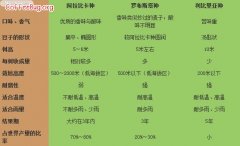
The basics of coffee beans
Coffee belongs to the evergreen shrub of the genus Rubiaceae, which is centered in the tropics. There are about 6000 species of Rubiaceae belonging to 500 genera. Coffee has always been thought to have certain effects, such as strengthening the stomach, waking up the brain, stopping bleeding, dissipating heat, strengthening the body, and so on. The more famous Rubiaceae plant is Gardenia jasminoides, whose fruit was dried and used as medicinal material a long time ago.
2014-08-18 Coffee knowledge coffee bean knowledge coffee encyclopedia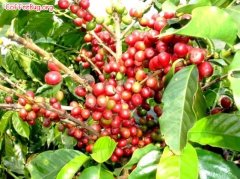
The basic knowledge of coffee beans coffee three original species introduction
Coffee belongs to the evergreen shrubs of the genus Coffee of Rubiaceae, centered in tropical regions, with about 500 genera and 6000 species of Rubiaceae plants distributed here. Coffee has long been thought to have certain medicinal effects, such as invigorating stomach, refreshing mind, stopping bleeding, dissipating heat, strengthening body, etc. More famous Rubiaceae plants and gardenia, its fruit has long been dried as medicine
2015-10-26 coffee beans basics coffee three native introduction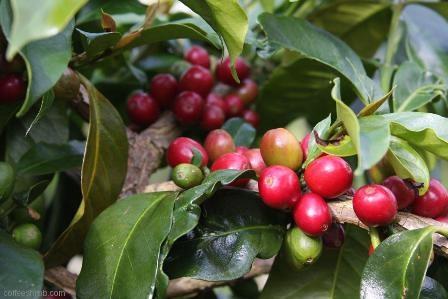
Coffee Variety Daquan | introduction of ancient coffee varieties, introduction of native and mutant species and special flavor
Coffee has more than a hundred varieties of coffee, the more common coffee are: Arabica Arabica, outstanding personality, unique flavor, is the main force of boutique coffee, mainly used for coffee shop management and high-end coffee market supply; Robusta Robusta, rough flavor, high caffeine content, not boutique coffee, often used for instant coffee processing and Italian coffee mixed beans. Ethiopia Typi
2016-04-22 SCAA old coffee variety introduction Ethiopia Typica
The types of coffee beans all over the world introduce the treatment of taste and flavor.
The world's largest producer of high-quality coffee, traditional deep-roasted coffee has a strong and memorable taste. Colombian coffee is one of the few original coffee sold in the world under the name of the country, which is the world's largest exporter of Arabica coffee beans. Rich in nutrients, some with nutty flavor. It is often described as having a silky taste. Of all the coffee
2016-06-02 The world coffee beans species introduction taste flavor processing way the world