“coffee fruit planting” search results (6000)

Planting requirements and conditions of Coffee trees
The origin of the coffee tree is Ethiopia in Africa. In botany, coffee trees belong to the evergreen trees of the subgenus Rubiaceae, and coffee beans, commonly known as coffee beans, are actually the seeds of the fruit of coffee trees. They are called coffee beans only because they are shaped like beans. Climate is the decisive factor for coffee cultivation. Coffee trees are only suitable for growing in the tropics or subtropics, so latitude 25 degrees south and north.
2014-08-01 Coffee planting peace conditions coffee origin Africa Ethiopia plants
Cultivation techniques of small Coffee Irrigation and fertilization of Coffee trees
Irrigation of coffee planting areas in Yunnan Province can be divided into rainy season and dry season. Irrigation in the dry season, especially in the flowering period, can ensure the normal growth and flowering of coffee plants, improve the fertility rate, and achieve high yield. Fertilization is one of the key measures to obtain high yield of cultivated coffee. According to the data, for every kilogram of dried beans harvested, coffee trees have to come from the soil.
2015-02-16 Small grains coffee cultivation techniques irrigation fertilization Yunnan Province planting areas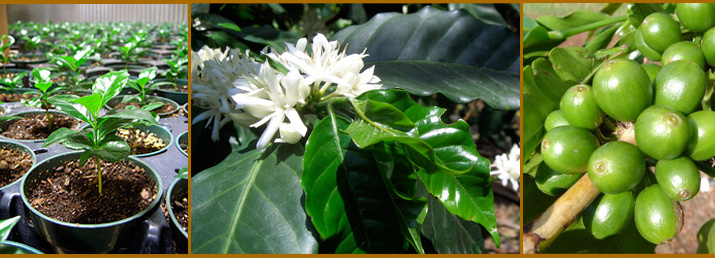
How to grow coffee? what conditions do you need to grow coffee trees? How are coffee trees planted?
What conditions do you need to grow coffee trees? Coffee is a perennial evergreen shrub or small tree of Rubiaceae. It is a horticultural perennial cash crop with the characteristics of fast growth, high yield, high value and wide market. Wild coffee trees can grow to a height of 5 to 10 meters, but coffee trees planted on the manor are often cut to a height of less than 2 meters in order to increase the amount of fruit and facilitate harvesting. Coffee
2016-03-24 How grow coffee need what conditions how
Introduction to the Manor Price of Flavor planting Environment in the producing area of Rwanda Coffee with strong Flavor
The taste of Rwandan coffee is described as a grassy aroma with tropical climates. in addition to the sweetness of fruit, this coffee also gives people a feeling of freshness, clarity, and freshness. Bourbon coffee grown in Rwanda is amazing for its sweet fruit, full-bodied, unrestrained and lingering aftertaste. This kind of coffee is delicious
2016-09-19 Aroma rich Rwanda coffee variety producing area flavor planting environment manor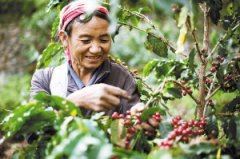
Chinese coffee boutique coffee Yunnan coffee
The best way to harvest high-quality coffee beans is to harvest them manually. That is, only mature coffee fruits are picked to prevent coffee fruits with inconsistent maturity from being picked at the same time. Because those unripe and overripe fruits will affect the balance and stability of coffee taste, boutique coffee needs to be picked frequently and carefully during harvest. The west and south of Yunnan Province are located in the northern latitude.
2016-05-25 China coffee boutique Yunnan coffee beans harvest way best adopt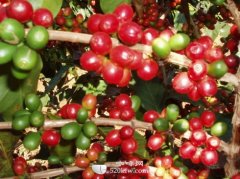
Introduction of Coffee Encyclopedia on Plant growth of Coffee
The coffee tree is an evergreen tree with small white flowers and green fruit that does not turn red until it is ripe. A normal coffee tree can usually grow to a height of 5 to 10 meters, but bean farmers often prune it to less than 2 meters for harvest convenience. After flowering, there are many dark green oval fruits, and the mature fruits change from dark green to bright red, due to the color and cherry.
2014-09-15 Coffee knowledge coffee encyclopedia coffee trees coffee flowers
Introduction to the description of varieties and flavors of Kam Chu Valley Coffee in Kenya with Fruit Flavor
China Coffee Network Kenya there are two types of coffee farms in Kenya. One is a large planting farm covering more than five acres, but the average elevation is low. In the case of Kenyan Coffee, the coffee beans of the big farm are of medium quality. The best Kenya beans are produced in small farms, most of which are located in the foothills or volcanic slopes above 5,000 to 6,000 feet. Each small farmer has only 20 to 7 production capacity per season.
2016-09-18 With fruit flavor Kenya Jinchu coffee producing area variety description introduction
Types and varieties of coffee
Coffee is a plant of the genus Coffea genus of Rubiaceae. According to the study of Chevalier,1947, there are 66 species in four groups, including 24 species in Eucoffea group, 18 species in Mascarocoffea group, 13 species in Paracoffea group and 11 species in Argocoffea group.
2014-07-22 Coffee knowledge coffee type coffee encyclopedia
The planting temperature of coffee tree is between 15 degrees and 25 degrees.
The origin of the coffee tree is Ethiopia in Africa. In botany, coffee trees belong to the evergreen trees of the subgenus Rubiaceae, and coffee beans, commonly known as coffee beans, are actually the seeds of the fruit of coffee trees. They are called coffee beans only because they are shaped like beans. Climate is the decisive factor for coffee cultivation. Coffee trees are only suitable for growing in the tropics or subtropics, so latitude 25 degrees south and north.
2015-10-07 Coffee planting condition temperature between 15 degrees -25 degrees between coffee
Introduction of Bolivian Coffee producing areas with unique planting Environment
The overall taste of Bolivian coffee is rich and balanced, the aroma is rich and unique, similar to the mixture of flower and fruit aroma, impressive. The perennial low temperature environment makes the coffee fruit grow slowly, compact enough, the aroma is also charming, the floral aroma is obviously medium and low acidity, but the feeling is not monotonous, on the contrary, it appears soft and fresh, with the sour taste of citrus fruit. Because of Bolivie
2016-06-27 Youde Tiandu thick planting Environment Bolivia Coffee producing area introduction
What are the kinds of coffee beans?
Coffee species Editing Plant Classification Coffee beans Coffee trees belong to Rubiaceae evergreen trees, Rubiaceae plants have been dominated by plants with special effects since ancient times, quinine trees, which are regarded as specific drugs for malaria, and Dugen, which is used to treat amitoeba dysentery. Coffee is defined as the most unique alkaloid drinking flora. The fruit of coffee is made up of outer skin, pulp, endocarp and silver skin.
2016-06-05 Coffee beans categories what coffee species editors plants classification coffee beans trees
Types and varieties of coffee
Coffee is a plant belonging to the genus Coffea in the Rubiaceae family. According to Chevalier (1947), the genus Coffea is divided into four groups with 66 species, including 24 species in Eucoffea group, 18 species in Mascarocoffea group, 13 species in Paracoffea group and 11 species in Argocoffea group
2014-07-04 Coffee knowledge coffee types coffee varieties coffee encyclopedia
Ethiopian Sidama Lion King Flavor Description Grindness Characteristics Variety Taste Treatment Introduction
during the harvest period, the farmers harvest bright red fruits every day. every two days, the fruits are harvested into a unit and sent or sold to a washing plant for treatment. the coffee fruits that have not been through the water treatment plant will usually undergo natural fermentation for about 12 hours, and then they will be exposed to sunlight for drying and shelling. in any case, the farmers with some ability will always try their best to send them to the water treatment plant for treatment.
2016-10-21 Ethiopia Dharma Lion King Flavor Description Grind Characteristics Variety Taste
Floral fragrant Panamanian Kasha Coffee Manor flavor and taste characteristics of Panamanian coffee
Casa Louis Manor, Panama, founded in 1920, is located in the Boqui specialty area of Mount Baru, located in the Poquet Valley of the Balu Volcano in northwestern Panama. After three generations of coffee planting experience, the family combines more than 300 local small family farms, small farm coffee farmers join partners from planting, post-processing, baking and marketing, unlike only
2016-08-10 Flower fragrance fragrance Bana Marca coffee manor producing area flavor taste characteristics
The name of coffee comes from what is the planting environment of coffee trees in coffee manor
Every country has its own coffee estate, and no one farm produces coffee varieties that are different from the planting conditions of coffee trees, but not all the land located in this area can produce good coffee trees. The ideal planting conditions for coffee trees are: a warm climate with a temperature of 15-25 ℃, and a rainfall of 1500-2000 mm throughout the year.
2016-05-27 Coffee name origin manor which planting environment each country all have
The planting conditions of high-quality coffee beans and common sense coffee trees
The origin of the coffee tree is Ethiopia in Africa. In botany, coffee trees belong to the evergreen trees of the subgenus Rubiaceae, and coffee beans, commonly known as coffee beans, are actually the seeds of the fruit of coffee trees. They are called coffee beans only because they are shaped like beans. Climate is the decisive factor for coffee cultivation. Coffee trees are only suitable for growing in the tropics or subtropics, so latitude 25 degrees south and north.
2015-02-25 Boutique coffee beans common sense coffee planting conditions origin Africa Egypt
What natural conditions do coffee trees need to grow?
The planting conditions of coffee trees the origin of coffee trees is in Ethiopia, Africa. In botany, coffee trees belong to the evergreen trees of the subgenus Rubiaceae, and coffee beans, commonly known as coffee beans, are the seeds of the fruit of coffee trees, just because they are shaped like beans, so they are called coffee beans. Climate is the decisive factor for coffee cultivation, and coffee trees are only suitable for growing in the tropics or subtropics.
2016-06-12 Coffee planting need what natural conditions coffee conditions origin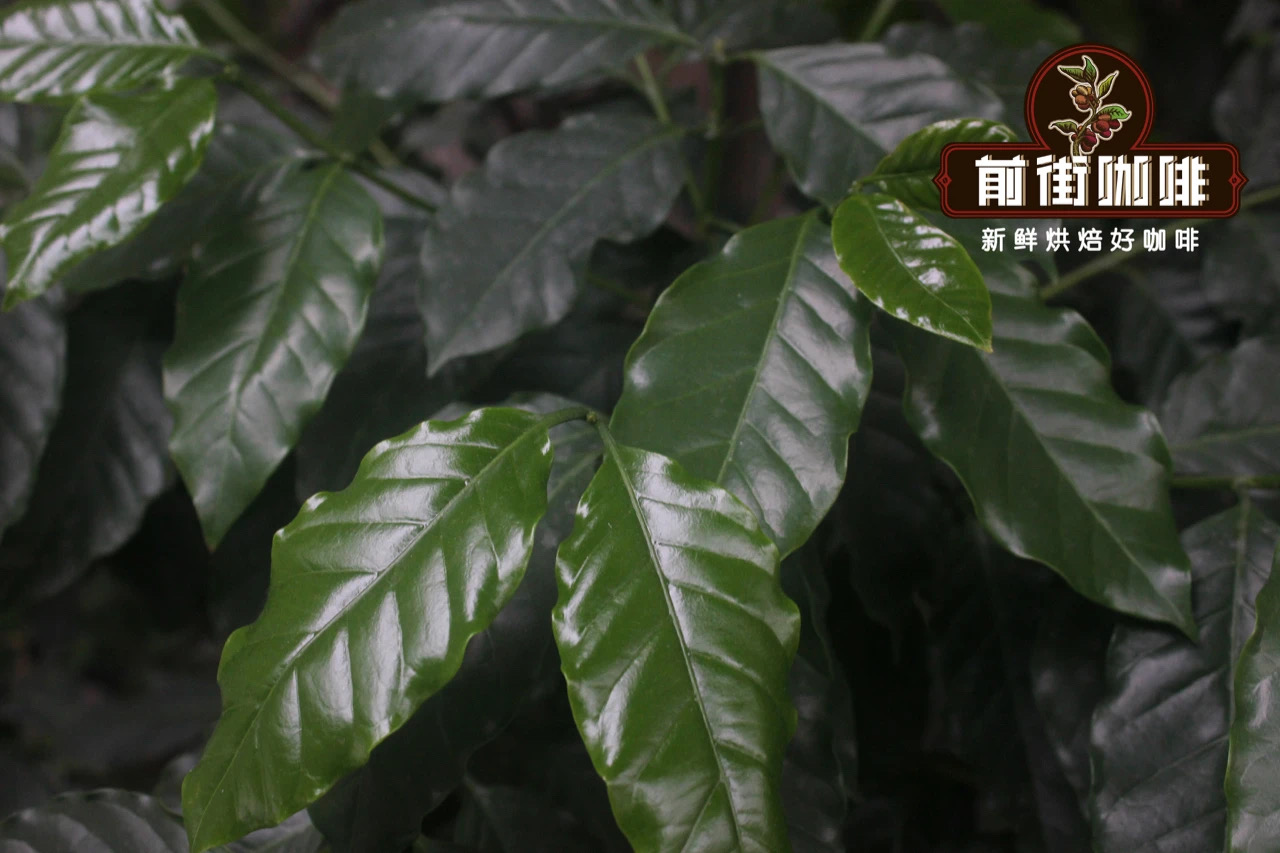
Katim Coffee Bean Historical Story the characteristics of hand-made flavor introduce the output of Yunnan boutique coffee bean varieties
The field management measures are suitable for the management of general small-grain coffee. Propagation method: adopt seed propagation, select 5-year-old fine mother tree, harvest fully mature, fruit shape is normal, full, size is basically the same, with two-seed fruit as seed, using sand bed to promote germination, plastic bag seedling. The annual average temperature of the selected forest land is 1921 ℃, and the accumulated temperature of 10 ℃ is more than 6800 ℃.
2016-10-17 Tim coffee beans characteristics belong to what variety taste introduction field
Introduction to the Development History of cultivation and planting techniques for Coffee seedlings
Coffee planting technology introduces the origin of coffee trees in Ethiopia in Africa. In botany, coffee trees belong to the evergreen trees of the subgenus Rubiaceae, and coffee beans, commonly known as coffee beans, are the seeds of the fruit of coffee trees, just because they are shaped like beans, so they are called coffee beans. Climate is the decisive factor for coffee cultivation, and coffee trees are only suitable for growing in the tropics or subtropics.
2016-10-19 Coffee saplings how cultivation planting technology development history introduction coffee
Coffee beans Coffee Tree Coffee Tree Coffee Bean
Classification of plants Coffee beans Coffee trees belong to the evergreen tree of Rubiaceae. Rubiaceae plants have been dominated by plants with special effects since ancient times, such as quinine tree, which is regarded as a specific drug for malaria, and Dugen, which is used to treat amoeba dysentery. Coffee is defined as the most unique alkaloid drinking flora. The fruit of coffee consists of outer skin, pulp, endocarp, silver skin, and the above-mentioned layers.
2016-06-27 Coffee beans coffee types classification introduction boutique plants coffee beans