“coffee cultivation process” search results (4000)

Introduction to the characteristics of Burundian Coffee Variety producing area
Londi Coffee bears a striking resemblance to neighboring Rwanda, where coffee from the two countries is often confused. Burundian coffee is mainly grown in bourbon, with traditional wet processing of coffee cherries. Its boutique coffee is characterized by elegant sweetness and bright citrus aromas. Burundi is a small landlocked country located on the border between eastern and central Africa.
2016-09-21 Burundian coffee flavor variety producing area characteristics boutique coffee beans introduction long
The basics of coffee cultivation
What is coffee? Coffee is the fruit of a Rubiaceae plant growing about 6000 feet above sea level, distributed on the world's narrow subtropical axis; coffee trees grow green all the year round and can grow up to 20 feet tall, and are generally controlled at 8 to 10 feet for easy harvest.
2014-06-17 Coffee knowledge coffee cultivation coffee encyclopedia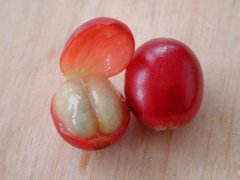
Tanzanian boutique coffee Kilimanjaro and Meru mountain barista coffee tree cultivation
From Kenya further south into Tanzania, Tanzanian coffee is a member of the East/Central African coffee family, most of which are washed beans, so it usually tastes bright and has a strong aroma. Tanzanian coffee definitely has the strength to compare with neighboring Kenya. However, the country's coffee quality control is not strict, and many of the sloppy processing processes often destroy the coffee classification into AA and A grades.
2016-07-07 tanzania boutique coffee kili maza roshan mountain meru cultivation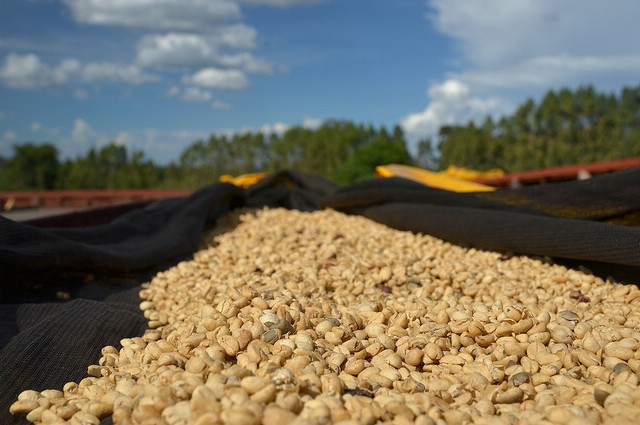
Royal Coffee processing Plant in St. Roman, a country grown in Central America, Tarazu, Costa Rica.
Costa Rican coffee cultivation was introduced by Cuba in 1779 and exported for the first time in 1820. There are about 32000 coffee farmers, with an average planting area of less than one hectare (10000 hectares) per farmer. Costa Rica has a population of 41 billion (2006), with a coffee planting area of 82500 hectares and an annual production of 1.7 million bags (60kgs per bag). The annual domestic consumption is 380000 bags.
2016-03-25 Central America planting country Costa Rica Tara producing area Roman processing Plant Emperor
The importance of cultivating beans after roasting Coffee Powder Fine Coffee beans
Each coffee bean contains about 200000 individual cells, each of which operates like a tiny pressure vessel, like a small reaction device. In the early stage of roasting, the moisture in the raw beans dissipates quickly, and the living water in the coffee begins to evaporate. With the increase of the temperature of coffee beans, the evaporation of water will put pressure on the cell wall. In this process, water plays a leading role, and the oil in coffee.
2016-07-20 Coffee roasting beans importance coffee powder boutique coffee beans each
Introduction to cultivation techniques of Coffee Fruit
Cultivation techniques require that the origin of coffee trees [4] is in Ethiopia in Africa. In botany, coffee trees belong to the evergreen trees of the subgenus Rubiaceae, and coffee beans, commonly known as coffee beans, are actually the seeds of the fruit of coffee trees. They are called coffee beans only because they are shaped like beans. Climate is the decisive factor for coffee cultivation, and coffee trees are only suitable for growing in the tropics or subheat.
2016-06-13 Coffee fruit cultivation techniques introduction requirements coffee origin non-
The cultivation process of Coffee
The way of harvesting coffee varies from place to place, which is mainly divided into hand picking method and shaking method. Of course, it is ideal to pick the ripe red fruit carefully with your hands, and in fact, the issue of efficiency must also be considered.
2014-07-04 Coffee knowledge coffee cultivation process coffee encyclopedia
Geographical Distribution cultivation techniques of Coffee trees
Coffee grows mostly in countries with alpine terrain between the Tropic of Cancer and the Tropic of Cancer. It is native to tropical Africa and is introduced and cultivated in South and Southwest China. [2] the cultivation technology editor requires that the origin of the coffee tree [4] is in Ethiopia in Africa. In botany, the coffee tree belongs to the evergreen tree of the coffee subgenus of Rubiaceae, and the so-called coffee bean is actually the fruit of the coffee tree.
2016-06-08 Coffee geographical distribution cultivation techniques coffee long promised land mostly located in Beihui
Geographical Distribution cultivation techniques of Coffee trees
Coffee grows mostly in countries with alpine terrain between the Tropic of Cancer and the Tropic of Cancer. It is native to tropical Africa and is introduced and cultivated in South and Southwest China. [2] the cultivation technology editor requires that the origin of the coffee tree [4] is in Ethiopia in Africa. In botany, the coffee tree belongs to the evergreen tree of the coffee subgenus of Rubiaceae, and the so-called coffee bean is actually the fruit of the coffee tree.
2016-06-08 Coffee geographical distribution cultivation techniques coffee long promised land mostly located in Beihui
Kenya Coffee Origin Ethiopia
Kenya is bordered to the north by Ethiopia, the origin of Arabica coffee trees, but it was not until the beginning of the 20th century that coffee cultivation began. In the 19th century, missionaries introduced Arabica trees from the leaves, but did not plant them in large quantities. It was not until 1893 that coffee was cultivated on a large scale because of the introduction of Brazil's ancient bourbon seeds. That is to say, Kenyan coffee is of Brazilian origin, because of water.
2016-06-14 Kenya coffee origin lichen Pia north neighbor rabbi original
The requirements of geographical environment for the cultivation techniques of coffee trees
The cultivation technology editor requires that the origin of coffee tree [4] is in Ethiopia in Africa. In botany, coffee trees belong to the evergreen trees of the subgenus Rubiaceae, and coffee beans, commonly known as coffee beans, are actually the seeds of the fruit of coffee trees. They are called coffee beans only because they are shaped like beans. Climate is the decisive factor for coffee cultivation. Coffee trees are only suitable for growing in the tropics or
2016-06-06 Coffee species cultivation techniques geographical environment requirements editors
Introduction of coffee beans and some boutique coffee in the main producing areas of coffee beans in the world (5)
Coffee beans and some boutique coffee in the main producing areas of coffee beans in the world: Australia
2014-06-18 Coffee knowledge coffee bean producing areas boutique coffee
Brazilian yellow bourbon baking method temperature curve Brazil Yellow Bourbon
Brazil yellow bourbon | Brazil Yellow Bourbon generally speaking, the coffee fruit appears red when it is ripe. But the yellow bourbon coffee is yellow. The phrase yellow (yellow: yellow) comes from this. Compared with other coffee trees, the production of yellow bourbon coffee tree is relatively low and its cultivation is very difficult. Yellow bourbon coffee beans will appear bright yellow when they are fully ripe, and will be processed after processing.
2016-05-05 Brazil Huang Bourbon Yellow Bourbon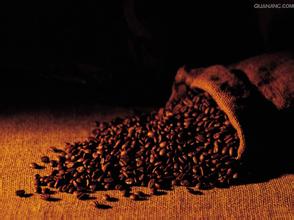
Coffee varieties Coffee growing Coffee harvesting and processing
The weak acid fertile soil under volcanic gestation, obvious dry and wet seasons, high temperature and sufficient precipitation provide excellent conditions for coffee cultivation. Costa Rican coffee is 100% Arabica. In 1989, in a rare move, a national ban on Robusta cultivation was passed, which was extended to boycott cartimor varieties. See more caturra, caturra
2016-05-25 coffee variety planting harvesting treatment volcano incubation acidity fertility soil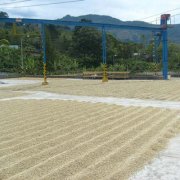
Cultivation of boutique coffee beans in Costa Rica current situation of boutique coffee in Costa Rica
The coffee beans produced at the high latitudes of Costa Rica are famous in the world, full-bodied, mild in taste, but extremely sour. The coffee beans here have been carefully processed, which is why they have high quality coffee. Located in the south of SanJos, the capital of Tarasu, Costa Rica is one of the most valued coffee growers in the country. Tarrazu (Lord of the World)
2016-03-18 Costa Rica boutique coffee beans cultivation coffee status quo Gos Dali Ghosn
The best in coffee
Mellow, mild, soft, sweet and fragrant coffee can not only be the main drink on the table of three meals a day, but also a refreshing thing for leisure drinks.
2014-06-13 Coffee knowledge gourmet coffee coffee encyclopedia
How many coffee growing areas are there in Kenya?
Kenya coffee varieties were first brought to Kenya for cultivation is Bourbon Bourbon, in the 1950s, then agricultural research institutions Scott Laboratory (Scott Laboratory) after unremitting efforts, breeding SL-28, SL-34 two excellent hybrids, subverting the long-term artificial breeding varieties without natural varieties excellent bias. SL-28, SL-34 help Kenya coffee
2016-07-11 Kenya coffee cultivation way variety presentation how much cultivation area
Basic knowledge of coffee cultivation basic knowledge of coffee
What is coffee? Coffee is the fruit of a Rubiaceae plant growing about 6000 feet above sea level, distributed on the world's narrow subtropical axis; coffee trees grow green all the year round and can grow up to 20 feet tall, and are generally controlled at 8 to 10 feet for easy harvest. It takes three to five years for the coffee tree to bear fruit. First of all, it produces small white flowers that resemble jasmine in shape and size.
2015-10-07 Coffee planting basics common sense what coffee growing in altitude
Yunnan coffee leading hot crop characteristic agricultural industry
In recent years, Yunnan has actively promoted the adjustment of agricultural industrial structure and carefully cultivated coffee, tea, vegetables, pseudo-ginseng and other advantageous characteristic industries, among which coffee is an important characteristic industry in Yunnan.
2014-07-14 Coffee News Yunnan Coffee Coffee Industry Characteristic Industry
Cultivation techniques of coffee trees how would you like your latte coffee milk foam to be beaten?
The cultivation technology editor requires that the origin of coffee tree [4] is in Ethiopia in Africa. In botany, coffee trees belong to the evergreen trees of the subgenus Rubiaceae, and coffee beans, commonly known as coffee beans, are actually the seeds of the fruit of coffee trees. They are called coffee beans only because they are shaped like beans. Climate is the decisive factor for coffee cultivation. Coffee trees are only suitable for growing in the tropics or
2016-06-12 Coffee cultivation techniques Editors requirements Origin Africa