“coffee composition” search results (1500)

What is tannic acid? One of the main chemical constituents of coffee beans
Tannin, one of the main chemical components of coffee beans, accounts for about 7% of the total chemical composition of coffee beans. After extraction, tannic acid will turn into a yellowish powder and easily dissolve in water. Once heated, it will decompose to produce pyrosylic acid, making the taste of coffee worse. Because of this, a cup of brewed coffee will lose its taste and taste if it is not drunk immediately.
2015-10-12 What Ning acid coffee beans main chemistry ingredients one
Basic knowledge of roasting Coffee
Roasting: this heat treatment causes significant chemical and physical changes in the structure and composition of raw coffee, causing the beans to darken and emit the characteristic aroma of roasted coffee. 1. The purpose of coffee roasting the main purposes of coffee roasting are: a, aroma; B, to increase the complexity of coffee; C, to obtain color; D, to form a unique flavor of coffee. 2. Coffee roasting
2015-04-23 Coffee roasting basics common sense Roasting this heat treatment
British chemists say the quality of coffee is determined by the quality of water
Hunton says brewing coffee is perhaps the most common chemical extraction process in the world. "different types of water can make coffee beans taste different, sometimes good and sometimes bad," wrote Hunton, who wrote for the Royal Society School of Chemistry, on the topic of "water". "
2014-06-04 Coffee news coffee production coffee quality
What are the main ingredients of coffee beans?
Caffeine Caffeine is the most striking of all coffee ingredients, with a particularly strong bitter taste. It belongs to a kind of plant xanthine (animal muscle component). Its nature is the same as theobromine contained in cocoa. The theophylline contained in green tea is the same. The percentage of reduction after baking is extremely small. The effect of caffeine is extremely extensive, affecting the human brain, heart, blood vessels,
2016-05-31 coffee main ingredients coffee beans what composition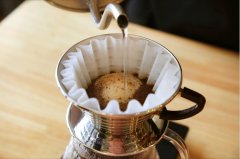
The principle of roasting coffee beans the secret of baking coffee beans
The small, high-altitude raw Arabica coffee beans are like a warehouse full of chemicals. At present, scientists have identified more than 2, 000 known ingredients, of which 70 to 850 are aromatic ingredients, which can be called the most fragrant in the human diet. There are only 150 kinds of vanilla used for seasoning in the catering industry, and the mellow composition of wine is also far away.
2015-10-27 Coffee beans roasting principles secrets small high altitude altitude rabbi coffee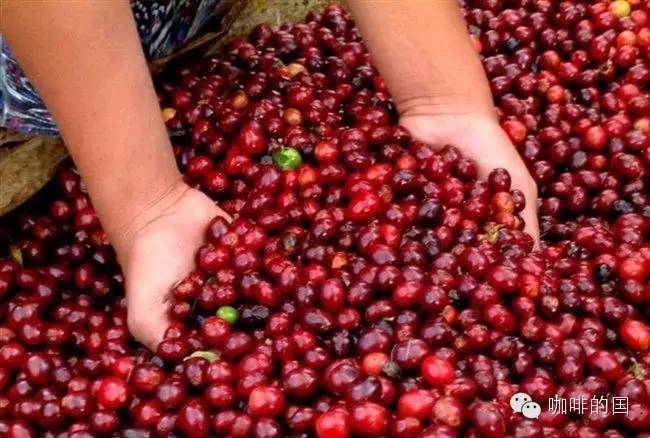
Ethiopia washing G1 Sidamo sidamo Sidamo shakisso producing area Sidamo
The coffee flavor of Sidamo sidamo Sidamo is very diverse, because different soil composition, regional microclimate and countless native coffee varieties make the coffee produced in each urban area have obvious differences and characteristics. Sidamo producing area (Sidama) is located in the south of Ethiopia. The industry here is mainly agricultural, and the coffee growing area is located in the East African Rift Valley (Great Rif).
2016-07-26 Ethiopia Biya Water washing Dharma sidamo Shaquiso shakiss
Filter paper brewing method delicious coffee brewing method
Filter paper brewing method in the heating process, there are few chemical changes, coffee bean composition will not deteriorate, this is one of the brewing methods to make delicious coffee. Brewing with filter paper is not only simple and hygienic, but also convenient for post-treatment. There are many kinds of follicular coffee makers, and the three-hole filter paper brewer is the easiest to buy here. 3 people: medium baking, medium research
2015-05-25 Filter paper brewing way delicious coffee filter paper mode heating process
Boutique coffee Ethiopia Sidamo Sidamo Guji Shakiso Shakisso sun
The coffee flavor of Sidamo is very diverse, because of the different soil composition, regional microclimate and countless native coffee varieties, the coffee produced in each urban area has obvious differences and characteristics. Sidamo producing area (Sidama) is located in the south of Ethiopia. The industry here is mainly agricultural, and the coffee growing area is located around the Great Rift Valley (Great Rift Valley) of East Africa.
2016-05-18 Boutique Coffee Ethiopia Dharma Sidamo Gucci Guji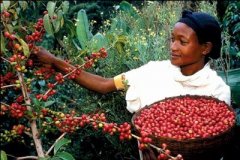
Ethiopian Coffee Sidamo Sidamo Guji Shakiso Shakisso Manor Day
The coffee flavor of Sidamo is very diverse, because of the different soil composition, regional microclimate and countless native coffee varieties, the coffee produced in each urban area has obvious differences and characteristics. Sidamo producing area (Sidama) is located in the south of Ethiopia. The industry here is mainly agricultural, and the coffee growing area is located around the Great Rift Valley (Great Rift Valley) of East Africa.
2016-07-05 Ethiopia Coffee Flavor Dharma Sidamo Gucci Guji
Ten places in the world filled with coffee-different places have different characteristics
Coffee location: Dublin, Ireland, the first sip of Irish coffee, with longing for a long time suppressed by the taste of Irish coffee is a kind of coffee like both wine and coffee, the raw material is Irish Whiskey plus coffee beans, special coffee cup, special cooking method, serious and persistent, ancient and simple. There is a beautiful legend of Irish coffee. It is said that there is a good at Dublin airport.
2015-11-20 World Ten Coffee diffuse place same place different characteristic
The purpose and skill of roasting coffee
Roasting: this heat treatment causes significant chemical and physical changes in the structure and composition of raw coffee, causing the beans to darken and emit the characteristic aroma of roasted coffee. 1. The purpose of coffee roasting the main purposes of coffee roasting are: a, aroma; B, to increase the complexity of coffee; C, to obtain color; D, to form a unique flavor of coffee. 2. Coffee roasting
2015-10-19 Coffee roasting purpose skill Roasting this heat treatment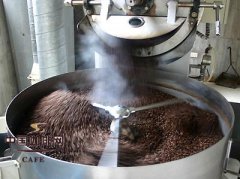
Coffee roasting boutique Coffee Learning Coffee Baking knowledge
Roasting: this heat treatment causes significant chemical and physical changes in the structure and composition of raw coffee, causing the beans to darken and emit the characteristic aroma of roasted coffee. 1. The purpose of coffee roasting the main purposes of coffee roasting are: a, aroma; B, to increase the complexity of coffee; C, to obtain color; D, to form a unique flavor of coffee. 2. Coffee roasting
2015-01-29 Coffee roasting boutique knowledge Roasting this heat treatment
The Coffee Encyclopedia teaches you to identify the types of specialty coffee beans
At present, the most important coffee beans mainly come from two varieties, namely coffeaarabica and coffeacanephore. The former is the so-called arabica growing coffee beans. The latter is also known as robusta to grow coffee beans. The plants, cultivation methods, environmental conditions, appearance, chemical composition and even the processing methods of the subsequent raw beans of the two kinds of coffee beans are different.
2014-09-19 Coffee encyclopedia types of coffee beans
The most complete roasting course of Coffee
Roasting: this heat treatment causes significant chemical and physical changes in the structure and composition of raw coffee, causing the beans to darken and emit the characteristic aroma of roasted coffee. 1. The purpose of coffee roasting the main purposes of coffee roasting are: a, aroma; B, to increase the complexity of coffee; C, to obtain color; D, to form a unique flavor of coffee. 2. Coffee roasting
2015-09-11 Coffee most complete baking tutorials way roasting Roasting
The difference between a cappuccino and a latte
The difference between a Cappuccino and a Latte recently at least five students in class asked me the same question: what's the difference between a cappuccino and a latte? Today, I will thoroughly analyze this problem with you. First of all, I would like to correct a problem: Latte. The word Latte is Italian and literally translates to mean milk.
2014-08-14 Cappuccino latte coffee encyclopedia
Roasting baking
The average chemical composition of raw coffee beans is as follows: water 12%, nitrogen 12%, fat 12%, sugar and dextrin (dextrine) 10%, other non-nitrogen substances 18%, dust 4%, tannin 6.7%, caffeine 1.2%, coffee essential oil 0.1%. Of course, these data are not fixed, and the quantity of some of these ingredients varies greatly, which is why each kind of coffee is so different.
2014-07-04 Roasted coffee beans primitive coffee beans common sense of coffee beans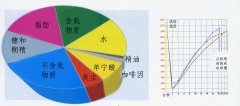
About baking
The average chemical composition of raw coffee beans is as follows: water 12%, nitrogen 12%, fat 12%, sugar and dextrin (dextrine) 10%, other non-nitrogen substances 18%, dust 4%, tannin 6.7%, caffeine 1.2%, coffee essential oil 0.1%. Of course, these data are not fixed, and the quantity of some of these ingredients varies greatly, which is why each kind of coffee is so different.
2014-08-04 Coffee knowledge coffee roasting coffee encyclopedia
Very typical mocha flavor Harald (Harar) production area jasmine strong chocolate smell
The coffee producing areas of Ethiopia are Hidamo, Harald and Sidamo, Harrar and Yirgacheffe. Sidamo and Harrar are provinces and divisions. Sidamo is located in the south of Ethiopia bordering Kenya, and Harrar borders Somalia in the east of Ethiopia. Although Yirgacheffe is a community in the Sidamo region, due to soil composition and water content and other reasons.
2016-07-15 Very typically Mocha Flavor Harald Rahl Harar producing area Mo
Roasting roasted coffee
The average chemical composition of raw coffee beans is as follows: water 12%, nitrogen 12%, fat 12%, sugar and dextrin (dextrine) 10%, other non-nitrogen substances 18%, dust 4%, tannin 6.7%, caffeine 1.2%, coffee essential oil 0.1%. Of course, these data are not fixed, and the quantity of some of these ingredients varies greatly, which is why each kind of coffee is so different.
2014-09-28 Roasted coffee of coffee roasted coffee beans
Brilliant Coffee utensils about Bone porcelain Cups
We drink coffee during coffee training or on a daily basis, and sometimes we come into contact with bone china cups. So what's the matter with the bone china cup? How much do you know about bone porcelain cups? The composition of the bone porcelain cup is made of 25% bone powder and 75% high-grade porcelain clay, which is characterized by light texture (weight), strong light transmittance, soft color and high density (fragile, easy to clean) and high temperature resistance (good thermal insulation). The method of discrimination when selecting is
2014-11-22 Coffee knowledge boutique coffee coffee utensils bone porcelain cups