“classification” search results (3158)

Methods and principles of coffee roasting Classification and stages of fried culture
The raw coffee beans are fried to make the coffee beans show a unique coffee color, aroma and taste. The most important thing of frying and baking is to be able to stir-fry the inside and outside of the beans evenly without overscorching. 80% of the taste of coffee depends on roasting, which is the most important and basic condition for making good coffee. The basic principle of ● fried culture the most important thing is to be able to stir-fry the inside and outside of the beans evenly.
2015-09-21 Coffee roasting methods principles fried culture classification stage coffee beans showing
Coffee Raw Bean sieve grading Table (SCREEN SIZING)
Coffee is produced in more than 50 countries in the world, and different standards of raw bean classification have been derived, of which the most basic common classification method is the Screen Sizing classification method based on the particle size of raw coffee beans. The raw beans to be graded are put into the sieve plate and shaken continuously. Only the raw beans whose particles are larger than the pore diameter are retained, and the rest fall down.
2015-11-03 Coffee raw beans sieve grading SCREEN SIZING the world
Grading and classification of coffee beans
Coffee beans are graded first by size and then by density. With two exceptions, all coffee beans have a considerable size and the same proportion, with flat on one side and semi-oval on the other. The special cases are pea-shaped coffee beans that tend to be more oval in shape and giant coffee beans with large particles (that is, Marragol peel coffee beans). The prices of these two kinds of coffee beans are always higher.
2015-03-24 Coffee beans grading classification coffee beans first press size then density score
Classification description of coffee roaster
Direct fire type, semi-direct fire type (semi-hot air type) and hot air type direct fire type: at present, it is recognized as the model that can most cause the original flavor of coffee among the roasting utensils. Its source of fire has direct contact with coffee beans, so it can produce a better flavor of coffee beans. However, its baking process has a great impact on the finished product, so the roaster must have a certain foundation, but this type of machine is also more capable of making.
2014-09-09 Coffee knowledge coffee roaster roaster classification
A variety of tropical fruits have rich aromas. Ethiopian 90+levelupDerar Ela de Riera flowers
Boutique coffee (specialty coffee) is also called specialty coffee selection coffee. It refers to coffee made from a small number of raw beans with excellent taste grown in an ideal geographical environment. Depending on the special soil and climatic conditions in which they grow, they have outstanding flavor. After strict selection and classification, this kind of coffee is hard in texture, rich in taste and stylish.
2016-06-29 Variety tropical fruits rich aroma Ethiopia 90+levelup
On the grading of raw coffee beans
The last step in the processing of raw coffee beans is grading, so what are the grading methods of raw coffee beans? Do different countries adopt the same approach? At present, there are three main rating criteria for raw coffee beans, and different countries adopt different rating methods according to their own production conditions and national conditions (not all coffee producing countries adopt the same method).
2014-09-02 Coffee raw bean grading
Coffee beans Basic knowledge Coffee classification
If there are two cafe owners in the discussion, A shop owner said: we use coffee beans in Brazil Santos NO.2, your shop? B shopkeeper said: We shop with the Blue Mountain NO.1 with the same level of Brazil NO.1. Brazil uses a point-deduction method to evaluate the quality of the beans. The beans are graded according to the number of defective beans in every 300 grams of main beans. The grades are divided into seven levels from NO.2 to NO.8. If the points are less than 4,
2015-04-13 coffee beans basics common sense coffee grading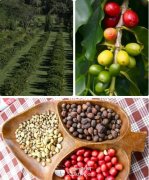
Coffee Common sense Coffee Special Classification system
Special classification system of coffee: 1. Subgenus Coffea: 2. Malagasy coffee subgenus: 3. Subgenus Pala Coffee: 4. Age coffee subgenus: a, red coffee group: B, thick-skinned coffee group: C, Mozambican coffee group: d, black fruit coffee group E, dwarf coffee group: red fruit coffee group: a) Arabica species: Tibica varieties: (Tp)
2014-09-15 Coffee knowledge coffee common sense coffee classification
Introduction to the main producing countries and classification of coffee
Coffee trees in the main coffee producing countries are very similar to laurel and usually grow in the area between the Tropic of Cancer and the Tropic of Cancer. A coffee tree usually grows for about three to four years before it begins to bear fruit. the fruit is a red berry and a small number of yellow berries. After drying and removing the pulp, the coffee beans can be separated. Coffee beans can be seen all over the world, as long as the climate is right.
2016-06-13 Coffee main producing country classification introduction coffee laurel extremely
Graded coffee raw bean treatment
At present, there are three main rating criteria for raw coffee beans, and different countries adopt different rating methods according to their own production conditions and national conditions (not all coffee producing countries adopt the same method). Let's introduce these three popular rating methods. One: the reason for the emergence of such a classification standard according to the altitude of the coffee producing area is mainly because of the high level.
2014-09-18 Grading of raw coffee beans and treatment of raw coffee beans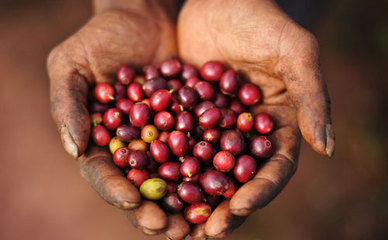
Harvest time of coffee fruit explain the month of harvest time and picking of coffee fruit according to equator classification
The vast majority of coffee fruits are picked manually. In order to ensure the quality of coffee, pickers need to identify which fruits are suitable for harvest and pick them one by one from the tree, which takes a lot of energy and time. In this era when the tide of science and technology is sweeping in, such humane manual work is very precious. Due to different planting areas, the receiving time also changes.
2016-01-18 Coffee harvest time equator classification explanation fruit interval month
Coffee Origin-Coffee Classification of the main Coffee producing countries
Coffee Origin-Coffee trees in the main coffee producing countries are very similar to laurel and usually grow in the area between the Tropic of Cancer. A coffee tree usually grows for about three to four years before it begins to bear fruit. the fruit is a red berry and a small number of yellow berries. After drying and removing the pulp, the coffee beans can be separated. There are coffee beans all over the world.
2016-06-07 Coffee origin main country of origin classification coffee laurel
Taste Classification of Honduran Highland Coffee
Honduran coffee has a rich and mellow taste, taste is not astringent, not sour, mellow and aroma are very high, quite personality. Honduran coffee can lead to multiple levels of flavor depending on the degree of roasting. Moderate baking can maximize the sweetness of beans, while deep baking increases bitterness, but sweetness does not disappear. Generally speaking, medium baking tastes best
2016-05-31 Honduras highlands coffee taste classification rich
Kenyan coffee grade classification Kenyan coffee origin
Brazilian coffee: a wide variety of coffee, most of the coffee with moderate acidic characteristics, its sweet, bitter and mellow taste is neutral, moderate concentration, smooth and special taste, known as the strong coffee, but also a very good blending beans. Colombian coffee: produced in Colombia, roasted coffee beans release a sweet fragrance and have the characteristics of sweet in acid and flat in bitterness.
2016-05-27 Kenya coffee grade classification origin Brazil many kinds most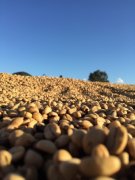
The method of grading and classification of coffee beans
Coffee beans are graded first by size and then by density. With two exceptions, all coffee beans have a considerable size and the same proportion, with flat on one side and semi-oval on the other. The special cases are pea-shaped coffee beans that tend to be more oval in shape and giant coffee beans with large particles (that is, Marragol peel coffee beans). The prices of these two kinds of coffee beans are always higher.
2014-12-29 Coffee common sense boutique coffee beans grading classification methods press first big
Twelve categories and production of Coffee
There are many categories of coffee, and each coffee combination is also different, each kind of coffee, has its own unique taste and preparation method. What do you know about the classification and combination of those coffees? The basic classification of coffee is divided into twelve categories. Each has its own way of preparation and unique taste. Which one would you like? 1. Espresso, Italian
2015-04-21 Coffee two kinds classification production coffee there are many many each kind of
Detailed classification and introduction of coffee beans around the world-beginners to coffee
Dominican Republic: Barahona (Mozambique) cheap sweet Manyika (Manica) when you drink coffee, do you notice what kind of coffee you drink from which coffee beans are ground? There are many varieties of coffee beans with different mouths and stomachs. Most of the coffee beans in the current market are distinguished by their origin, with the following list of the main producing countries and their famous coffee, and
2015-11-30 Around the world coffee beans details classification introduction coffee beginners Dominica
Coffee grinding knowledge points: detailed introduction of operation and classification of sawtooth bean grinder
The saw-tooth bean grinder can grind uniform coffee powder quickly and steadily, but the price is higher. The operation method of this kind of bean grinder is quite simple, as long as you follow the instructions on the instructions, it can be easily used. Generally speaking, it has two setting functions, one is the grinding degree setting, the other is the grinding time setting. The degree of grinding is mostly expressed in Arabic numerals, and the smaller the number is, the finer the grinding is.
2015-12-25 Coffee grinding knowledge points tooth type bean grinder operation classification details main points introduction
Introduction to Coffee: a detailed introduction to the producing areas and classification of coffee beans
There are mainly two kinds of coffee on the market, such as Coffea Arabica and Coffea Robusta. Each of them can be subdivided into more variety branches. Most of the coffee beans in circulation on the market are distinguished by their origin. The following is a list of some of the major producing countries and their famous coffee: Brazilian coffee fruit (Arabica) Brazil: Santos, Brazil
2015-12-01 Coffee entry coffee beans producing areas classification details introduction surface coffee main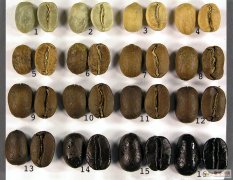
Baking principles and classification of coffee beans
The raw coffee beans are fried to make the coffee beans show a unique coffee color, aroma and taste. The most important thing of frying and baking is to be able to stir-fry the inside and outside of the beans evenly without overscorching. 80% of the taste of coffee depends on roasting, which is the most important and basic condition for making good coffee. The basic principle of ● fried culture the most important thing is to be able to stir-fry the inside and outside of the beans evenly.
2014-07-04 Coffee bean roasting coffee bean roasting classification coffee bean roasting principles