“chemical life” search results (800)

Taste of Coffee Fine Coffee Coffee
The color, aroma and taste of coffee are caused by some complex chemical changes that take place during the baking process. Therefore, raw beans must go through appropriate chemical procedures to achieve the most balanced state of its essential ingredients in order to be regarded as the best baked beans. The aroma of coffee varies with the heat, so the baking time should be shortened as much as possible, and the heat can be controlled at the level of coffee beans.
2015-02-02 Coffee taste boutique tasting coffee color aroma through baking
Common sense of Coffee Culture the Taste of Coffee Cultural Life in China
China in China, people like drinking coffee more and more. The coffee culture that follows is full of every moment of life. People are tasting coffee at home, in the office, or on various social occasions: it is gradually associated with fashion and modern life. Coffee shops everywhere have become good places for people to talk, listen to music and rest, and coffee has gradually developed into a kind of
2014-12-05 Coffee culture common sense China coffee cultural life chemical life live taste
Scientists have confirmed that coffee with sugar is not coffee.
Even if black coffee is romantic, not everyone can stand the taste. It still needs sugar. Why is it that sweetened coffee is not so difficult to taste? Scientists have found that the chemical structure of coffee has changed after adding sugar. Many people must be dismissive of this problem: of course, it is the sweetness of sugar that suppresses the bitterness, which needs to be studied. However, York, England
2015-08-05 Scientists confirmed added coffee no even coffee romantic taste but not
The basic chemical reaction of coffee knowledge during coffee roasting.
Many thermal and chemical reactions take place during baking: decarbonation, dehydration of quinic acid, subdivision, isomerization, polymerization, and complex sugar reactions (caramelization). The main components of the thermal reaction are monosaccharides and sucrose, chlorogenic acid, free amino acids, and fenugreek amide. Both aravinose and calactose in the polysaccharides are transferred, and the basic vulcanization process includes hydroxylamine.
2014-12-31 Coffee knowledge baking process medium hair raw basic chemical reaction passing
The taste of roasted coffee beans.
Coffee's color, aroma, and taste are the result of complex chemical changes that occur through the roasting process. Therefore, raw beans must undergo appropriate chemical procedures to achieve the most balanced state of its essential ingredients in order to be considered the best baked beans. Coffee aroma changes with heat, so roast time should be as short as possible, and heat control can make coffee beans
2015-03-05 coffee beans roast after taste coffee color aroma penetration
Savor the bitterness of coffee
The color, aroma and taste of coffee are caused by some complex chemical changes that take place during the baking process. Therefore, raw beans must go through appropriate chemical procedures to achieve the most balanced state of its essential ingredients in order to be regarded as the best baked beans. The aroma of coffee varies with the heat, so the baking time should be shortened as much as possible, and the heat can be controlled at the level of coffee beans.
2014-07-30 Savor coffee
Cold cannon coffee is better than iced coffee.
We all know that every coffee powder contains thousands of oils, chemicals and acids. These substances are collectively referred to as soluble substances. It is these soluble substances that give the coffee mellow and delicious. The process of coffee extraction can effectively release these substances. The brewing methods of coffee are mainly divided into two categories according to temperature and time: 1. Hot brewing (dripping) coffee
2016-06-02 Cold cannon coffee delicious we you know a grain of coffee powder contains
Coffee with sugar is not coffee? The skill of drinking coffee
Even if black coffee is romantic, not everyone can stand the taste. It still needs sugar. Why is it that sweetened coffee is not so difficult to taste? Scientists have found that the chemical structure of coffee has changed after adding sugar. Many people must be dismissive of this problem: of course, it is the sweetness of sugar that suppresses the bitterness, which needs to be studied. However, York, England
2015-08-04 Added coffee no skill even coffee romance taste but not all.
Coffee brewing filter paper: the operation technology of qualitative filter paper diameter 11cm and the introduction of chemical experiment
Brand: curious model: dxlz medium speed qualitative filter paper chemical experiment: filter paper is often used in the experiment together with filter funnel and Brinell funnel and other instruments. The filter paper needs to be folded into a suitable shape before use. The common folding method is to fold the filter paper into a flower-like shape. The higher the folding degree of the filter paper is, the higher the surface area can be provided, and the better the filtration effect is.
2015-12-28 Coffee brewing filter paper qualitative diameter 11cm operation technology chemical experiment
English Corner | Why do we bake coffee and raw beans?
Love coffee, is an elegant way of life, love coffee, let's get together! Coffee beans are the seeds of the cherries of the coffee tree. Each cherrytypically contains two beans whose flat sides face each other. When steepedin hot water, raw, or green, coff
2015-11-03 English Corner we why roast coffee raw beans
Five flavors of Fine Coffee
The color, aroma and taste of sweet coffee are caused by some complex chemical changes that take place during the roasting process. Therefore, raw beans must go through appropriate chemical procedures to achieve the most balanced state of its essential ingredients in order to be regarded as the best baked beans. The aroma of coffee will change with the heat, so the baking time should be shortened as much as possible, and the coffee is hot.
2015-01-17 Boutique coffee common sense five kinds taste bitter sour color aroma
Basic knowledge of coffee what is the taste of coffee
The color, aroma and taste of coffee are caused by some complex chemical changes that take place during the baking process. Therefore, raw beans must go through appropriate chemical procedures to achieve the most balanced state of its essential ingredients in order to be regarded as the best baked beans. The aroma of coffee varies with the heat, so the baking time should be shortened as much as possible, and the heat can be controlled at the level of coffee beans.
2014-11-26 Coffee knowledge basic coffee knowledge coffee taste
The five flavors of coffee the bitterness and sweetness of coffee
The color, aroma and taste of coffee are caused by some complex chemical changes that take place during the baking process. Therefore, raw beans must go through appropriate chemical procedures to achieve the most balanced state of its essential ingredients in order to be regarded as the best baked beans. The aroma of coffee varies with the heat, so the baking time should be shortened as much as possible, and the heat can be controlled at the level of coffee beans.
2015-07-29 Coffee five kinds taste bitter sour coffee color aroma through
Basic chemical reactions that occur during coffee roasting
Many thermal and chemical reactions take place during baking: decarbonation, dehydration of quinic acid, fragmentation, isomerization, polymerization, and complex sugar reactions (caramelization). The main thermally reactive components are monosaccharides and sucrose, chlorogenic acid, displaced amino acids, and trigonelline amide. Both aravinone and calactose in polysaccharides are transferred, and basic sulfurization contains hydroxyamino acids.
2014-08-20 Coffee knowledge Coffee roasting Chemical changes Coffee encyclopedia
What are the ingredients of coffee beans?
Caffeine is the most eye-catching of all the ingredients of coffee.
2014-06-12 Coffee knowledge coffee beans composition list
World Coffee Bean Certification What is Organic Coffee Bean? How to properly certify organic coffee beans?
Organic coffee is coffee grown without the use of synthetic pesticides, herbicides or chemical fertilizers. These ways of growing coffee help maintain a healthy environment and keep groundwater pure. After harvesting, be sure to use an organic certified roasting plant to process coffee beans. Organic coffee is coffee beans grown in the shade.
2016-01-04 world coffee beans certified what organic how right coffee is in
The basic chemical reaction of coffee roasting process
Many thermal and chemical reactions take place during baking: decarbonation, dehydration of quinic acid, subdivision, isomerization, polymerization, and complex sugar reactions (caramelization). The main components of the thermal reaction are monosaccharides and sucrose, chlorogenic acid, free amino acids, and fenugreek amide. Both aravinose and calactose in the polysaccharides are transferred, and the basic vulcanization contains hydroxylated amino acid.
2014-08-15 Coffee knowledge coffee roasting process baking chemical reaction
The basic chemical reaction that takes place during coffee roasting.
Many thermal and chemical reactions take place during baking: decarbonation, dehydration of quinic acid, subdivision, isomerization, polymerization, and complex sugar reactions (caramelization). The main components of the thermal reaction are monosaccharides and sucrose, chlorogenic acid, free amino acids, and fenugreek amide. Both aravinose and calactose in the polysaccharides are transferred, and the basic vulcanization process includes hydroxylamine.
2014-11-22 Coffee knowledge coffee common sense coffee roasting chemical reaction
The basic chemical reactions that take place during coffee roasting
Many thermal and chemical reactions take place during baking: decarbonation, dehydration of quinic acid, subdivision, isomerization, polymerization, and complex sugar reactions (caramelization). The main components of the thermal reaction are monosaccharides and sucrose, chlorogenic acid, free amino acids, and fenugreek amide. Both aravinose and calactose in the polysaccharides are transferred, and the basic vulcanization process includes hydroxylamine.
2015-10-15 Coffee roasting process medium hair raw basic chemical reaction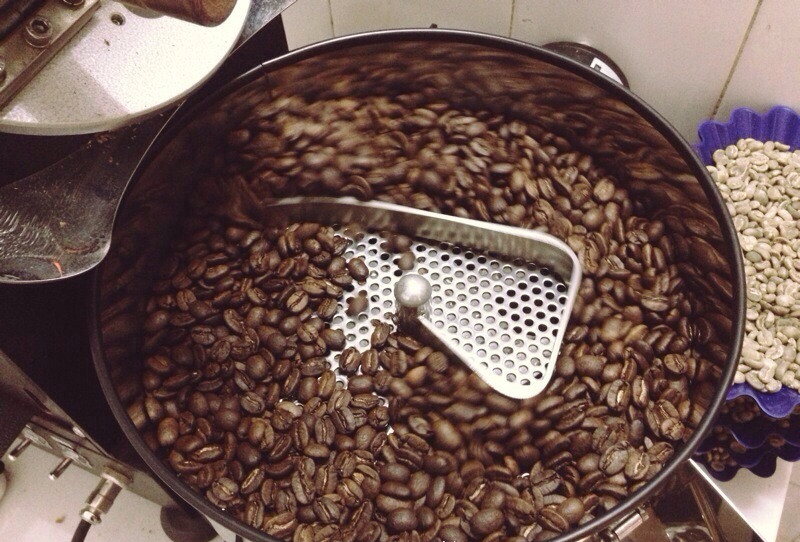
Basic chemical reactions of coffee beans during coffee roasting
Many thermal and chemical reactions take place during baking: decarbonation, dehydration of quinic acid, subdivision, isomerization, polymerization, and complex sugar reactions (caramelization). The main components of the thermal reaction are monosaccharides and sucrose, chlorogenic acid, free amino acids, and fenugreek amide. Both aravinose and calactose in the polysaccharides are transferred, and the basic vulcanization process includes hydroxylamine.
2015-03-16 Coffee roasting process coffee beans raw basic chemical reaction