“cadura” search results (62)

The overall soft, slightly sour Salvadoran coffee estate introduces Renas Manor.
El Salvador boutique coffee is concentrated in the volcanic rock producing areas of Santa Ana in the west and Charantanan fruit in the northwest. In recent years, the top 10 cup tests are almost entirely from these two producing areas, with an altitude of about 9-1500 meters, mainly bourbon (68%). Followed by Pacas (29%), mixed-race Pakamara, Dulaai and Kaddura accounted for only 3%. The coffee harvest season has been held since November.
2016-07-11 Whole soft slightly sour El Salvador coffee manor producing area introduction Renas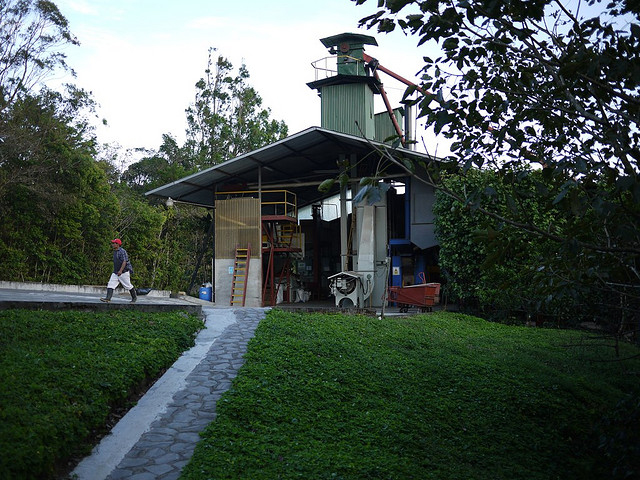
Costa Rica Tara Pearl Diamond Hill Estate washed SHB Kadura Costa Rica boutique coffee beans
Country: Costa RicaGrade: SHBOrigin: TaraPearl Producer: TaraPearl Local smallholder Processing: Washed varietyVariety: Cadura, Cadua Estates: Diamond MountainEstates Flavors: Soft orange-orange notes, toast, caramelized cocoa Sweet taste Clean Costa Rican coffee cultivation was introduced from Cuba in 1779, first exported in 1820 Coffee is now cultivated by about 3 coffee farmers
2016-03-25 Costa Rica Tara Pearl Diamond Stone Mountain Manor Wash SHB Durra
Salvadoran coffee with a slightly sour taste Taste Manor Features Fine coffee Introduction
Salvadoran fine coffee is concentrated in Santa Ana in the west and Charantan Nango volcanic rock producing areas in the northwest. In recent years, almost all of the top 10 cup tests come from these two producing areas, with an altitude of about 900-1500 meters. Bourbon is the main one (accounting for 68%), followed by Pacas (accounting for 29%), and mixed Pacamara, Duraai and Cadura only account for 3%. Coffee harvest season lasts from November
2016-08-10 taste sour salvador coffee flavor palate estate region characteristics
Aromatic and delicious Los Congo Manor Coffee Flavor Variety Features Production Environment Introduction
Nicaragua coffee has a wide range of flavor attributes. Some coffees have a high body, like Mexican coffee, while others have a bright acidity, like African coffee. Nicaragua coffee plant used coffee varieties are mostly traditional iron pica, there are also a few bourbon and cadura varieties planted. Overall, Nicaragua coffee is characterized by a mild but
2016-09-19 Aroma Delicious Los Congo Manor Coffee Flavor Variety Region Characteristics
Colombia Coffee Boutique Coffee Basics
Colombia Coffee Producers Association (Federación Nacional de Cafeteos de Clolambia), or industry abbreviation [FNC] staff introduced the two main varieties of Colombian coffee, Cadura and Colombia. Kadura was introduced from Brazil in the 1960s and now accounts for 45-50% of Colombia's production, replacing the earliest Tibica. A new breed of the same name as Colombia [Colombi
2015-04-14 Colombia Coffee Fine Basic Common sense Producer Association
Washed Panamanian Pocket Butterfly Coffee beans Esmeralda Manor
Then in the land of Pokuit, there is a bean with a high performance-to-price ratio. And has a very beautiful name Flower Butterfly. She has 40% high-quality Rosa pedigree, which is composed of Rosa, Kaddura and Kaduai. It is planted in the Baru volcano region of Pokut and grows in the volcanic area at an altitude of 1600 meters. Panamanian local special
2016-07-13 Washing treatment Panama Pokui Special Flower Butterfly Coffee beans Ace Mella Zhuang
Introduction of coffee growing environment in Nicaragua introduction of Nicaraguan Coffee Manor
Los Congo Manor is one of the few estates that are self-sufficient, raising livestock, logging and making organic fertilizers from coffee berries, so that their planting and treatment processes do not use chemicals at all. It has unique conditions in Central America-- rich water resources and excellent water quality, growing coffee and excellent volcanic mud soil, and the soil area of cultivated land is large.
2016-07-20 Nicaragua Coffee cultivation Environment region introduction Manor Los Congo Chuang
Fragrant, pure and slightly sour Salvadoran coffee flavor description introduction to the characteristics of the producing areas of the varieties
El Salvador's coffee accounts for 40% of the country's exports, and it is usually picked in November, December and January-March of the following year. The export of raw beans lasts almost all year round. Coffee is produced in seven of the country's 14 provinces, with the largest number in the northwestern provinces of chalatenango and santa ana. The coffee produced in El Salvador is 100% Arabica, of which 68% is
2016-10-07 Aromatic pure slightly sour El Salvador coffee flavor description taste variety production
Nicaraguan Coffee Manor introduces Los Congo Manor
The excellent Nicaraguan coffee is among the highest in the world, it is mild and delicious, moderate granule, very fragrant. In many countries, coffee production has been seriously affected for political reasons. Nicaraguan coffee industry is no exception. The 1979 revolution forced coffee planters to flee to Miami. This was followed by a period of uncertainty, and the government considered whether to re-
2016-06-15 Nicaragua Coffee Manor introduction Los Congo
Introduction to the characteristics of grindability of slightly sour Salvadoran Himalayan coffee varieties in producing areas
Coffee fields are endless, and most of them are harvested by machinery, which is in line with economic benefits. When 75% of the coffee fruit in the coffee garden turns red, mechanical harvesting is started, followed by the same pre-washing operation, which is moved into the sink to remove floating beans, sift out the sunken beans, and then use a large pulp screening machine to dig out the pulp and remove the pods covered with pectin. The next stage is separated from the washing method: sticky beans.
2016-10-15 Sour El Salvador Himalayas coffee grinding characteristics varieties producing areas places
Full and round El Salvador Himalayan Coffee Flavor describes the characteristics of the manor producing area
Pacamara is the artificial breeding variety of Pacas and Maragogipe. It was first cultivated by researchers in El Salvador in 1958. Pacamara is an excellent variety under rare artificial breeding, which is better than blue, and perfectly inherits the advantages of the mother plant. It not only has the excellent taste of Pacas, but also inherits the large size of Maragogipe, and the bean body is at least like beans.
2016-10-08 Plump round El Salvador Himalayas coffee flavor description manor producing area
Introduction to the characteristics of grinding degree, taste and flavor of Panamanian jadeite manor coffee
In the Pokuit producing area, there are also many excellent manors, except the famous Emerald Manor, Alida Manor, Aqaba Manor and so on, all of which produce high-quality boutique coffee. This is not only due to the superior ecological conditions of the Pokuit region of Panama and the fertile volcanic ash soil of the Baru volcanic land. Another important factor is that in Bana
2016-10-11 Panama Jade Manor Coffee Grinding characteristics Taste Flavor description varieties
Colombia's two main coffee bean varieties Kadura and Colombia coffee bean production regional flavor
Colombia Coffee Producers Association (Federación Nacional de Cafeteos de Clolambia), or industry abbreviation [FNC] staff introduced the two main varieties of Colombian coffee, Cadura and Colombia. Kadura was introduced from Brazil in the 1960s and now accounts for 45-50% of Colombia's production, replacing the earliest Tibica. A new breed of the same name as Colombia [Colombi
2015-10-26 Colombia coffee two major main force variety dura production
Taste balance of El Salvador Mercedes Manor Coffee Flavor description characteristics of producing area taste
Don't underestimate El Salvador's coffee production. In its heyday, it was once the fourth largest coffee producer in the world, but decades of civil war almost dragged down the coffee industry. fortunately, the war has stopped in recent years, and the coffee industry has come back to life. The only benefit that the civil war brought to the country of El Salvador was that the farmers left their fields barren and failed to catch up with the most popular Katimo sun-exposed cultivation train in the past two decades.
2016-10-08 Taste balance excellent El Salvador Mercer des Manor Coffee Flavor description
El Salvador coffee producing area with subtropical forest climate
Savanna climate. Plain area belongs to tropical rain forest climate, mountain area belongs to subtropical forest climate. The annual average temperature is 25-28℃, the annual precipitation in mountainous areas is more than 1,800 mm, and that in coastal areas is about 1000 mm. May-October is the rainy season. Don't underestimate El Salvador's coffee production. In its heyday, it was the world's fourth-largest coffee producer, but decades of civil war nearly brought coffee down.
2016-06-24 mountain subtropical forest climate el salvador coffee region presentation tropical
Main coffee varieties and their characteristics Characteristics of estate beans
Catimor was born in Portugal in 1959 by crossing Timor, a hybrid of Arabica and Robusta, with Cadura, a mutant of Bourbon. For high-yield commercial supplies species, growth of the best, most productive varieties. Low tree height, coffee fruit and seeds (green beans) on the large side. Derived from Catimer.
2016-06-07 to coffee varieties and its characteristics estate casti Catimo
Introduction to boutique coffee with flavor and taste characteristics of El Salvador Himalayan coffee varieties
In the early 1990s, guerrilla warfare greatly damaged the country's national economy, reducing coffee production from 3.5 million bags in the early 1970s to 2.5 million bags in 1990-1991. The eastern part of the country was most affected by guerrilla warfare, and many farmers and workers were forced to leave the manor. The shortage of funds has led to a sharp drop in coffee production, from 1200 kg per hectare in the past to no yield per hectare today.
2016-09-23 El Salvador Himalayas coffee varieties flavor taste characteristics boutique introduction
Mild quality Salvadoran Coffee Manor flavor and taste characteristics of Himalayan coffee
Don't underestimate El Salvador's coffee production. In its heyday, it was once the fourth largest coffee producer in the world, but decades of civil war almost dragged down the coffee industry. fortunately, the war has stopped in recent years, and the coffee industry has come back to life. The only benefit that the civil war brought to the country of El Salvador was that the farmers left their fields barren and failed to catch up with the most popular Katimo sun-exposed cultivation train in the past two decades.
2016-08-06 Mild quality El Salvador coffee manor producing area flavor taste characteristics medium
Introduction to the methods of dealing with the degree of grinding of coffee varieties described by Mercedes Manor in El Salvador
El Salvador boutique coffee is concentrated in the volcanic rock producing areas of Santa Ana in the west and Charantanan fruit in the northwest. In recent years, the top 10 cup tests are almost entirely from these two producing areas, with an altitude of about 9-1500 meters, mainly bourbon (68%). Followed by Pacas (29%), mixed-race Pakamara, Dulaai and Kaddura accounted for only 3%. The coffee harvest season has been held since November.
2016-09-29 El Salvador Mercedes des Manor Coffee Flavor description Variety Grinding place
Description of Coffee Flavor in Manor Ireta, Panama, introduction to the method of grindability treatment and brewing
In the Pokuit producing area, there are also many excellent manors, except the famous Emerald Manor, Alida Manor, Aqaba Manor and so on, all of which produce high-quality boutique coffee. This is not only due to the superior ecological conditions of the Pokuit region of Panama and the fertile volcanic ash soil of the Baru volcanic land. Another important factor is that in Panama
2016-09-28 Bana May Letta Manor Coffee Flavor description Variety Grinding treatment