“brazilian coffee farm” search results (500)

Description of Brazilian Coffee Flavor, characteristics of Grinding degree and introduction of Fine Coffee in producing areas
There are many large farms in Brazil, which run endless coffee plantations. They use machines to harvest and dry them. They are so efficient in automation that they regard coffee as a general agricultural material and completely abandon the flavor and flavor. As a result, many select coffee companies simply do not sell Brazilian beans so as not to demean themselves. In the select coffee shop, there is still an occasional Sandoska in Brazil.
2016-10-12 Brazil coffee flavor description grinding characteristics variety producing area taste boutique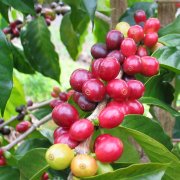
Brazilian boutique coffee from Syracuse is extremely smooth and smooth with sweet taste and low acidity.
1. A variety of fine coffee. It is better to use Arabica inherent variety Tibica or bourbon variety. two。 Is the altitude, topography, climate, soil and refinement of the cultivated land or farm clear? Generally speaking, the coffee with high altitude is of higher quality, and the fertile volcanic soil is the best. 3. The harvesting method and refining method are adopted. Generally speaking, manual harvesting method and washing essence are adopted.
2016-06-30 Syrador producing area Brazil boutique coffee extremely smooth taste sweet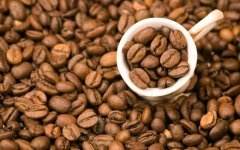
Brazil Coffee processing Diversified Coffee basic knowledge
Brazilian coffee farms choose sun, half-sun or water washing treatments according to the dry and humidity conditions of the climate to show the best regional flavor. Such a pluralistic approach is rare in the world. Before 1999 ⊙, rough tanning was almost always used in Brazil. This is the main culprit for Brazilian beans to be easily infected with the smell of dirt and rotten wood, because coffee fruits are exposed to the sun for two to three weeks.
2015-02-12 Brazil coffee processing methods diversification basics common sense farms
The Diamond Plateau is known as the new wave of Brazilian boutique coffee.
Bahia province is located in the north of Minas province, located in about 10 degrees south latitude, with a tropical climate. Coffee has only been cultivated in the past decade, and many farms have high-tech sprinkler systems. The production capacity of 60 bags per hectare (about 3600 kg) is much higher than the average production capacity of 19 bags (1140 kg) per hectare in Brazil. Brazilian officials point out that Bahia has a 103-hectare farm, which can grow per hectare.
2015-02-12 Diamond plateau known as Brazil boutique coffee new wave wave Bay Asia
Introduction to the producing countries of Brazilian coffee beans and the origin of the brand os slimming Coffee Farm.
Brazil coffee bean flavor description treatment method in terms of natural conditions, Brazil is in the tropics, the north is a tropical rain forest climate, hot and humid all the year round, suitable for the growth of tropical crops, coffee trees are sunny crops, sufficient sunlight is the condition for its growth. Historically, Brazil has been a Portuguese colony for a long time. In order to meet the needs of Western Europe, Brazil has been growing single crops for a long time.
2016-10-21 Brazil coffee beans producing countries and brands slimming coffee weight loss estates production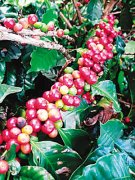
Brazil Hirado Prairie Brazilian Coffee famous Alimentos Manor Sun style
The Brazilian Hirado Prairie is one of the famous coffee producing places in Brazil, with an area of 120W square kilometers, accounting for 22% of the national area of Brazil. Alimentos Farm, founded in 1974, is located in Brazil's Hirado prairie at an altitude of about 900 to 1000m. It has undulating foothills, rich landforms, obvious dry and wet seasons, large temperature difference between day and night, and obvious microclimate, so it is suitable for planting Ca.
2016-06-19 Brazil Syracuse Prairie Coffee famous Origin Alimentos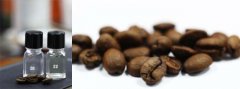
Brazilian Virgin Mary Estate Boutique Coffee
Most fine coffee lovers have a poor impression of Brazilian coffee. They think that Brazilian coffee is dull and tasteless and lacks texture. Therefore, they do not care about Brazilian coffee. In fact, Brazilian coffee is not as bad as people think, because with the development of the coffee industry, consumers have higher and higher requirements for coffee quality. It also makes the Brazilian Agriculture Bureau realize the importance of coffee quality and gradually pay attention to Brazilian coffee.
2014-05-20 Coffee Knowledge Boutique Coffee
Coffee common sense Diamond Plateau is known as the new wave of Brazilian boutique coffee
Bahia province is located in the north of Minas province, located in about 10 degrees south latitude, with a tropical climate. Coffee has only been cultivated in the past decade, and many farms have high-tech sprinkler systems. The production capacity of 60 bags per hectare (about 3600 kg) is much higher than the average production capacity of 19 bags (1140 kg) per hectare in Brazil. Brazilian officials point out that Bahia has a 103-hectare farm, which can grow per hectare.
2015-04-02 Coffee common sense diamond plateau known as Brazil boutique new wave Brazil
The taste of Brazilian coffee with moderate sour and bitterness the characteristics of Brazilian boutique coffee beans are introduced.
There are many large farms in Brazil, which run endless coffee plantations. They use machines to harvest and dry them. They are so efficient in automation that they regard coffee as a general agricultural material and completely abandon the flavor and flavor. As a result, many select coffee companies simply do not sell Brazilian beans so as not to demean themselves. In select coffee shops, Santos in Brazil still appears occasionally.
2016-08-08 Sour medium Brazil coffee flavor taste manor producing area characteristics introduction
General knowledge of Fine Coffee beans Diversified ways of handling Brazilian Coffee
Brazilian coffee farms choose sun, half-sun or water washing treatments according to the dry and humidity conditions of the climate to show the best regional flavor. Such a pluralistic approach is rare in the world. Before 1999 ⊙, rough tanning was almost always used in Brazil. This is the main culprit for Brazilian beans to be easily infected with the smell of dirt and rotten wood, because coffee fruits are exposed to the sun for two to three weeks.
2015-04-02 Boutique coffee beans common sense Brazil coffee processing methods diversification
Café Farm Brazil Xilado Armento Farm
Brazil's Xilado Prairie is one of Brazil's famous coffee producing areas, covering an area of 120W square kilometers, accounting for 22% of Brazil's national area. Alimentos Farm was established in 1974 and is located at an altitude of about 900~ 1,000 m in the Brazilian Xilado Prairie. Here, the foothills are undulating, the landform is rich, the dry and wet seasons are obvious, the temperature difference between day and night is large, and the microclimate is obvious. It is suitable for planting Ca.
2016-06-12 coffee manor brazil cirado ali mento farm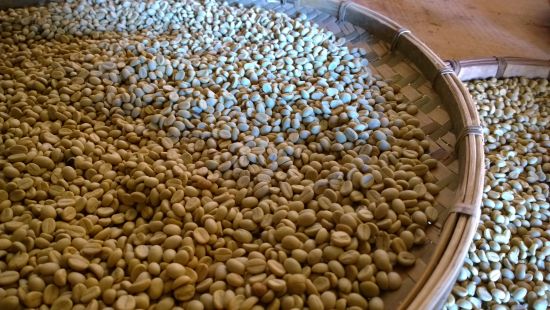
Brazilian coffee beans fresh ground bagged coffee powder imported Brazilian flavor bourbon Brazilian flavor
Country: Brazil Grade: SC14/SC16 production area: South Minas Baking degree: medium Baking treatment: peeling and tanning varieties: bourbon, Kaduai altitude: 1000 '1200 m Flavor: fried melon seeds, mellow, dark chocolate, Huigan aftertaste. Brazil's terrain is flat, coffee farms are mostly about 600-1000 meters above sea level, and the landform is flat and monotonous, lacking miniature.
2016-03-25 Brazil coffee beans fresh freshly ground bagged coffee powder import flavor bourbon country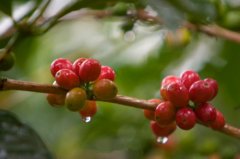
Brazilian boutique beans main stem South Minas coffee beans
Brazil is flat, with coffee farms mostly about 600-1000 meters above sea level, suitable for growing shade-free Kaddura, New World and Kaduai, also known as Sm CofFee. This is the main reason for the lack of aroma of Brazilian coffee (but when the altitude is more than 1100 meters, the taste of exposed coffee will improve, comparable to bourbon. See Chapter 4 of this book). The good news is that
2015-02-12 Brazil boutique backbone Nanmi Nass coffee beans terrain flat coffee
Description of Brazilian Coffee Flavor with mild Flavor characteristics of Grinding degree Variety Price Brand introduction
There are many large farms in Brazil, which run endless coffee plantations. They use machines to harvest and dry them. They are so efficient in automation that they regard coffee as a general agricultural material and completely abandon the flavor and flavor. As a result, many select coffee companies simply do not sell Brazilian beans so as not to demean themselves. In select coffee shops, Santos in Brazil still appears occasionally.
2016-10-12 Aroma soft Brazilian coffee flavor description grinding characteristics variety price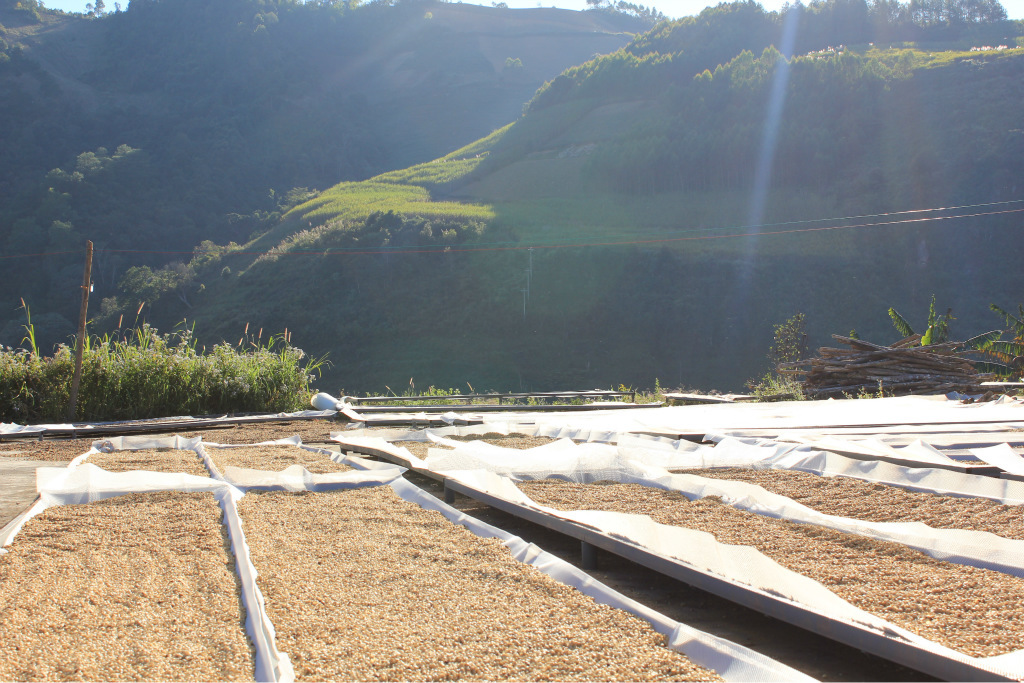
Coffee manor Brazil is the largest producer of coffee.
Enter the coffee farm in Brazil Brazil is the largest coffee producer and the second largest coffee consumer in the world. In Brazil, wherever you go, you can have coffee in the morning or at night. Unlike the Italian concentrate, or latte or cappuccino as most of us know, what Brazilians like most is the kind of ordinary coffee in a small cup, which is boiling hot.
2016-03-18 Coffee manor Brazil one big producing country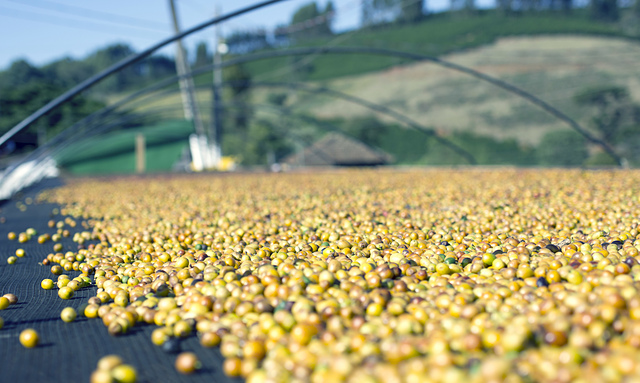
Coffee bean Brazilian yellow bourbon Brazil Chacal Estate Yellow Bourbon
Among the many varieties of coffee in Brazil, yellow bourbon is one of the most outstanding varieties. Generally speaking, yellow bourbon changes from green to yellow to red, but the appearance of yellow bourbon only stays in yellow. The yellow bourbon, which grows at high altitude and is sun-treated, has an excellent flavor. Brazil Chacal Yellow Bourbon, Brazil, a water purification estate in the Llcinea region of Minas (Agua)
2014-09-12 Coffee beans Brazilian yellow bourbon Brazilian coffee beans Brazilian boutique coffee beans
Introduction to Brazilian Coffee
Today, Brazil is the world's largest coffee producer. About 25% of the world's coffee comes from Brazil, which affects the development of the world coffee industry. Brazilian coffee is mainly grown in Parana, Santos Jing, Sao Paulo, Minas Gerais and Bahia. Most of the farms in these areas are less than ten hectares.
2014-07-02 Coffee knowledge Brazilian Coffee Coffee Encyclopedia
Description of Brazilian Coffee Flavor with low sour taste introduction to the treatment of Grinding degree
There are many large farms in Brazil, which run endless coffee plantations. They use machines to harvest and dry them. They are so efficient in automation that they regard coffee as a general agricultural material and completely abandon the flavor and flavor. As a result, many select coffee companies simply do not sell Brazilian beans so as not to demean themselves. In select coffee shops, Santos in Brazil still appears occasionally.
2016-10-06 With low sour Brazilian coffee flavor description grinding treatment way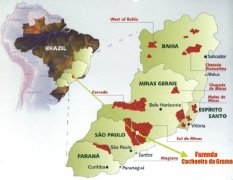
Who says Brazil doesn't have good coffee?
Brazil is the world's largest coffee producer. There are many kinds of coffee in Brazil. Most of the Brazilian coffee is sun-treated, and they are classified according to the name of the state of origin and the port of transport. Of the 21 states in Brazil, 17 produce coffee, but four of them produce the largest, accounting for 98% of the country's total output. They are: Parana, Sao Paulo,
2015-07-30 Who says Brazil there are good coffee the world big coffee producing countries kinds
An introduction to the characteristics of Brazilian coffee boutique coffee bean flavor and taste manor with endless coffee plantations
There are many large farms in Brazil, which run endless coffee plantations. They use machines to harvest and dry them. They are so efficient in automation that they regard coffee as a general agricultural material and completely abandon the flavor and flavor. As a result, many select coffee companies simply do not sell Brazilian beans so as not to demean themselves. In select coffee shops, Santos in Brazil still appears occasionally.
2016-09-12 Endless coffee garden Brazil coffee boutique coffee beans flavor taste manor