“branching” search results (3691)
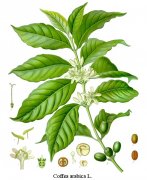
Coffee cultivation techniques detailed explanation of planting knowledge of Coffee trees
Coffee, cocoa and tea are called the three major beverages in the world, and their output, consumption and output value all rank first. In addition to being used as a beverage, coffee can also extract caffeine and coffee oil; in medicine, it can be used as an anesthetic, stimulant and diuretic cardiotonic agent. Coffee pulp can be used to make wine, vinegar, pectin and molasses; dried pulp can be used as animal feed; dried fruit shell can be used as fertilizer and burning
2015-02-16 Coffee cultivation techniques planting knowledge detailed explanation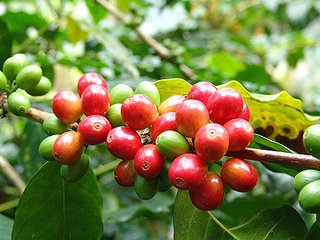
Coffee cultivation and cultivation Coffee cultivation techniques and techniques Introduction to the process of coffee green beans cultivation
(a) seedling propagation coffee seedling propagation can be divided into seed propagation and asexual propagation. 1. Seed propagation (1) Seed collection, seed washing and seed storage In the mature period of coffee (the mature period of medium seed coffee in Hainan Island is 2~3 months, and the mature period of small seed coffee is 9~11 months), fully mature fruits are picked from healthy and high-yield mother trees to make seeds. After the fruits are picked, peeling and seed washing are carried out immediately.
2016-01-22 coffee planting cultivation cultivation techniques techniques introduction green beans process
Cultivation techniques of small-grain coffee: multi-dry shaping and cultivation
Multi-dry shaping is a method that uses the first-order branch as the main fruiting branch. The purpose of plastic surgery is to cultivate multiple trunks and grow a large number of robust primary branches, and the multi-trunk trees will not be topped. As a result, when the yield decreases after 3-5 years, the new trunk will be replaced. ① culture multi-stem method oblique planting method: when planting, the seedlings are oblique, generally at an angle of 30-60 degrees with the ground. Oblique planting can be suppressed
2015-10-07 Small grains coffee cultivation techniques multi-dry plastic culture utilization one
Arabica coffee cultivation techniques Multi-stem shaping and cultivation of coffee trees
Multi-stem integer Multi-stem integer is an integer method that uses the first branch as the main result branch. The purpose of integer is to cultivate multiple trunks and grow a large number of robust first-order branches. Multi-trunk trees do not pick the top. As a result, when the yield decreases after 3 to 5 years, new trunks are replaced.① Cultivation of multi-stem method oblique planting method: When planting, the seedlings are obliquely planted, generally at an angle of 30~60 degrees with the ground. oblique planting can inhibit
2015-02-16 Arabica coffee cultivation techniques multi-stem shaping cultivation utilization one
Cultivation techniques of Coffee Tree Seedling Propagation and Establishment of Coffee Garden
(1) Seedling propagation Coffee seedling propagation can be divided into seed propagation and asexual reproduction. 1. Seed propagation (1) seed collection, seed washing and seed storage during the full ripening period of coffee (the full ripening period of medium-grain coffee in Hainan Island is from February to March, and that of small seed is from September to November). The fully ripe fruits are picked from strong and high-yielding mother trees to make seeds. After the fruit is harvested, peel and wash the seeds immediately. The method is to remove the fruit.
2015-10-07 Coffee cultivation techniques seedlings propagation coffee garden establishment
Cultivation and cultivation of High-quality Coffee
(1) Seedling propagation Coffee seedling propagation can be divided into seed propagation and asexual reproduction. 1. Seed propagation (1) seed collection, seed washing and seed storage during the full ripening period of coffee (the full ripening period of medium-grain coffee in Hainan Island is from February to March, and that of small seed is from September to November). The fully ripe fruits are picked from strong and high-yielding mother trees to make seeds. Immediately after the fruit is harvested, peel and wash the seeds. The method is to place the fruit.
2014-10-16 Coffee knowledge boutique coffee science coffee cultivation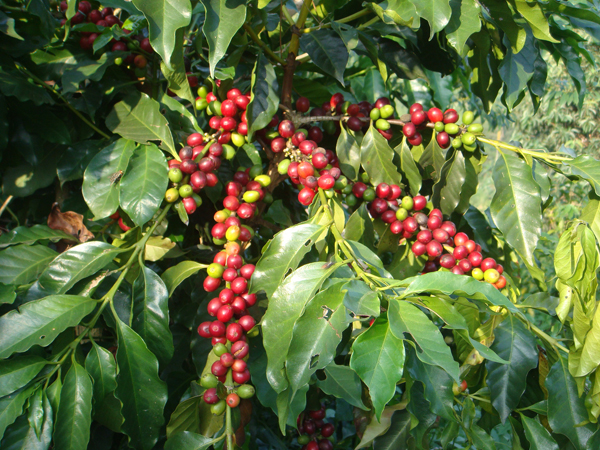
Explain the planting and cultivation of coffee trees in detail to understand the growth environment and needs of coffee trees.
(1) Seedling propagation Coffee seedling propagation can be divided into seed propagation and asexual reproduction. 1. Seed propagation (1) seed collection, seed washing and seed storage during the full ripening period of coffee (the full ripening period of medium-grain coffee in Hainan Island is from February to March, and that of small seed is from September to November). The fully ripe fruits are picked from strong and high-yielding mother trees to make seeds. Immediately after the fruit is harvested, peel and wash the seeds. The method is to place the fruit.
2015-11-25 Details explanation coffee planting cultivation understanding growth environment demand
The technique of planting small Coffee-- Multi-dry shaping and Culture
Multi-dry shaping is a method of shaping using the first-order branch as the main fruiting branch. The purpose of plastic surgery is to cultivate multiple trunks and grow a large number of robust primary branches, and the multi-trunk trees will not be topped. As a result, when the yield decreases after 3-5 years, the new trunk will be replaced.
2014-09-02 Coffee knowledge small coffee coffee planting technology multi-dry shaping training
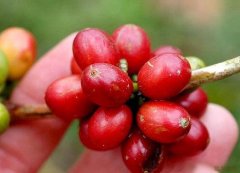
The method of cultivating coffee trees how to grow coffee trees at home?
"Coffee Coffee for you"-oblique planting method: when planting, the seedlings are oblique, usually at an angle of 30 degrees to 60 degrees from the ground (preferably 45 degrees). Oblique planting can inhibit the growth of the top of the trunk and promote the germination of basal straight branches. Attention should be paid to the selection of 3 or 4 sturdy and spaced direct branches for new stem culture. Cut off the old stem after the new stem grows (figure 2)-curved dry method: straight when planting, waiting for
2015-09-11 Coffee cultivation method at home oneself how grow coffee coffee for you to share
Common diseases and pests in coffee cultivation and their control methods
It is distributed in all coffee producing areas in the world, and it also occurs in Yunnan, Guangxi and Hainan Island in China. It is one of the major pests of coffee. The coffee tiger longicorn beetle harms the coffee trunk for more than 2 years and begins to eat between the cambium and the xylem.
2014-06-17 Coffee knowledge coffee cultivation coffee pests
Varieties of coffee beans in Tanzania
Species of coffee beans in Tanzania, local coffee species: in the past, the coffee species commonly used in Tanzania are Bourbon (N.39) and Kents (KP 423). However, due to the low insect resistance and disease resistance of these two coffee varieties, the coffee quality can not meet the requirements of high-quality coffee, not to mention the world-famous UTZ and Fair trade certification. With the new technology of growing coffee beans
2014-06-28 Tanzanian coffee Tanzanian coffee beans coffee beans
The characteristics of Tanzanian Fine Coffee
Species of coffee beans in Tanzania, local coffee species: in the past, the coffee species commonly used in Tanzania are Bourbon (N.39) and Kents (KP 423). However, due to the low insect resistance and disease resistance of these two coffee varieties, the coffee quality can not meet the requirements of high-quality coffee, not to mention the world-famous UTZ and Fair trade certification. With the new technology of growing coffee beans
2016-03-18 Tanzania boutique coffee species characteristics coffee beans when
Varieties of coffee beans in Tanzania
Species of coffee beans in Tanzania, local coffee species: in the past, the coffee species commonly used in Tanzania are Bourbon (N.39) and Kents (KP 423). However, due to the low insect resistance and disease resistance of these two coffee varieties, the coffee quality can not meet the requirements of high-quality coffee, not to mention the world-famous UTZ and Fair trade certification. With the new technology of growing coffee beans
2016-06-05 Tanzania coffee beans species local coffee
The books in the cafe are actually the books in the city library. Ask the waiter who actually doesn't know the source of the books?
The books in the cafe for customers to read are actually the books in the collection of Hefei City Library. Do you need to return these books? Last Saturday, when Mr. Jiang went to a cafe in the city to consume, he opened the literary books on the table at will, but found that these books were stamped with the seal of Hefei Library. Mr. Jiang found that nearly 500 books in the cafe were collected by Hefei Library.
2015-12-03 coffee library books actually city book collection inquiry waiter unknown
Common Coffee Tree Diseases and pests and Control methods in Coffee planting
1. Coffee tiger longicorn beetles are distributed in all coffee producing areas in the world, and also occur in Yunnan, Guangxi and Hainan Island in China. It is one of the major pests of coffee. The coffee tiger longicorn beetle harms the coffee trunk for more than 2 years. At first, it eats between the cambium and xylem, and then eats the xylem. The victim was a curved tunnel filled with sawdust, which had a great impact on coffee.
2015-03-23 Coffee common sense planting common diseases and pests control methods coffee longicorn beetles the world
Control of Diseases and pests in Coffee
(1) Pest control 1. Coffee tiger longicorn beetles are distributed in all coffee producing areas in the world, and also occur in Yunnan, Guangxi and Hainan Island in China. It is one of the major pests of coffee. The coffee tiger longicorn beetle harms the coffee trunk for more than 2 years. At first, it eats between the cambium and xylem, and then eats the xylem. The victim was in a curved tunnel filled with sawdust.
2015-10-07 Coffee diseases and pests control diseases pests
Why does the blue mountain coffee made by the siphon pot have a paste taste?
I don't have to tell you the steps of the siphon pot. I'm sure you will, too. I'll tell you something you need to pay attention to. The amount of coffee beans in a cup is 10 grams. The time is one minute from the boiling of the lower branch water to the upper branch. 3. To answer your supplementary question, the stirring time when the water is boiled from the lower branch to the upper branch is calculated to stir once in 30 seconds. There are several ways to stir, I think.
2015-11-05 Siphon make Blue Mountain Coffee Why paste how siphon step No
Panama Casa Luis Estate Coffee Flavor Taste Production Characteristics Fine Coffee Bean Introduction
Bourbon bourbon plants produce 20-30% more coffee than typical, but have a smaller harvest than most coffee varieties. Bourbon coffee has one less conical shape than the typical plant, but more secondary branches. The angle between branches and main stem is small, and the branch points of main stem are dense. Wide and wavy on leaf margin. The fruit is relatively small and dense. cherry mature
2016-09-08 Barna Macay Louis Manor Coffee Flavor Taste Region Characteristics Boutique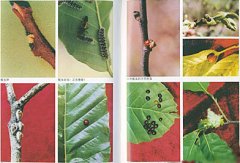
Common Diseases and pests in Coffee cultivation and Prevention and Coffee basic knowledge
(1) Pest control 1. Coffee tiger longicorn beetles are distributed in all coffee producing areas in the world, and also occur in Yunnan, Guangxi and Hainan Island in China. It is one of the major pests of coffee. The coffee tiger longicorn beetle harms the coffee trunk for more than 2 years. At first, it eats between the cambium and xylem, and then eats the xylem. The victim was a curved tunnel filled with sawdust.
2015-10-07 Coffee planting common diseases and insect pests control methods basics common sense