“biya” search results (228)

Species morphology of Colombian coffee
The varieties of Lambian coffee are mainly small-grain coffee. Plants are small trees or large shrubs, 5-8 m tall, usually much branched at base; old branches gray-white, nodes dilated, young branches glabrous, compressed. Leaves thinly leathery, ovate-lanceolate or lanceolate, 6-14 cm long and 3.5-5 cm wide, tip long acuminate, acuminate part 10-15 mm long, base cuneate or slightly obtuse, rarely rounded, entire or present
2016-06-01 Columbia Coffee species Morphology Biya varieties Major small grains plants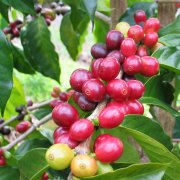
Classification and quality Control system of High quality Coffee Bean Ethiopian Coffee
In Ethiopia, the grading and quality control system of coffee is divided into three levels: producer, regional and national. All coffee is inspected by local inspection agencies before leaving the country of origin, and then re-tested at the coffee inspection and grading centers in Addis and Diredawa to determine its quality grade. Coffee is graded before auction and sale, for all involved in production, acquisition,
2016-05-16 Boutique coffee beans Ethel Searle Biya coffee grading quality control body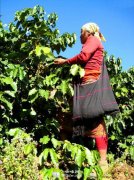
Introduction to the production areas of high-quality coffee beans in Ethiopia
Across the Red Sea and opposite Yemen, Ethiopia is the first place in the world to find coffee trees in Arabica, where coffee is grown almost everywhere in the country. Among them, the eastern Highland Hara (Harra) produces the famous Haramoka, which has a special wine aroma and acidity, which is equivalent to the Yemeni mocha and is a high-quality coffee. So are Sidamo and Djimmah in the south.
2015-01-08 Boutique coffee beans production Ethiopia producing areas introduction Essio Biya Gap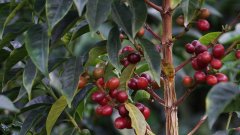
Ethiopia, Damo, Ethiopia, Ethiopia, Sidama, Shaqiso, elevated beds, sun-dried Heirloom coffee.
The coffee flavor of Sidamo is very diverse, because of the different soil composition, regional microclimate and countless native coffee varieties, the coffee produced in each urban area has obvious differences and characteristics. Sidamo producing area (Sidama) is located in the south of Ethiopia. The industry here is mainly agricultural, and the coffee growing area is located around the Great Rift Valley (Great Rift Valley) of East Africa.
2016-05-20 Ethiopia Dharma Yasso Biya Cedar Martha Chiso producing area Viaduct Solar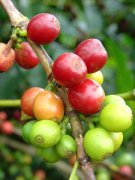
Ethiopia, Damo, Ethiopia, Ethiopia, Sidama, Shaqiso, elevated beds, sun-dried Heirloom coffee.
The coffee flavor of Sidamo is very diverse, because of the different soil composition, regional microclimate and countless native coffee varieties, the coffee produced in each urban area has obvious differences and characteristics. Sidamo producing area (Sidama) is located in the south of Ethiopia. The industry here is mainly agricultural, and the coffee growing area is located around the Great Rift Valley (Great Rift Valley) of East Africa.
2016-05-21 Ethiopia Dharma Yasso Biya Cedar Martha Chiso producing area Viaduct Solar
West Dharma imported 90+levelup raw beans Ethiopia Derar Ela/flower language sun
Ninetyplus90+ Level Up Derar Ela Country: EthiopiaOrigin: Shakiso, Kibremengist, GujiElevation: 1700- 2000mTreatment: SunlightVariety: Ethiopia Native BreedProducer: Local Smallholder Flavors: Berry, Floral, Grape, Various Tropical FruitsRich Aromas Ninety plus is an internationally renowned coffee bean
2016-03-10 Dharma import 90 +levelup raw beans Ethiopia Biya Dera
Four forms of growth and production of Ethiopian Coffee in Coffee producing area
Growth and production patterns: there are four growth production patterns in Ethiopia, and 95% of coffee is produced from these types or systems. 1. Forest grows in southern and southwestern Ethiopia, mostly wild or under natural forests. It provides natural shade for coffee trees, but the resistance is slightly weak. This production system accounts for about
2015-04-15 Coffee beans origin Yisuo Biya coffee growth production 4 species morphology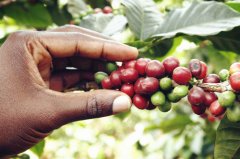
Ethiopian Coffee exports Fine Coffee
Coffee export coffee is Ethiopia's most important export cash crop and the main source of Ethiopia's foreign exchange earnings. Ethiopia's coffee exports account for about 3% of the world market, making it the eighth largest coffee exporter in the world. Coffee exports increased steadily from 58000 tons in 1990 to 110000 tons in 1995-1996 and remained at this level in the following years. two
2016-05-18 Ethel Searle Biya coffee export boutique Ethiopia the heaviest
What are the world-famous Ethiopian coffee? What kind of coffee do you have in Ethiopia? Africa
The world-famous Ethiopian coffee is mainly as follows: 1. Limu coffee grows between 1400 meters and 2000 meters above sea level. Wash the coffee. Excellent quality, with strong nut aromas, suitable acidity, with the intensity of wine. The annual output is 29000 tons. 2. Jima Coffee grows between 1400 and 1800 meters above sea level. Sun-baked coffee. Slightly sour, with nutty aromas and a long finish. Annual output
2016-04-27 World famous Ethel Searle Biya Coffee which Africa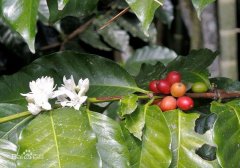
Coffee graded Ethiopian coffee coffee shop
Boutique coffee (specialty coffee) is also called specialty coffee selection coffee. It refers to coffee made from a small number of raw beans with excellent taste grown in an ideal geographical environment. Depending on the special soil and climatic conditions in which they grow, they have outstanding flavor. After strict selection and classification, this kind of coffee is hard in texture, rich in taste and stylish.
2016-06-16 Coffee grading Esso Biya species Coffee Shop boutique speci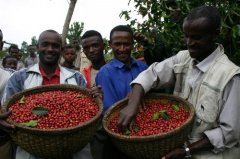
Essex, Damo, Ethiopia, Ethiopia, Sidama, Shaqiso production area, elevated bed sun sun Heirloom boutique coffee.
The coffee flavor of Sidamo is very diverse, because of the different soil composition, regional microclimate and countless native coffee varieties, the coffee produced in each urban area has obvious differences and characteristics. Sidamo producing area (Sidama) is located in the south of Ethiopia. The industry here is mainly agricultural, and the coffee growing area is located around the Great Rift Valley (Great Rift Valley) of East Africa.
2016-05-16 Ethiopia Dharma Yasso Biya Cedar Martha Chiso producing area Viaduct Solar
90+levelup raw beans imported from Sidamo Ethiopia Derar Ela Dre Ella / Flower language Solar
Ninetyplus90+ Level Up Derar Ela country: Ethiopia: Shakiso, Kibremengist, Guji altitude: 1700-2000 m treatment: sun varieties: Ethiopian native species producer: local smallholder flavor: berries, flowers, grapes, a variety of tropical fruits rich aromas Ninetyplus is an internationally renowned coffee bean
2016-03-10 Dharma Import 90+levelup Raw Bean Yesso Biya Dera
Harald coffee beans harar Ethiopian mocha coffee beans
Ethiopia is the first country in the world to grow coffee and maintain the oldest coffee culture. So far, it is still grown in small-scale families and maintains very traditional and ancient coffee growing techniques and methods, so pesticides and other chemical fertilizers will never be used, so Ethiopian coffee, like Yemeni mocha coffee, is the best choice for those who advocate nature.
2016-06-05 Harald Rahl Coffee beans harar Ethel Searle Biya Mocha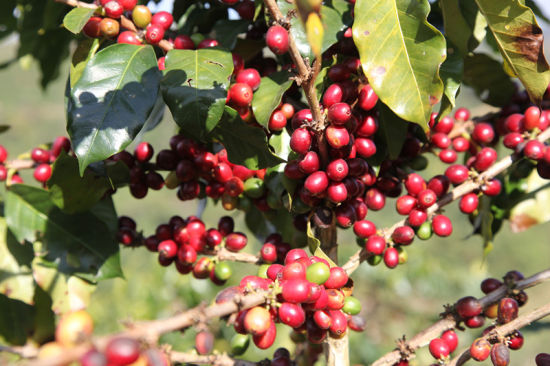
90+ Full Upgrade Ethiopia NistuRuz Nisulu Zhu/Rosemary Clear Wash Ethiopia
Ninetyplus is an internationally renowned coffee bean production and marketing company and is known worldwide for providing rare and unique green coffee beans. JosephBrodsky officially founded Ninetyplus in 2007, and since then, we can see Ninetyplus winning traces in coffee competitions large and small around the world.
2016-04-11 90+ Full Upgrade Esso Biya NistuRuz Nisuu Luju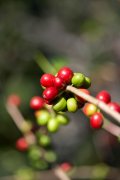
Blueberry, wine-flavored Seymour Sidamo Sidamo Gucci Manor Guji Shaquiso
Boutique coffee (specialty coffee) is also called specialty coffee selection coffee. It refers to coffee made from a small number of raw beans with excellent taste grown in an ideal geographical environment. Depending on the special soil and climatic conditions in which they grow, they have outstanding flavor. After strict selection and classification, this kind of coffee is hard in texture, rich in taste and stylish.
2016-06-25 Blueberries grapes wine flavor Saio Biya Dharma Sidamo Gucci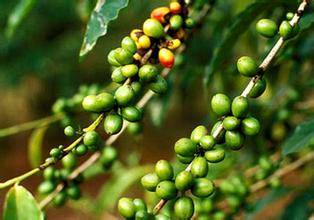
Introduction to the characteristic flavor of four forms of Ethiopian coffee beans grown and produced in Ethiopia coffee
Growth and production patterns: there are four growth production patterns in Ethiopia, and 95% of coffee is produced from these types or systems. 1. Forest grows in southern and southwestern Ethiopia, mostly wild or under natural forests. It provides natural shade for coffee trees, but the resistance is slightly weak. This production system accounts for about
2016-01-23 Esso Biya coffee growth production 4 species morphology Ethiopia coffee beans
Introduction of Arabica Coffee beans with excellent Flavor
Arabica Canephora Robusta has a significant difference. Beans are different, plants are different, and then, their scope of use is also different. Arabica coffee has a rich and delicate taste, strong smell, high acidity and slippery texture: it is not easy to be bitter; caffeine is lower than Robusta coffee. Its excellent flavor and aroma make it the only coffee that can be drunk directly.
2016-07-12 Excellent flavor rabbi coffee beans introduction Allah Biya coffee taste
Ethiopian Coffee Export Coffee Fine Coffee Kenya Yega Chuefei
Coffee export coffee is Ethiopia's most important export cash crop and the main source of Ethiopia's foreign exchange earnings. Ethiopia's coffee exports account for about 3% of the world market, making it the eighth largest coffee exporter in the world. Coffee exports increased steadily from 58000 tons in 1990 to 110000 tons in 1995-1996 and remained at this level in the following years. two
2016-04-22 Ethel Searle Biya Coffee Export Fine goods Kenya Yega Sheffield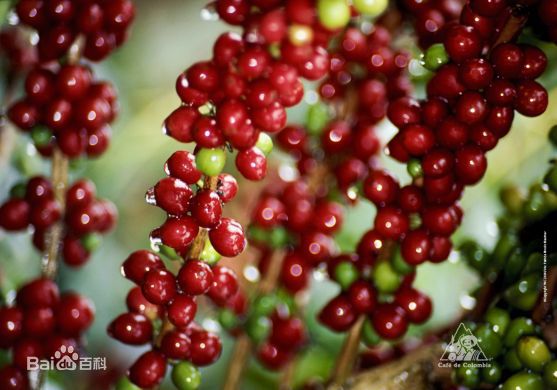
World Coffee History
In the sixth century, Ethiopian shepherds discovered red coffee fruits. In the eleventh century, Arab merchants spread coffee to Europe. In the 16th century, Franz Geora Kolschitzky, a Viennese, established the first coffee shop in Europe. He also started the trend of drinking coffee with milk. In 1554, coffee in Istanbul became black gold, and it was very popular with Ethiopian shepherds in the sixth century.
2016-07-29 World Coffee History sixth Century Yesso Biya Shepherd Discovery Red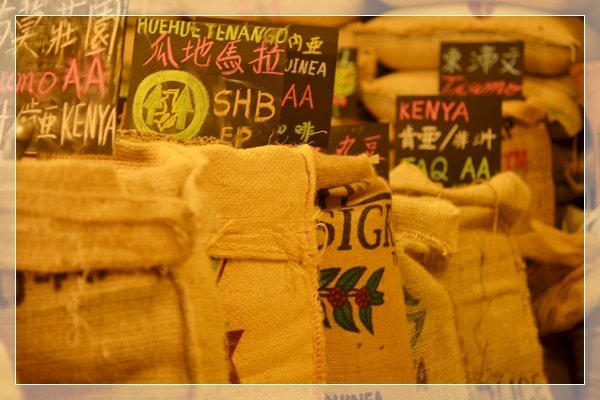
Ethiopia-Ghimbi, Sidamo, Harar and Yegashefi
Ethiopia's coffee-producing areas are divided into east and west parts by the Great Rift Valley. Lakes, volcanoes, lowlands, plateaus and woodlands alternate and evolve independently. Ethiopia has the most diverse coffee ecosystem in the world (forest coffee, semi-forest coffee, pastoral coffee and plantation coffee), which also allows it to preserve its rich Arabica genes. The eastern half is mostly plateau, coffee beans
2016-04-18 Essel Serre Biya Region Manor Kimbi Ghimbi Hilda Ha