“annually” search results (7310)

Average Coffee consumption in all regions of the World Coffee Culture Annual Coffee consumption
This is a list of annual per capita coffee consumption in each country, with the latest data for 2009. [1]. Ranked countries per capita Coffee consumption 1 Finland 12.0 kg 2 Norway 9.9 kg 3 Iceland 9.0 kg (2006 data) 4 Denmark 8.7 kg 5 Netherlands 8.4 kg 6 Sweden 8.2 kg 7 Switzerland 7.9 kg 8 Belgium Luxembourg 6.8 kg 9 Posny
2016-04-26 World region coffee consumption coffee culture annual average consumption this is a
Yunnan Xincheng Farm
Wang Guoshi, legal representative of the farm, with registered capital of 7.78 million yuan and total assets of 14.92 million yuan, mainly produces and sells processed coffee, pepper, mango, longan, banana and other tropical cash crops and fruits. The farm has a total population of 2036, with a total land area of 13125.58 mu, including 4500 mu of coffee, 153mu of pepper and the rest of tropical fruit. Annual output of 320 tons of coffee and 18 tons of pepper
2014-04-27 Yunnan New Town Farm legal Representative Kingdom registered Capital 7.78 million yuan
Introduction to the flavor of Ethiopian coffee
Coffee is Ethiopia's most important export cash crop and the main source of Ethiopia's foreign exchange earnings. Ethiopia's coffee exports account for about 3% of the world market, making it the eighth largest coffee exporter in the world. Coffee exports increased steadily from 58000 tons in 1990 to 110000 tons in 1995-1996 and remained at this level in the following years. 2001-2002
2016-06-05 Ethiopia coffee flavor introduction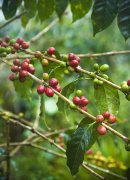
Name and introduction of Ethiopian Coffee Cooperative Organic Coffee African Fine Coffee Flavor
Production area of Sigiga Cooperative (1600-2500 m): Gedeo-Kochere Cochel members: 1862 people Land attribute: red Brown soil Certificate: Fair Trade Fair Trade, UTZ Sustainable cultivation, Organic Organic Coffee Finchewan Cooperative (1450-2000 m) production area: Gedeo-Wenago Vina members: 1271 people Land attribute: reddish Brown
2016-07-08 Ethiopia coffee cooperative name introduction organic Africa boutique flavor
What are the world-famous coffee producing areas in Hawaii?
Colombia: the fun of exploring diversity annual output: 660000 tons many small Colombian coffee farmers grow, harvest and process their coffee beans independently, resulting in some refreshing single-plot coffee, their quality reflects the ingenuity of coffee farmers, as well as the unique culture in which they live. Ryan Knapp, manager of Madcap Coffee Company. Columbia Coffee is the biggest.
2016-06-06 Hawaii coffee producing areas the world famous which Colombia exploration diversity
Let's analyze the current situation of the coffee market.
2014 is a stage of competitive development for the coffee industry. Under the impact of many coffee brands, are you ready to enter the coffee industry?
2014-05-29 Coffee news coffee market coffee status
Ethiopian boutique coffee Ethiopia boutique coffee flavor Ethiopian boutique coffee
Coffee is Ethiopia's most important export cash crop and the main source of Ethiopia's foreign exchange earnings. Ethiopia's coffee exports account for about 3% of the world market, making it the eighth largest coffee exporter in the world. Coffee exports increased steadily from 58000 tons in 1990-91 to 110000 tons in 1995-96 and remained at this level in the following years. 2001-2002
2016-03-19 Ethiopia boutique coffee flavor
Ethiopian fine coffee with intense nutty aromas Taste Introduction
Coffee is Ethiopia's most important export cash crop and the main source of foreign exchange earnings. Ethiopia's coffee exports account for about 3% of the world market share, making it the eighth largest coffee exporter in the world. Coffee exports increased steadily from 58,000 tons in 1990-1991 to 110,000 tons in 1995 - 1996 and remained at that level for the next few years. 2001 - 2002
2016-07-19 rich nutty aroma ethiopia fine coffee flavor taste presentation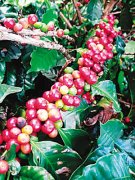
The annual consumption of coffee paper cups in the UK is huge, but the recovery rate of coffee is less than 1%.
Boutique coffee has a strict grading system. Generally, raw beans are preserved in parchment coffee beans in the form of endocarp after processing, and the endocarp is removed before export. Go through a strict grading process to ensure the uniformity of quality. And it is very important to preserve the protection in the process of transportation, such as the control of temperature and humidity, the control of ventilation, avoiding odor adsorption and so on.
2016-05-25 UK coffee paper cups consumption huge recovery rate less than environmental protection boutique
Ethiopian Limu Coffee introduces the Manor of Coffee producing area
Coffee is Ethiopia's most important export cash crop and the main source of Ethiopia's foreign exchange earnings. Ethiopia's coffee exports account for about 3% of the world market, making it the eighth largest coffee exporter in the world. Coffee exports increased steadily from 58000 tons in 1990 to 110000 tons in 1995-1996 and remained at this level in the following years. 2001-2002
2016-06-16 Ethiopia Tochigi Coffee introduction producing area Manor
Is Kenya African beans: there are several brands of kenya coffee Kenyan coffee beans.
Ethiopia is the birthplace of the famous Arabica coffee beans, and people have always maintained the tradition of harvesting wild coffee beans. The coffee garden at an altitude of more than 1500 meters has formed a unique coffee style after thousands of years of evolution and adaptation. Ethiopian coffee grown in the natural wild environment is called wilderness coffee, which retains the most primitive and natural taste of coffee beans.
2016-05-23 Kenya Africa beans kenya coffee coffee beans several kinds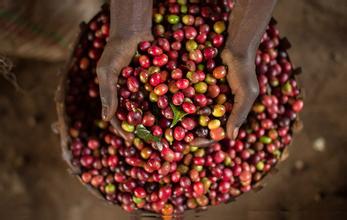
Boutique coffee beans Ethiopian coffee the latest coffee introduction unique flavor
Coffee is Ethiopia's most important export cash crop and the main source of Ethiopia's foreign exchange earnings. Ethiopia's coffee exports account for about 3% of the world market, making it the eighth largest coffee exporter in the world. Coffee exports increased steadily from 58000 tons in 1990 to 110000 tons in 1995-1996 and remained at this level in the following years. 2001-2002
2016-01-01 Boutique coffee beans Ethiopia coffee latest introduction flavor unique
The growing environment of coffee trees in Ethiopia introduces Ted Manor
Coffee is Ethiopia's most important export cash crop and the main source of Ethiopia's foreign exchange earnings. Ethiopia's coffee exports account for about 3% of the world market, making it the eighth largest coffee exporter in the world. Coffee exports increased steadily from 58000 tons in 1990 to 110000 tons in 1995-1996 and remained at this level in the following years. 2001-2002
2016-06-15 Ethiopia Coffee growth Environment introduction Ted Manor
The growing environment of coffee trees in Ethiopia introduces Ted Manor
Coffee is Ethiopia's most important export cash crop and the main source of Ethiopia's foreign exchange earnings. Ethiopia's coffee exports account for about 3% of the world market, making it the eighth largest coffee exporter in the world. Coffee exports increased steadily from 58000 tons in 1990 to 110000 tons in 1995-1996 and remained at this level in the following years. 2001-2002
2016-06-15 Ethiopia Coffee growth Environment introduction Ted Manor
Ethiopian coffee bean producing area of Ethiopian coffee bean flavor manor
Coffee is Ethiopia's most important export cash crop and the main source of Ethiopia's foreign exchange earnings. Ethiopia's coffee exports account for about 3% of the world market, making it the eighth largest coffee exporter in the world. Coffee exports increased steadily from 58000 tons in 1990 to 110000 tons in 1995-1996 and remained at this level in the following years. 2001-2002
2016-07-18 Ethiopia coffee beans flavor manor producing area
Introduction to the flavor and taste of Ethiopian boutique coffee beans
Coffee is Ethiopia's most important export cash crop and the main source of Ethiopia's foreign exchange earnings. Ethiopia's coffee exports account for about 3% of the world market, making it the eighth largest coffee exporter in the world. Coffee exports increased steadily from 58000 tons in 1990 to 110000 tons in 1995-1996 and remained at this level in the following years. 2001-2002
2016-07-13 Ethiopia boutique coffee beans variety flavor taste introduction
Yunnan Coffee Factory enters the National Market
In January 2013, Yunnan Coffee Factory started construction of two shifts with an annual output of 5000 tons of instant 3-in-1 production line. At present, the project is progressing smoothly. Li Sijun, director of the Yunnan coffee factory, said: according to the plan, the project will be put into trial production in the second half of this year. The production line with an annual output of 5000 tons was put into production this year. The reporter learned that the instant 3-in-1 production line with an annual output of 5000 tons in two shifts of Yunnan coffee factory includes construction.
2014-08-06 Yunnan coffee factory marching national market 2013 January coffee
The growing environment of coffee
Coffee is native to tropical Africa, the small seed is originated in the tropical plateau of Ethiopia, between 900 and 1800 meters above sea level, with an average annual temperature of 19C; the medium seed is native to the tropical rain forest region of the Congo, below 900 meters above sea level, with an average annual temperature of 2126. C
2014-06-16 Coffee knowledge Coffee growth Coffee Encyclopedia
The unique aroma of Ethiopian Sidama Coffee Estate Introduction Ted Estate
Coffee is Ethiopia's most important export cash crop and the main source of foreign exchange earnings. Ethiopia's coffee exports account for about 3% of the world market share, making it the eighth largest coffee exporter in the world. Coffee exports increased steadily from 58,000 tons in 1990-1991 to 110,000 tons in 1995 - 1996 and remained at that level for the next few years. 2001 - 2002
2016-08-06 unique fragrant ethiopian Dharma coffee estate appellation presentation Ted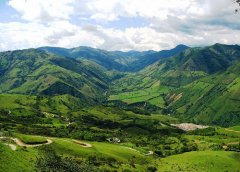
Costa Rican Diamond Hill Manor single Black Coffee
Costa Rican coffee cultivation was introduced by Cuba in 1779 and exported for the first time in 1820. There are about 32000 coffee farmers, with an average planting area of less than one hectare (10000 hectares) per farmer. Costa Rica has a population of 41 billion (2006), with a coffee planting area of 82500 hectares and an annual production of 1.7 million bags (60kgs per bag). The annual domestic consumption is 380000 bags.
2016-05-30 Costa Rica Stone Mountain Manor single Black Coffee planting