“amino acid” search results (400)
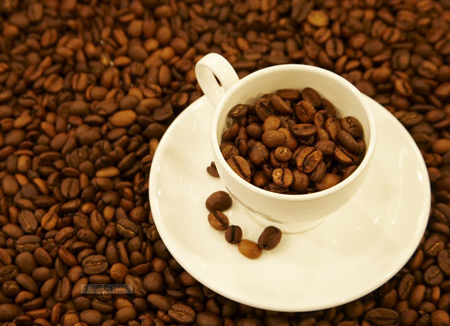
Coffee Flavor Wheel-World's Third Wave of Coffee Aesthetics
Deep baking highlights wood incense Light baking can highlight the bright smell of flowers, grass, fruit acid fragrance, but there is no medicine to save the deep baking fans love the incense, stuffy fragrance, choking fragrance and alcohol of resin components, which is the product of Mena reaction and dry distillation. (resin component: pine and cedar families of conifers, both of which secrete oleoresin compounds and have a pungent aroma to resist pests or squirrel nibbling) destructive distillation
2015-11-13 coffee flavor world third aesthetic dark roast highlight woody incense light roast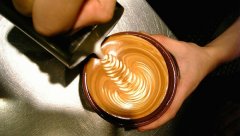
The expression of alcohol and strength in the analysis of coffee components
For coffee, the touch of the mouth and palate comes from fatty oil, a liquid ingredient insoluble in water, and a sediment suspended in coffee water after brewing. In addition to providing texture for the overall taste of coffee, suspended matter in coffee also affects the taste of coffee by forming colloids. 1.Fatty oil raw coffee beans contain 7% Mui 17% fat.
2015-09-16 Coffee composition analysis mellowness strength expression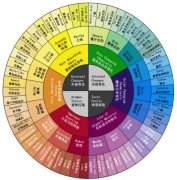
Coffee Bean roasting Coffee roasting and Coffee Flavor Wheel
Deep baking highlights that light roasting of wood incense can highlight the bright smell of sour flowers, grass and fruit, but hopeless deep-baked fans fall in love with resin incense, smelling, choking aroma and alcohol smell, which is the product of Mena reaction and dry distillation. (resin composition: pine and cypress Pinaceae and Taxodiaceae, both secrete olefins with spicy aroma to protect against insect pests or squirrels.) dry distillation
2015-09-01 Coffee beans roasting common sense coffee flavor deep roasting highlighting wood incense light roasting
Full and juicy Muscat Coffee Manor Flavor and Taste characteristics of Indonesian Fine Coffee
Kopi Luwak is produced by the feces of Indonesian coconut cats (a kind of civet) as raw materials, so it is called Kopi Luwak. This kind of animal mainly feeds on coffee beans. After completing fermentation in the coconut cat's stomach, it destroys proteins, produces short peptides and more free amino acids, reduces the bitterness of coffee, and then excretes feces as the main raw material. Because coffee beans cannot be digested, they will be
2016-08-08 Full juicy musk coffee manor producing area flavor taste characteristics introduction
The public is deeply worried about functional beverage additives.
People have never stopped questioning the energy drink, which mainly stems from the confusion about its safety-it is not a medicine, but it does work after drinking it. Where does its energy come from? What has been added?
2014-05-29 Worries energy drinks the public additives
What is the flavor of deep-roasted coffee? what is the flavor of deep-roasted coffee beans? deep-roasted Mantenin Italian mixed beans commercial coffee
Alcohol has been deeply roasted since 1962, when two Nobel laureates, Reichstein and Stottinger, pointed out that uran, mercaptan, and alkylpyrazine. After Diketone is the key point to make coffee aroma, in fact, scientists have made great progress in this field over the years. Thomas H.
2016-07-01 Roasting Coffee Flavor what Coffee beans Mant Italian blending Commercial make
The basic chemical reaction of coffee knowledge during coffee roasting.
Many thermal and chemical reactions take place during baking: decarbonation, dehydration of quinic acid, subdivision, isomerization, polymerization, and complex sugar reactions (caramelization). The main components of the thermal reaction are monosaccharides and sucrose, chlorogenic acid, free amino acids, and fenugreek amide. Both aravinose and calactose in the polysaccharides are transferred, and the basic vulcanization process includes hydroxylamine.
2014-12-31 Coffee knowledge baking process medium hair raw basic chemical reaction passing
Basic chemical reactions that occur during coffee roasting
Many thermal and chemical reactions take place during baking: decarbonation, dehydration of quinic acid, fragmentation, isomerization, polymerization, and complex sugar reactions (caramelization). The main thermally reactive components are monosaccharides and sucrose, chlorogenic acid, displaced amino acids, and trigonelline amide. Both aravinone and calactose in polysaccharides are transferred, and basic sulfurization contains hydroxyamino acids.
2014-08-20 Coffee knowledge Coffee roasting Chemical changes Coffee encyclopedia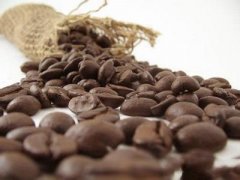
Effect of roasting on Brown Coffee Powder
Roasting causes physical and chemical changes in coffee beans and ingredients, which determine the color and ignorance of brown coffee powder.
2014-07-12 Coffee knowledge coffee roasting coffee encyclopedia
The basic chemical reaction that takes place during coffee roasting.
Many thermal and chemical reactions take place during baking: decarbonation, dehydration of quinic acid, subdivision, isomerization, polymerization, and complex sugar reactions (caramelization). The main components of the thermal reaction are monosaccharides and sucrose, chlorogenic acid, free amino acids, and fenugreek amide. Both aravinose and calactose in the polysaccharides are transferred, and the basic vulcanization process includes hydroxylamine.
2014-11-22 Coffee knowledge coffee common sense coffee roasting chemical reaction
The basic chemical reactions that take place during coffee roasting
Many thermal and chemical reactions take place during baking: decarbonation, dehydration of quinic acid, subdivision, isomerization, polymerization, and complex sugar reactions (caramelization). The main components of the thermal reaction are monosaccharides and sucrose, chlorogenic acid, free amino acids, and fenugreek amide. Both aravinose and calactose in the polysaccharides are transferred, and the basic vulcanization process includes hydroxylamine.
2015-10-15 Coffee roasting process medium hair raw basic chemical reaction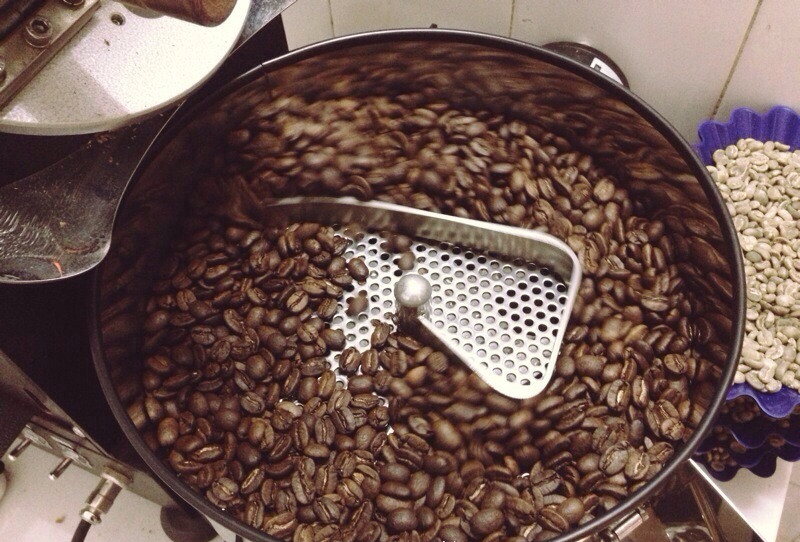
Basic chemical reactions of coffee beans during coffee roasting
Many thermal and chemical reactions take place during baking: decarbonation, dehydration of quinic acid, subdivision, isomerization, polymerization, and complex sugar reactions (caramelization). The main components of the thermal reaction are monosaccharides and sucrose, chlorogenic acid, free amino acids, and fenugreek amide. Both aravinose and calactose in the polysaccharides are transferred, and the basic vulcanization process includes hydroxylamine.
2015-03-16 Coffee roasting process coffee beans raw basic chemical reaction
The basic chemical reactions that take place during coffee roasting
Many thermal and chemical reactions take place during baking: decarbonation, dehydration of quinic acid, subdivision, isomerization, polymerization, and complex sugar reactions (caramelization). The main components of the thermal reaction are monosaccharides and sucrose, chlorogenic acid, free amino acids, and fenugreek amide. Both aravinose and calactose in the polysaccharides are transferred, and the basic vulcanization process includes hydroxylamine.
2014-08-21 Coffee roasting process medium hair raw basic chemical reaction
The basic chemical reactions that take place during coffee roasting.
Many thermal and chemical reactions take place during baking: decarbonation, dehydration of quinic acid, subdivision, isomerization, polymerization, and complex sugar reactions (caramelization). The main components of the thermal reaction are monosaccharides and sucrose, chlorogenic acid, free amino acids, and fenugreek amide. Both aravinose and calactose in the polysaccharides are transferred, and the basic vulcanization process includes hydroxylamine.
2015-01-08 Coffee common sense baking process medium hair raw basic chemical reaction passing
The basic chemical reaction of coffee technology in the process of coffee roasting
Many thermal and chemical reactions take place during baking: decarbonation, dehydration of quinic acid, subdivision, isomerization, polymerization, and complex sugar reactions (caramelization). The main components of the thermal reaction are monosaccharides and sucrose, chlorogenic acid, free amino acids, and fenugreek amide. Both aravinose and calactose in the polysaccharides are transferred, and the basic vulcanization process includes hydroxylamine.
2014-10-09 Coffee knowledge coffee technology coffee roasting baking chemical reaction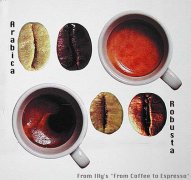
Coffee flavor is most affected by the factor "mercaptan" to create deep-roasted and light-roasted coffee beans.
Boutique coffee (specialty coffee) is also called specialty coffee selection coffee. It refers to coffee made from a small number of raw beans with excellent taste grown in an ideal geographical environment. Depending on the special soil and climatic conditions in which they grow, they have outstanding flavor. After strict selection and classification, this kind of coffee is hard in texture, rich in taste and stylish.
2016-06-13 Coffee flavor influence big factor mercaptan brewing deep roasting strong aroma light roasting
The origin of Kopi Luwak Kopi Luwak how much is Kopi Luwak a jin of Indonesian Kopi Luwak
Kopi Luwak can be produced in many ways, one is to pick up coffee beans discharged by civets after eating coffee beans in a natural coffee garden, and a kind of artificially fed coffee beans. In the production process of Kopi Luwak in Yunnan, China, some farmers adopt the method of semi-captivity, the civet moves freely in the greenhouse, and the coffee beans are eaten freely by it. The mode of production is quite reasonable, but the yield is low. Process
2016-05-05 Cat shit coffee reason less money one jin Indonesia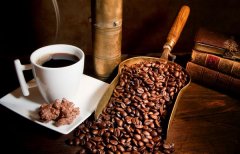
The basic knowledge of coffee the taste and taste of coffee
The sensory evaluation of coffee flavor is divided into three stages: smell, taste and taste. The sense of smell of coffee refers to the sensation of olfactory organs. People smell the smell because the receptors at the nasal septum are stimulated by volatile chemicals, usually containing hydrogen, carbon, nitrogen, oxygen or sulfur. When these chemicals are forced in the form of gases
2014-09-19 Coffee knowledge coffee basics coffee taste coffee tasting
Can coffee and tea go together?
Coffee and tea are the mainstream drinks at present. In any country or region, coffee and tea can be seen. One is a representative drink of the West and the other represents Eastern culture. Can coffee and tea be drunk together?
2014-05-22 Coffee knowledge Coffee health Coffee encyclopedia
Coffee has over 800 aromas.
It can be sensed through the nose or by snorting back. Respirating occurs when coffee is present in the mouth or has been swallowed and the fragrant restorative substance wafts up the nasal passages. More than 800 aromas have been found in coffee, and more will be discovered as the accuracy of the analysis improves. Coffee smells bad.
2014-10-13 coffee knowledge fine coffee aroma coffee aroma