“after the 17th century” search results (200)
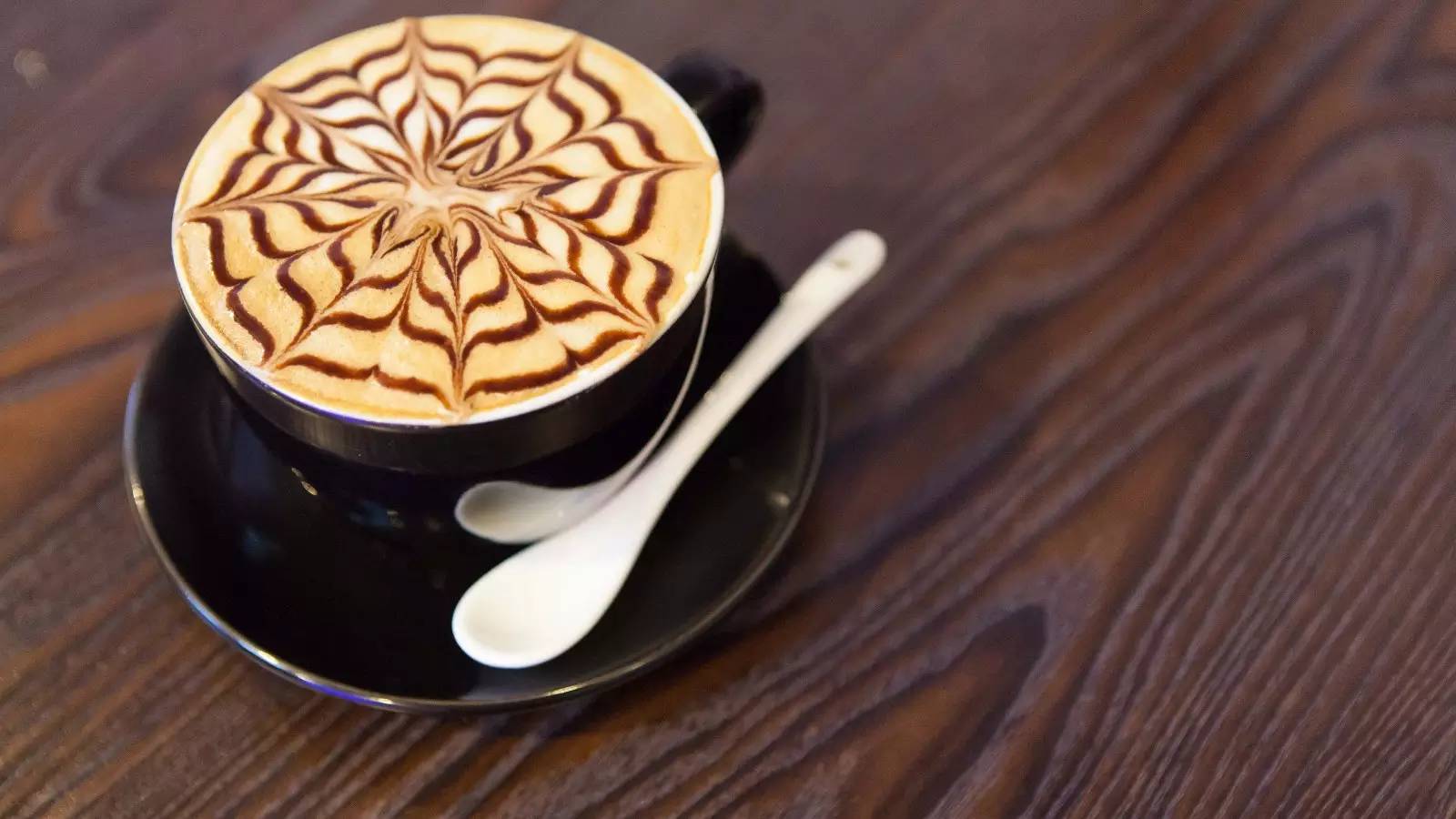
Coffee dissemination chronology
Arab (eleventh century) Egypt, Syria (13th century) Damascus (16th century) Europe (17th century) the earliest people who planned to grow and eat coffee were Arabs. At the beginning of the eleventh century, people in the Arab region boiled coffee into soup or dried it and then boiled it as stomach medicine. Because of the strict Muslim precepts and forbidden to drink alcohol, Muslims
2016-10-19 Coffee spread chronology Arab first Century Egypt Syria . Thirteen
Coffee dissemination chronology
Coffee spread to Arabia (eleventh century), Egypt, Syria. (13th century) Damascus (16th century) Europe (17th century) the first people to plan to grow and eat coffee were Arabs. At the beginning of the eleventh century, people in the Arab region boiled coffee into soup or dried it and then boiled it as stomach medicine. Because Muslim precepts are strict and alcohol is strictly forbidden, Muslims
2014-07-01 Coffee spread Coffee History
Coffee training Culture Coffee and Japanese Culture
As early as the end of the 17th century, the Dutch brought coffee to Asia in the early 18th century, and coffee was soon introduced to Japan. Before and after the Meiji Restoration, Japan advocated total westernization, and the coffee culture with Dutch flavor took root in Japan. During the Taisho period (1879-1926), due to the pervasive atmosphere of freedom and democracy, fresh and luxuriant culture, cafes have been very prosperous. But with the Japanese army,
2015-03-16 Coffee training culture Japan as early as the 17th century the end of the century the eighteenth century the Dutch
Roasting coffee beans with technology-modified ruts
Although coffee drinking and growing methods developed dramatically in the seventeenth and eighteenth centuries, progress in roasting was very poor. The most common method of roasting at the time was to follow the Middle Eastern method of simple roasting: placing green coffee beans in an iron pan, then moving to a fire and roasting, stirring until the coffee beans were evenly mixed.
2015-04-13 technology improvement rutting roasting coffee beans though seventeenth eighteenth century coffeeThe origin of coffee
Legend has it that three thousand years ago, shepherds and monks in the mountains of Ethiopia were excited to find that their sheep had eaten unknown fruits and leaves. They were initially regarded as medicines to treat mild headaches and diarrhea, and it was not until the fifteenth and sixteenth centuries that they evolved into the present method of drinking among Arabs. Second, spread and promote A. Coffee is the earliest.
2014-08-22 Coffee origin discovery legend three thousand years ago Yesso Pia Ethiop
Basic knowledge of Coffee and Japanese Fine Coffee Culture
As early as the end of the 17th century, the Dutch brought coffee to Asia in the early 18th century, and coffee was soon introduced to Japan. Before and after the Meiji Restoration, Japan advocated total westernization, and the coffee culture with Dutch flavor took root in Japan. During the Taisho period (1879-1926), due to the pervasive atmosphere of freedom and democracy, fresh and luxuriant culture, cafes have been very prosperous. But with the Japanese army,
2015-07-27 Coffee Japan boutique coffee culture basic common sense as early as at the end of the 17th century
Coffee has become a popular drink, thanks to the Japanese.
As early as the end of the 17th century, the Dutch brought coffee to Asia in the early 18th century, and coffee was soon introduced to Japan. Before and after the Meiji Restoration, Japan advocated total westernization, and the coffee culture with Dutch flavor took root in Japan. During the Taisho period (1879-1926), due to the pervasive atmosphere of freedom and democracy, fresh and luxuriant culture, cafes have been very prosperous. But with the Japanese army,
2015-01-15 Coffee popular beverage Japanese played an important role as early as the 17th century.
Six questions related to coffee can coffee suppress sexual impulses?
Can coffee suppress sexual impulses? in the early 17th century, when Europeans began to experiment with coffee, it was a popular idea in Britain that coffee could suppress sexual impulses, drink too much and even lose sexual ability, and it was a favorite drink for abstinent monks. Under this concept, it is worth noting that the first cafe in London was able to open around 1688. Relative to
2015-06-24 Coffee related six problems ability restraint impulse
Coffee history and culture have been controversial and have been considered important factors affecting children's learning.
Now we all know coffee is a good thing, but people used to think differently. Let's look back at centuries of endless debate over coffee. 16th century: Coffee can make people excited Legend has it that a shepherd named Kaldi in Ethiopia discovered that his sheep suddenly became excited after eating an oily green leaf and red berries. He tasted it himself.
2015-11-27 coffee history and culture controversial once considered influence children learning
Where did the earliest coffee come from? how was the earliest coffee handled in the first place?
The cultivation and production of coffee in the 17th century has always been monopolized by Arabs. At that time, it was mainly used in medicine and religion, and doctors and monks admitted that coffee had the effects of refreshing, awakening, strengthening the stomach, strengthening the body and stopping bleeding. The use of coffee was documented at the beginning of the 15th century and was integrated into religious ceremonies during this period. At the same time, it also appeared in the folk as a daily drink. Because of Islam
2016-05-24 Early coffee from where start how deal with 17th century
When did coffee become popular?
The cultivation and production of coffee in the 17th century was monopolized by Arabs. It was used mainly in medicine and religion, doctors and monks recognized coffee as refreshing, refreshing, invigorating, strengthening, hemostatic, etc.; the use of coffee began to be documented in the early 15th century, and it was incorporated into religious ceremonies during this period, as well as appearing in folk as a daily drink. Islam
2016-08-01 coffee beans origin coffee when popular rise 17th century species
Vanishing Arabian Wild Yemeni Coffee beans
Although Ethiopia is the birthplace of Arabica, the first coffee that Europeans drank from the end of the 17th century to the beginning of the 18th century came from Yemen. At that time, all African or Arabian coffee was exported from the port of Mocha, so that Mocha became synonymous with coffee, while Harald, the capital of the city walls, became a supporting role. However, three hundred years later, Yemeni coffee is no longer what it used to be.
2015-04-01 Vanish middle Arab wild Yemen coffee beans Ethiopia though pull
Arab wildness in the disappearance of Yemeni Coffee
Although Ethiopia is the birthplace of Arabica, the first coffee that Europeans drank from the end of the 17th century to the beginning of the 18th century came from Yemen. At that time, all African or Arabian coffee was exported from the port of Mocha, so that Mocha became synonymous with coffee, while Harald, the capital of the city walls, became a supporting role. However, three hundred years later, Yemeni coffee is no longer what it used to be.
2015-02-11 Yemen coffee vanishing medium Arab wild Ethiopia though rabbi
Introduction to the making method of coffee, one of the three major drinks in the world
The cultivation and production of coffee in the 17th century has always been monopolized by Arabs. At that time, it was mainly used in medicine and religion, and doctors and monks admitted that coffee had the effects of refreshing, awakening, strengthening the stomach, strengthening the body and stopping bleeding. The use of coffee was documented at the beginning of the 15th century and was integrated into religious ceremonies during this period. At the same time, it also appeared in the folk as a daily drink. Because of Islam
2016-06-29 World three Beverage one Coffee making way introduction 17th Century
Six questions related to Coffee
Coffee is a symbol of taste, fashion and cozy life, and its Fangchun is indispensable in the city. Answer six questions about coffee for you. Can coffee suppress sexual impulses? in the early 17th century, Europeans began to try to drink coffee. At that time, a popular idea in Britain was that coffee could suppress sexual impulses, drink too much and even lose sexual ability, which was liked by abstinent monks.
2014-09-28 Coffee knowledge coffee problems coffee common sense
Six questions related to Coffee
Coffee is a symbol of taste, fashion and cozy life, and its Fangchun is indispensable in the city. Answer six questions about coffee for you. Can coffee suppress sexual impulses? in the early 17th century, Europeans began to try to drink coffee. At that time, a popular idea in Britain was that coffee could suppress sexual impulses, drink too much and even lose sexual ability, which was liked by abstinent monks.
2014-11-19 Coffee knowledge coffee common sense coffee problem
Yemeni coffee-vanishing Arab wild all-sun coffee beans China Coffee Network
Although Ethiopia is the birthplace of Arabica, the first coffee that Europeans drank from the end of the 17th century to the beginning of the 18th century came from Yemen. At that time, all African or Arabian coffee was exported from the port of Mocha, so that Mocha became synonymous with coffee, while Harald, the capital of the city walls, became a supporting role. However, three hundred years later, Yemeni coffee is no longer what it used to be.
2016-04-20 Yemen Coffee Vanishing medium Arabian Wild Sun Coffee beans China Egypt
Coffee honey-wine made from coffee
So now, please pick up a cup of hot coffee, take a deep breath to feel the unique mellow and fragrant, and then start to think about a question: can such fragrant coffee also turn into wine? The answer is: there was wine made from coffee more than 300 years ago, which is the very famous coffee honey. The earliest coffee was grown in Ethiopia.
2014-04-27 Coffee brewed so now please pick up a cup hot coffee deep ground
a fine wine made from coffee.
A cup of coffee is always a pleasant thing to enjoy, no matter what the occasion. So now, please pick up a cup of hot coffee, take a deep breath to feel that unique mellow and fragrant, and then start thinking about a question: Can such a fragrant coffee also make wine? The answer is: coffee has been brewed for more than 300 years, which is
2014-05-23 Coffee culture mellow wine
Six questions related to coffee can coffee suppress sexual impulses?
Coffee is a symbol of taste, fashion and cozy life, and its Fangchun is indispensable in the city. Answer six questions about coffee for you. Can coffee suppress sexual impulses? in the early 17th century, Europeans began to try to drink coffee. At that time, a popular idea in Britain was that coffee could suppress sexual impulses, drink too much and even lose sexual ability, which was liked by abstinent monks.
2015-10-12 Coffee related six problems ability restraint impulse