“about crops” search results (2000)

Introduction to the treatment methods of roasting degree of high-quality coffee beans in Ethiopian coffee producing areas
Coffee is Ethiopia's most important export cash crop and the main source of Ethiopia's foreign exchange earnings. Ethiopia's coffee exports account for about 3% of the world market, making it the eighth largest coffee exporter in the world. Coffee exports increased steadily from 58000 tons in 1990 to 110000 tons in 1995-1996 and remained at this level in the following years. 2001-2002
2016-09-26 Ethiopia coffee producing areas characteristics boutique coffee beans roasting degree processing
Aromatic Burundi Fine Coffee Flavor Taste Manor Features
Burundi is one of the least developed countries in the world declared by the United Nations. The economy is dominated by agriculture. More than 90% of the population is engaged in agriculture and animal husbandry. The main food crops are corn, rice, sorghum, potato and banana. The main cash crops are coffee, tea, cotton and so on. Animal husbandry has declined in recent years. The main industries are agricultural products processing, textile, cigarette, power generation and so on. Burundi
2016-08-11 Aroma Burundi Boutique Coffee Flavor Taste Manor Region Characteristics
Good average quality; aromatic and full-bodied Ethiopian coffee plantation taste characteristics
Ethiopian coffee beans grow in a near-natural environment. After years of cultivation under the same growing conditions, Ethiopian coffee beans have gradually adapted to the environment here. More than 60% of coffee beans are forest or semi-forest grown coffee. Coffee farming villages produce about 35 percent of the country's coffee.
2016-09-13 average good quality smell mellow thick ethiopian coffee estate producing area
Natural organic fertilizer "coffee grounds" to grow mushrooms
In a week, you can not only harvest three crops of organic, green and natural edible fungi, but also do environmental protection easily. A few days ago, more than 1000 households in Tangqiao Street received a special gift from Xingeng Workshop, a public welfare organization, a bacterial stick made of coffee grounds. The reporter learned from the Pudong New area that after the pilot project in Tangqiao, this creative environmental protection volunteer action is expected to be further promoted. 35 per drink
2015-10-28 Natural organic fertilizer coffee grounds mushrooms one week time only harvest three crops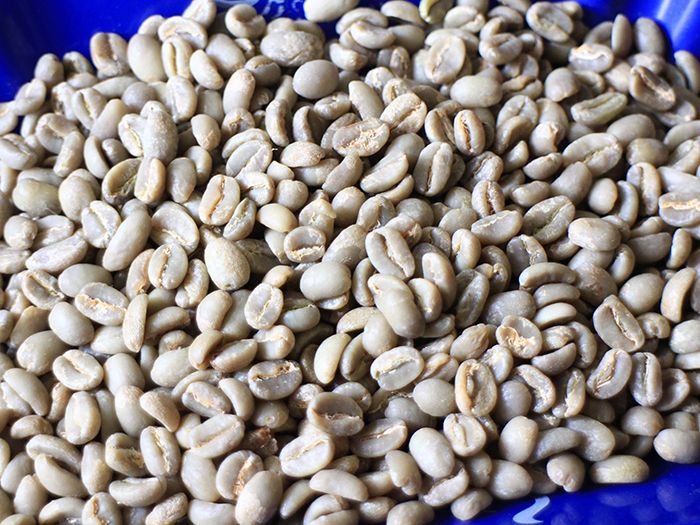
What kind of raw beans are high-quality raw beans? How to choose raw coffee beans? Xida, Ethiopia
What kind of raw beans are high-quality raw beans? First look at the surface of beans, fresh and high-quality raw beans, the surface is shiny, in addition, the processing of good raw beans, uniform color, the surface of uneven color can not be called good beans, must choose uniform color. Secondly, the particle size is the same, which is also evidence of good quality management. Make sure that the particle size is the same when you buy it.
2016-04-14 How raw beans is quality how selection coffee Ethiopia Xida
Fair Trade and Ecological Sustainable Coffee ─ from Libreville Field to Fair Trade
Coffee shops abound in the city, and office workers enjoy a good morning with a cup of coffee in fashionable coffee shops; if they are in a hurry, they may consider convenience stores; in less than five minutes, they can enjoy full-bodied coffee and start a refreshing work day. I do not know since when, Taiwanese life gradually can not be separated from coffee. What used to be common was convenience.
2016-07-22 Fair easy with ecological sustainable coffee will trade
Ethiopian coffee plantation flavor taste introduction Ethiopian coffee characteristics
35% of coffee is courtyard coffee. In this coffee garden, the planting is three-dimensional distribution. Coffee sits in the lower layers, in the shade of other crops, to get the right environment to grow. Fertilizer is mainly deciduous, withered grass and animal manure. 5% of coffee is plantation coffee. This is a modern way of growing coffee. Coffee is grown in forests, but new varieties are used and mixed with other trees.
2016-08-04 Ethiopia Coffee Manor Region Flavor Taste Introduction Characteristics 35%
From planting coffee trees to harvesting coffee beans
Coffee trees take 3-5 years from planting to fruiting. 6-10 years of coffee trees are the most likely to bear fruit, about 15-20 years, is the harvest period.
2014-07-14 Coffee knowledge coffee tree planting coffee planting process coffee beans
Coffee planting conditions Coffee planting techniques in China
In the 19th century, coffee was grown almost all over the country, followed by a coffee boom that lasted nearly a century. The extensive cultivation of coffee has brought wealth and prosperity to Brazil. At the beginning of the 20th century, Brazil accounted for more than 75% of the world's total coffee production, thus winning the reputation of the coffee kingdom. Coffee is one of the important pillars of Brazil's national economy. The whole country
2016-07-16 Coffee planting conditions China Technology 19th Century Brazil several
Raw coffee beans
When it comes to coffee beans, what does it look like in your mind? Black? Glittering? Do you remember when you first saw coffee and raw beans? Do you remember what it was like to see coffee and raw beans for the first time? Raw coffee beans are the processed products of the seeds in the coffee fruit on the coffee tree. Most of the coffee-producing countries export raw coffee beans. Coffee and raw beans need to go through
2014-09-03 Raw coffee beans
Drought causes Brazilian coffee to suffer the biggest loss in 50 years
The state of Sao Paulo, an important agricultural producing area in Brazil, is likely to suffer the biggest losses in 50 years this year after the worst drought in 80 years, the Institute of Agricultural Economics of Sao Paulo said a few days ago. According to statistics, the average rainfall in some major agricultural areas in Sao Paulo state in October was only 26 millimeters, far below the normal level of 120 millimeters. High temperature and drought directly affect coffee, sugar cane and jade in Sao Paulo.
2014-11-25 Coffee news Brazil drought coffee production decline
Introduction to the treatment methods of roasting degree and grinding degree of Ethiopian coffee flavor description varieties
Coffee is Ethiopia's most important export cash crop and the main source of Ethiopia's foreign exchange earnings. Ethiopia's coffee exports account for about 3% of the world market, making it the eighth largest coffee exporter in the world. Coffee exports increased steadily from 58000 tons in 1990 to 110000 tons in 1995-1996 and remained at this level in the following years. 2001-2002
2016-09-29 Ethiopia Coffee Flavor description Variety Baking degree Grinding treatment
Ethiopian Coffee Flavor introduces the characteristics of Ethiopian Coffee
35% of the coffee is courtyard coffee. In this kind of coffee garden, the planting is three-dimensional. Coffee is located in the lower layer and gets a suitable growth environment in the shade of other crops. Fertilizers are mainly fallen leaves, withered grass and animal manure. 5% of the coffee belongs to plantation coffee. This is a modern way of growing coffee, which is also grown in forests, but uses new varieties and works with others.
2016-07-26 Ethiopia coffee flavor introduction characteristics variety 35% belongs to
Coffee: a commodity to be awakened by the Chinese factor
Elegant and romantic Starbucks, mellow cafes. What you may not imagine is that behind the quiet and pleasant scene is the choppy coffee market.
2014-07-10 Coffee news coffee prospect in China coffee industry trend
Some physical indexes about coffee
Love coffee, learn coffee, can not only rely on a feverish brain and emotional heart, scientific analysis is essential and solid foundation, re-understanding of coffee with a more objective and scientific vision. As a product of nature, coffee, like many other crops, has its own physical characteristics, and coffee ranges from red coffee fruits to green raw beans to roasted raw beans.
2014-09-11 Coffee knowledge coffee physics index coffee encyclopedia
What are the coffee beans grown and produced in Brazil?
Brazil has been figuratively compared to the giants and kings of the coffee world. There are about 3.97 billion coffee trees, and small farmers now grow 75 percent of Brazil's coffee. Brazil has twice or even three times as many coffee producers as Colombia, which is the world's second-largest coffee producer. Brazil is naturally located in the tropics, north
2016-06-07 Brazil cultivation production America coffee beans which image ground ratio figurative
Soft fruit acid sun Yega Shifeiwaka Coffee Flavor description of the characteristics of roasting degree in the producing area
These mountain villages are foggy, like spring all year round, with a gentle breeze in summer, cool but not hot, rain but not damp, and no cold damage in winter, giving birth to a unique regional flavor of citrus and flowers. Coffee trees are mostly planted in farmers' backyards or mixed with other crops in their fields to talk about Ethiopia, so let's talk about the origin of coffee first. in about the sixth century, there was an Arab shepherd.
2016-09-26 Soft Fruit Acid Sun Yega Sheffield Waka Coffee Flavor description producing area
Acidity and texture of Ethiopian Fine Coffee Bean Flavor and Taste Manor
35% of the coffee is courtyard coffee. In this kind of coffee garden, the planting is three-dimensional. Coffee is located in the lower layer and gets a suitable growth environment in the shade of other crops. Fertilizers are mainly fallen leaves, withered grass and animal manure. 5% of the coffee belongs to plantation coffee. This is a modern way of growing coffee, which is also grown in forests, but uses new varieties and works with others.
2016-08-05 Acidity texture Ethiopia boutique coffee beans flavor taste manor producing area
Ten questions on Rainforest Alliance Certification and Agricultural Sustainable Development
Rainforest Alliance Certification and Agricultural Sustainable Development Q 10: 1. Where can I buy rainforest certified products? The seal logo of Rainforest Alliance certification can be seen on the packaging of most brands and professional products, and retailers of certified products have covered Europe, the United States, Canada, Australia and Japan. Click to view the retailer list 2. How to obtain certification? If you are a
2016-04-26 Rainforest Alliance Certification Agriculture Sustainable Development
A preliminary study on the Origin, Development, spread and Beverage Culture of Coffee
Coffee, tea and cocoa are the three major beverages in the world, which are consumed by about LM people all over the world, and their consumption is second only to drinking coffee in Europe and the United States. Coffee consumption is also becoming more and more popular in China and other eastern countries. However, in Chinese academic circles, there are no papers and monographs on coffee from the perspective of agricultural history and custom history.
2014-10-13 Coffee culture coffee origin coffee development coffee dissemination