“a wide variety of ways to use” search results (600)
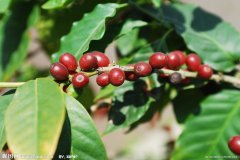
Coffee basic knowledge what conditions do you need to grow coffee?
Coffee is a perennial evergreen shrub or small tree of Rubiaceae. It is a horticultural perennial cash crop with the characteristics of fast growth, high yield, high value and wide market. Wild coffee trees can grow to a height of 5 to 10 meters, but coffee trees planted on the manor are often cut to a height of less than 2 meters in order to increase the amount of fruit and facilitate harvesting. The opposite leaves of coffee trees are long oval.
2015-06-21 Coffee basics common sense planting needs what conditions
How are coffee beans classified according to the proportion of sieve and defective beans?
The classification of defective beans according to the proportion of sieve and defective beans is an important factor to destroy the flavor of the final coffee. Therefore, defective beans should also be removed in the last step of raw bean processing. Therefore, according to the proportion of defective beans, supplemented by the size of the screen is also used as a way of classification. Due to the rise of boutique coffee, coffee producing countries pay more and more attention to the quality of coffee, and the control of defective beans is the most important way.
2016-05-16 Screen defect proportion grading coffee bean how classification screen
Coffee machine classification
Coffee is one of the most popular drinks in the world, which brings pleasure and excitement to people. With the reform and opening up of our country, the most popular Italian espresso, Cappuccino and Latte milk coffee in the world are also placed on the dining table of the Chinese people, and are loved by more and more people. Brewing a cup
2015-10-23 coffee machine introduction classification
The Historical Development of Coffee spread in the World
Origin: coffee was first discovered in the kaffa region of southern Ethiopia in the 6th century AD. There are many theories about the origin of coffee, but the more recognized is the story of Cuddy, the shepherd, who discovered coffee. Kadi, a shepherd in Kafa province in southern Ethiopia, one day when he was herding his sheep, he found that the normally meek sheep were suddenly abnormal.
2014-09-11 Coffee knowledge coffee world coffee communication coffee development history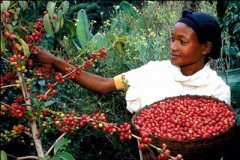
Ethiopia, the birthplace of African Africa coffee, is suitable for light roasted coffee beans.
Boutique coffee is fresh coffee. Whether it's food or drink, of course, the fresh the better, and so is boutique coffee. High-quality coffee should keep the coffee beans fresh before making, including the preservation of baked beans, and grind the coffee beans into powder before making, which is also to retain its original and best flavor. And the way of making hand-made coffee is such a way to make high-quality coffee.
2016-06-25 Africa coffee birthplace Ethiopia suitable light baked
Grading according to the proportion of sieve and defective beans
Grading defective beans according to the ratio of sieve and defective beans is an important factor in destroying the flavor of the final coffee. Therefore, defective beans should also be removed in the final step of green bean processing. Therefore, according to the proportion of defective beans, supplemented by screen size is also used as a classification method. Due to the rise of the fine coffee trend, coffee producing countries are paying more and more attention to the quality of coffee. Controlling defective beans is the most important way.
2016-05-10 sieve flaw proportion classification destruction finally
What conditions do you need to grow coffee trees?
Coffee is a perennial evergreen shrub or small tree of Rubiaceae. It is a horticultural perennial cash crop with the characteristics of fast growth, high yield, high value and wide market. Wild coffee trees can grow to a height of 5 to 10 meters, but coffee trees planted on the manor are often cut to a height of less than 2 meters in order to increase the amount of fruit and facilitate harvesting. The opposite leaves of coffee trees are long oval.
2015-11-02 Coffee planting needs what conditions
Coffee pull basic complete tutorial Coffee Coffee depth
Coffee latte-art is a change made on the original cappuccino or latte. As a matter of fact, there has never been a very clear literature on the origin of coffee flowers. We only know that in Europe and the United States, coffee flowers showed difficult professional skills during coffee performances, and such innovative skills, the difficult technology displayed, greatly shocked the coffee at that time.
2015-09-11 Coffee flower drawing basic complete tutorial depth
Coffee cup introduction: common coffee cup types and purchase common sense introduction
Coffee Cup Most people often cannot tell the difference between a coffee cup and a red tea cup correctly. Usually red tea cup in order to make the aroma of black tea can spread out, and convenient to appreciate the color of black tea, so the cup bottom is lighter, the cup mouth is wider, the light transmission is also higher, and the coffee cup is narrower, the material is thicker, and the light transmission is low. 1. Coffee cup type Coffee cup generally has pottery
2015-12-11 coffee cup introduction common use type buy common sense coffee
The Origin of Chinese Coffee Culture
According to historical records, coffee was first planted in Taiwan in 1884, which opened the prelude to the development of coffee in China. The earliest coffee cultivation in mainland China began in Yunnan, when a French missionary brought the first coffee seedlings to Binluchuan County in Yunnan Province at the beginning of the 20th century. For nearly a hundred years after that, coffee was only a star in the vast territory of China.
2016-05-03 China coffee culture coffee origin historical materials records 18
What are the three major coffee producing areas in the world? Arusha Coffee Estate
Mexican coffee production is concentrated in the southern part of Guatemala, and mountains run through it on both east and west sides, making its mountains inclined and ideal for coffee cultivation. Coffee cultivation is still common. From the highland, it is classified into Aldera, Prima, Labad and Barnlabad in order. Coffee bean size from medium to large grains are available, appearance, aroma
2016-06-14 world big three coffee region arusha estate
An introduction to the History and present situation of Mocha Coffee
(1) the origin of mocha coffee is in Yemen, and the origin of mocha coffee is very wide. These coffees have their own characteristics and certain differences in terms of quality and taste. However, because these coffees have been shipped and exported from the port of Mocha in Yemen to markets around the world, they are collectively called mocha coffee. The port of Mocha is located on the coast of the Red Sea north of the Mande Strait, overland distance from Aden
2016-06-05 Mocha coffee history origin current situation introduction
Basic knowledge of coffee what are the types of coffee trees?
Coffee is a perennial evergreen shrub or small tree of Rubiaceae. It is a horticultural perennial cash crop with the characteristics of fast growth, high yield, high value and wide market. Wild coffee trees can grow to a height of 5 to 10 meters, but coffee trees planted on the manor are often cut to a height of less than 2 meters in order to increase the amount of fruit and facilitate harvesting. The opposite leaves of coffee trees are long oval.
2016-05-18 Basic coffee knowledge class which
Unique Chinese Coffee style Chinese Coffee Culture
According to historical records, coffee was first planted in Taiwan in 1884, which opened the prelude to the development of coffee in China. The earliest coffee cultivation in mainland China began in Yunnan, when a French missionary brought the first coffee seedlings to Binchuan County in Yunnan Province at the beginning of the 20th century. In the following nearly a hundred years, coffee was only planted in the vast territory of China.
2015-06-17 Unique China coffee amorous feelings coffee culture Chinese coffee culture historical materials
High-quality coffee beans Nicaraguan coffee beans introduction to the treatment of coffee beans
Dry aromas are full of chocolate, with aromas of hazelnut and cocoa. The wet aroma also has the smell of chocolate, accompanied by the smell of orange peel. With the baking degree of city+, the bright lemon acid and long cocoa finish are wonderful. Dry aroma (1-5): 3.8 wet aroma (1-5): 3.8 acidity (brightness) (1-10): 8.9 taste (layered) (1
2016-07-11 Boutique coffee beans Nicaragua introduction treatment way method aroma rich
Roasting characteristics of Coffee around the World
Cities all over the world have their preference for frying and baking. In Tokyo, micro-deep medium baking is more popular, but slowly it also tends to deep baking. In the West, deep baking has been popular since ancient times. New York, as its name suggests, generally prefers urban baking, but because it is inhabited by different races, it sells coffee with different roasting levels.
2014-08-06 All over the world coffee roasting characteristics countries around the world cities have their good roast
Coffee tree planting conditions what conditions do coffee trees need to grow?
Coffee is a perennial evergreen shrub or small tree of Rubiaceae. It is a horticultural perennial cash crop with the characteristics of fast growth, high yield, high value and wide market. Wild coffee trees can grow to a height of 5 to 10 meters, but coffee trees planted on the manor are often cut to a height of less than 2 meters in order to increase the amount of fruit and facilitate harvesting. The opposite leaves of coffee trees are long oval.
2015-11-05 Coffee planting conditions needs what?
What are the three major coffee producing areas in the world? Arusha Coffee Manor.
Mexican coffee production is concentrated in the south near Guatemala, with mountains running through the east and west, making its mountains tilted, making it an ideal terrain for coffee cultivation. Coffee cultivation is still common. According to the order, the highland is classified into three kinds of high-yield coffee: Arudora, Prima, Rabad and Barnabad. Coffee beans range in size from medium to large, with appearance and fragrance.
2016-06-14 World Big three Coffee producing area Arusha Manor
What are the three major coffee producing areas in the world? Arusha Coffee Manor.
Mexican coffee production is concentrated in the south near Guatemala, with mountains running through the east and west, making its mountains tilted, making it an ideal terrain for coffee cultivation. Coffee cultivation is still common. According to the order, the highland is classified into three kinds of high-yield coffee: Arudora, Prima, Rabad and Barnabad. Coffee beans range in size from medium to large, with appearance and fragrance.
2016-06-14 World Big three Coffee producing area Arusha Manor
What are the three major coffee producing areas in the world? Arusha Coffee Manor.
Mexican coffee production is concentrated in the south near Guatemala, with mountains running through the east and west, making its mountains tilted, making it an ideal terrain for coffee cultivation. Coffee cultivation is still common. According to the order, the highland is classified into three kinds of high-yield coffee: Arudora, Prima, Rabad and Barnabad. Coffee beans range in size from medium to large, with appearance and fragrance.
2016-06-14 World Big three Coffee producing area Arusha Manor