“a trace” search results (2000)

Introduction to the main producing areas of coffee beans
Introduction to coffee beans Coffee the origin of this plant can be traced back to millions of years ago, and the time when it was really discovered can no longer be tested. According to legend, Coffee is a shepherd named Kaldi in the Ethiopian Highlands. When he discovered that his sheep had inadvertently eaten the fruit of a plant, he became very lively and energetic, and discovered coffee ever since. All historians seem to be
2016-06-05 Coffee beans main producing areas introduction coffee beans coffee plants origin but
Nestle Coffee Group Fine Coffee Brand Culture introduction to the History of Nestl é Group
The origin of the Nestle Group can be traced back to Switzerland in 1866. In 1867, Mr. Henry Nestle, a Swiss chemist, was the first to invent the world's first baby food, milk cereal. One day, a friend who was a doctor brought a baby born a month prematurely. He couldn't eat and was so weak that he was abandoned. Mr. Henry Nestle took in the child and fed him.
2016-01-08 Nestle Coffee Group boutique Brand Culture introduction History details Nestl é
Ninety plus is an internationally renowned coffee bean production and marketing company.
Ninety plus is an internationally renowned coffee bean production and marketing company and is known worldwide for providing rare and unique green coffee beans. Ninety plus was officially founded by Joseph Brodsky in 2007, and since then, we can see Ninety plus winning traces in coffee competitions large and small all over the world.
2016-05-05 Ninety plus internationally prestigious coffee beans production sales
What are the characteristics of mocha coffee? What are the characteristics of mocha coffee? What is a mocha? Mocha
Mocha coffee (CafeMocha) is one of the oldest coffee, its history can be traced back to the origin of coffee. Mocha gets its name from the famous port of Mocha. In the 15th century, the outward transportation industry of the whole coffee country in Central and East Africa was not prosperous. The Yemeni mocha was a major commercial port near the Red Sea at that time. At that time, as long as the coffee was concentrated in the port of Mocha and then exported to the African coffee, it was collectively called mocha coffee.
2016-03-15 Mocha coffee which characteristic what specialty mocha CafeMo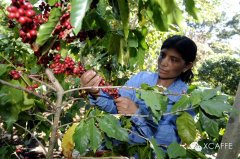
Colombia Santa Rita Coffee Green Bean Washing in Andes Microregion
The history of coffee cultivation in Colombia can be traced back to the Spanish colonial era in the 16th century. There are also many sayings about the history of coffee in Colombia: First, it is said to have been transmitted from the Caribbean island of Haiti via El Salvador in Central America. Second, coffee beans were first introduced into Colombia in 1808 by a priest from the French Antilles via Venezuela. one of
2016-06-20 Colombia Santa Rita Coffee Green Beans Andes Mountains Producing Area Washing Processing
Coffee filter paper brewing method
Follicular coffee can brew coffee with the same quality, especially to highlight the characteristics of individual coffee, so many coffee fans who love the taste of individual coffee beans still support the use of flushing to extract coffee. Nowadays, coffee shops in Taiwan with Japanese flavor are the most common to see traces of follicular coffee.
2014-05-14 Coffee knowledge coffee filter paper
The years when coffee culture cafes were banned
A cup of coffee has been drunk for 350 years-in the days when cafes were banned, modern people can drink coffee as they like, but coffee has had a rough ban in history. It is said that the world's first ban on cafes can be traced back to the holy place of Mecca in 1511. The rulers thought that the parties on the coffee shop table would threaten their authority and closed all the cafes in the city.
2014-11-04 Coffee culture cafes ban
Coffee knowledge introduces the distinction between raw beans, new beans and old beans
After dry and wet processing, coffee fruit becomes coffee raw bean (Raw bean/Green bean). The main components of raw beans are: carbohydrates, about 49%; moisture, about 12%; protein. About 11%; chlorogenic acid, about 7.6% alkaloids and trace elements, about 0.4%. According to the length of time, raw beans can be divided into: seasonal beans (Current Cro)
2014-12-30 Coffee knowledge introduction raw beans new beans old beans distinction coffee fruit pass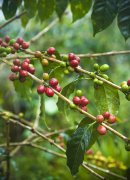
Colombian Santa Rita Coffee Manor Andes Micro-producing area American Coffee
The history of coffee cultivation in Colombia can be traced back to the Spanish colonial era in the 16th century, and there are many theories about the history of coffee in Colombia: one: it is said to come from the island of Haiti in the Caribbean and from El Salvador in Central America. Second: in 1808, a priest introduced coffee beans to Colombia for the first time from the French Antilles via Venezuela. One of them
2016-07-07 Columbia Santa Rita Coffee Manor Andes Mountains producing area American Flavor
Boutique coffee learns how to distinguish between new beans and old beans
The main components of raw beans are: carbohydrates, about 49%; moisture, about 12%; protein. About 11%; chlorogenic acid, about 7.6% alkaloids and trace elements, about 0.4%. According to the length of time, raw beans can be specifically divided into: seasonal beans (Current Crop), that is, fresh beans; new beans (New Crop), that is, raw beans of the first year; and old beans (Past Crop), that is,
2014-11-22 Coffee knowledge boutique coffee science new coffee beans old coffee beans
The introduction of the brand culture of white coffee in the old street is smooth, pure and fragrant.
The old street white coffee tastes smooth, pure and fragrant, not greasy, without a trace of bitterness, refreshing and comfortable. After drinking, the teeth and cheeks leave fragrance and make people have endless aftertaste. Ultra-low bitterness and acidity: White coffee is baked at low temperature without caramel, removing the bitter and sour taste produced by high-temperature carbon roasting, minimizing the bitterness and acidity of coffee, and retaining the natural flavor and rich flavor of the original coffee.
2016-01-04 Old street white coffee boutique brand culture introduction taste smooth pure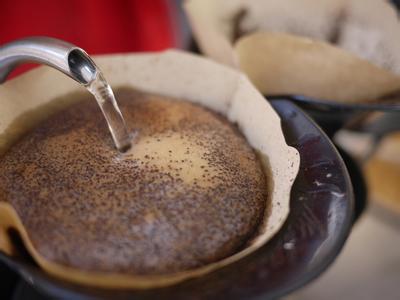
Can people with diabetes drink coffee and tea?
In the right amount of coffee, many people like the aroma of coffee, including many people with diabetes. It has been reported that drinking coffee can reduce the risk of developing type 2 diabetes, but some US researchers have pointed out that caffeine in coffee can increase blood sugar in diabetics, especially after meals. This may be related to the fact that after drinking coffee, it interferes with the delivery of glucose from the blood to the muscles.
2015-04-08 Glycosuria patients can you drink coffee tea coffee the right amount a lot of people fragrance love
Colonial Coffee Garden, a microcosm of cosmopolitanism
Modern people can drink coffee as much as they like, but there has been a rough ban on coffee in history. It is said that the world's first ban on cafes can be traced back to the holy place of Mecca in 1511. The rulers thought that the parties on the coffee shop table would threaten their authority and closed all the cafes in the city. As a result, the ban was repealed automatically because the Sultan fell in love with drinking coffee. At the beginning
2015-11-09 Colonization coffee garden world doctrine one microcosm modern people can do whatever they want.
Nestle Coffee Brand Culture the Development of Nestle Coffee Company
The origin of the Nestle Group can be traced back to Switzerland in 1866. In 1867, Mr. Henry Nestle, a Swiss chemist, was the first to invent the world's first baby food, milk cereal. One day, a friend who was a doctor brought a baby born a month prematurely. He couldn't eat and was so weak that he was abandoned. Mr. Henry Nestle took in the child and fed him.
2015-12-02 Nestl é Coffee Brand Culture Company Development course Group Origin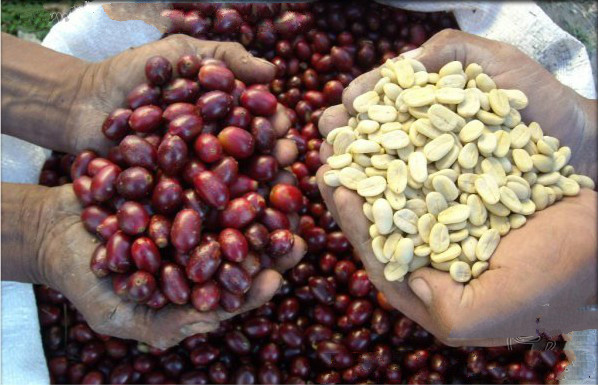
Ethiopia 90 + full upgrade Ethiopia NistuRuz Nisuluju / Rosemary Qingfu Water washing
Ninety plus is an internationally renowned coffee bean production and sales company, and is famous for providing rare and unique raw coffee beans. Joseph Brodsky officially founded Ninety plus in 2007, and since the next year, we can see traces of Ninety plus winning awards in large and small coffee competitions around the world. WBC World Coffee University in 2013.
2016-03-26 Ethiopia 90 percent Comprehensive upgrade Yiso Biya NistuRuz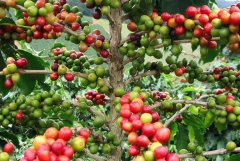
The history of coffee cultivation in Colombia is known as "green gold".
The history of coffee cultivation in Colombia can be traced back to the Spanish colonial era in the 16th century, and there are many theories about the history of coffee in Colombia: one: it is said to come from the island of Haiti in the Caribbean and from El Salvador in Central America. Second: in 1808, a priest introduced coffee beans to Colombia for the first time from the French Antilles via Venezuela. One of them
2016-05-06 Colombia coffee planting history known as green gold species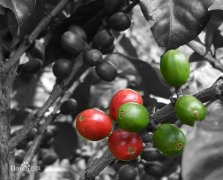
Micro-producing area of Santa Rita coffee in the Andes, Colombia
The history of coffee cultivation in Colombia can be traced back to the Spanish colonial era in the 16th century, and there are many theories about the history of coffee in Colombia: one: it is said to come from the island of Haiti in the Caribbean and from El Salvador in Central America. Second: in 1808, a priest introduced coffee beans to Colombia for the first time from the French Antilles via Venezuela. One of them
2016-05-23 Colombia Santa Rita Coffee Andes Mountains producing areas planting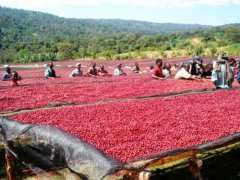
Introduction to Columbia Coffee producing area-- Santa Rita Coffee Manor Colombian Fine Coffee producing area
Colombia Santa Rita Special Reserve country: Colombia: Antioquia altitude: 1600-2100 m treatment: washed varieties: Kaduai, Kaddura Manor: Santa Rita Flavor: sucrose, clean, medium alcohol thick Colombian coffee growing history can be traced back to the Spanish colonial era in the 16th century, coffee in Columbia
2016-03-30 Colombia Coffee producing area introduction Santa Rita Manor boutique Origin Col
Fine Coffee Learn Coffee Green beans are classified into different types according to time
Coffee fruits are processed by wet and dry methods to become coffee beans (Raw beans/Green beans). The main components of raw beans are: carbohydrates, about 49%, moisture, about 12% and protein. About 11%; chlorogenic acid, about 7.6% Alkaloids and trace elements, about 0.4%. According to the length of time, raw beans can be specifically divided into: Current Cro
2014-12-28 boutique coffee green beans time classification different kind fruit passing
Basic knowledge of coffee who is not suitable to drink coffee?
Coffee is one of the three biggest drinks in the world. Raw coffee contains nutrients such as sugar, protein and fat, and contains a small amount of trace elements and caffeine. Some people rely on high concentrations of coffee to stimulate the brain for a long time, which is not necessarily good. According to the study, after drinking high concentration of coffee, the adrenal gland accumulates in the body, resulting in a faster heartbeat, a significant increase in blood pressure, and
2015-06-26 Coffee basics common sense which is not suitable