“Yesso” search results (51)
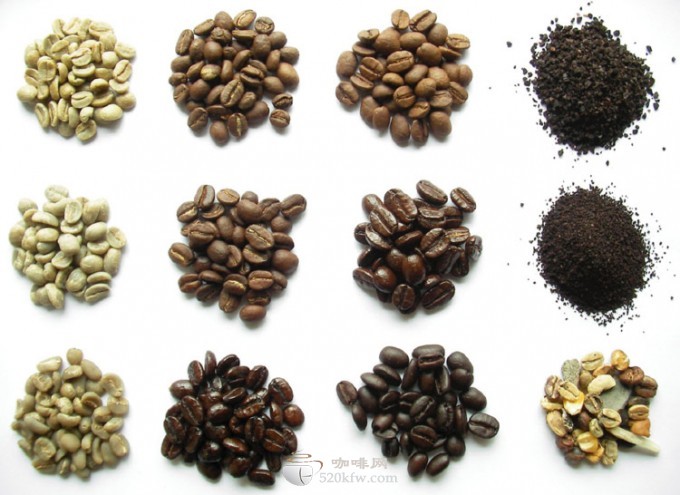
Kochel, an African boutique manor, is located in Ethiopia, Ethiopia and washed with water.
Cochel is located in a small producing area 25 kilometers southeast of Yegashafi, Ethiopia. It is a rich area for coffee production. It is also one of the three famous and micro-producing areas of Yegashafi. It has about 100,000 local residents, and coffee beans are the main source of income. The processing and processing equipment in this area is very advanced. CoffeeReview, a well-known coffee evaluation website, gave Kocher a high rating of 94 points for washed beans.
2016-04-05 Africa boutique manor Cochi located in Yesso Biya Yega Sheffield Ethiopia
Introduction to Sidamo Coffee beans in Ethiopia-Ethiopia
Sidamo grows in the southernmost Ethiopian plateau between 4600 and 7200 feet above sea level (Sidamo province). It is a famous boutique coffee area in southern Ethiopia, bordering Kenya, southeast of Gemma, just south of the capital, usually sweet and loved by most people. its annual output is about 225000 bags / 60kg, with a smaller bean body than Longberry, with gray in the green, in Sidamo.
2016-04-30 Dharma Coffee beans Ethiopia Coffee introduction long South Yesso
How to choose coffee beans with high cost performance? 90 + comprehensive upgrade Ethiopia rosemary Qingfu water wash
With the deepening of people's contact with coffee, ordinary taste can no longer meet people's needs. As a result, more and more coffee lovers will buy their own beans and go home from the beginning of grinding, blending their favorite coffee flavor step by step. The size of coffee beans
2016-04-19 How to choose cost-effective high coffee beans 90 cents comprehensive upgrade Yesso
Ethiopian Sidamo Lion King Coffee introduces Ethiopian coffee producing area Ethiopian coffee
Ethiopia is the country where coffee was first discovered. Today, there is still a lot of wild coffee for farmers to harvest in the primeval forest. Ethiopia is a country with poverty, drought and civil war, but it is still the most important coffee producer in terms of coffee quality and output, and it is also the best and top coffee producer in the past year or two. Ethiopian coffee can be divided into two treatments. Water washing
2016-03-30 Ethiopia Dharma Lion King Coffee introduction Yesso Pia producing area Yeso
Ethiopian Yega Chevy Fine Coffee
The coffee-producing region of Ethiopia is divided into east and west parts by the East African Rift Valley, with lakes, volcanoes, lowlands, plateaus and woodlands interlaced, each evolving. Ethiopia has the most diverse coffee ecosystem in the world (forest coffee, semi-forest coffee, pastoral coffee and plantation coffee), which also preserves its rich Arabica genes. The eastern half is mostly plateaus, coffee beans.
2016-05-25 Yesso Biya Yega Chevy boutique coffee Ethiopia producing areas
Introduction to the characteristics of Flavor description and Grinding degree of Yisopiajajara Coffee in Kenya
Kenyan coffee is mostly grown at 15002100 meters above sea level and is harvested twice a year. To ensure that only ripe berries are picked, people must tour the forest about seven times. Kenyan coffee is grown by small farmers. After they harvest the coffee, they first send the fresh coffee beans to the cooperative cleaning station, where the washed and dried coffee is covered with parchment beans.
2016-10-24 Kenya Yesso Pia Hara Coffee Flavor description Grinding characteristics varieties
Introduction to Ethiopia in the original coffee producing area of Kenya in the central mountain area of Nyeri
Kenya is bordered to the north by Ethiopia, the origin of Arabica coffee trees, but it was not until the beginning of the 20th century that coffee cultivation began. In the 19th century, missionaries introduced Arabica trees from Yemen, but did not plant them in large quantities until 1893. Brazil's ancient bourbon coffee seeds were introduced to cultivate coffee on a large scale. In other words, the current Kenyan coffee is of Brazilian origin.
2016-06-24 Nyeri Central Dashan region Kenya Coffee producing area introduction Yesso
Kenya Coffee region Manor Nyeri Central Dashan SASINI Manor in Ethiopia Berman
It entered Kenya in the 19th century, when Ethiopian coffee drinks were imported into Kenya through southern Yemen. But it was not until the early 20th century that the bourbon was introduced by the St. Austen Mission (St.AustinMission). Kenyan coffee is mostly grown at an altitude of 1500m, 2100m, and is harvested twice a year. To ensure that only ripe berries are picked, people must be in the forest
2016-06-24 Kenya Coffee producing area Manor Nyeri Central Mountain region Yesso
Ethiopian Sidamo Lion King Rikuo style Shakiso
In the past, the Ethiopian sun exposure method used to spread wild coffee fruits directly on the mud ground for exposure. This method has two disadvantages: 1. After picking beans without special screening and treatment, uneven appearance and maturity are mixed together, the process is relatively rough, so the quality of coffee beans is unstable and prone to defective beans. two。 Coffee farmers usually live directly.
2016-10-17 Yesso Biya Dharma Lion King Rizzo Flavor Shaquiso in the past Esseobi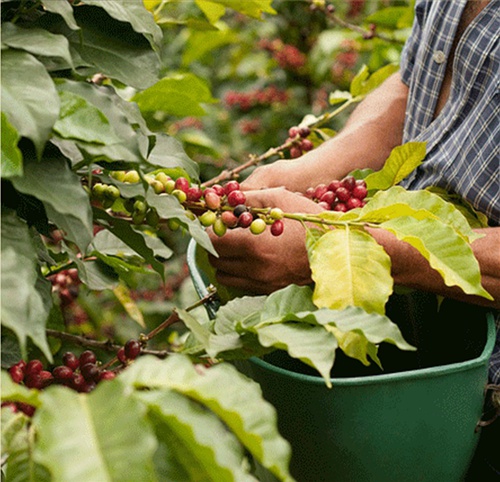
Where can I buy coffee beans online? Where can I buy coffee beans? Ethiopian Sidama sun treatment of lions
1. When buying beans online, you should pay attention to the production date, shelf life, packaging and sealing, the roasting degree of coffee beans, the types of coffee beans, and your utensils to determine what kind of beans you want. If you use blue mountain beans to make ESP, it is indeed a maverick way, but it is also too unprofessional and expensive, and the taste is not very good. The production date must be at least
2016-04-23 Online how can I buy coffee beans where to go buy good Yesso Biya Xida the sun
Flavor and taste of coffee manor in Kenya Berman Manor Ethiopia
Kenya is bordered to the north by Ethiopia, the origin of Arabica coffee trees, but it was not until the beginning of the 20th century that coffee cultivation began. In the 19th century, missionaries introduced Arabica trees from the leaves, but did not plant them in large quantities. It was not until 1893 that coffee was cultivated on a large scale because of the introduction of Brazil's ancient bourbon seeds. That is to say, Kenyan coffee is of Brazilian origin, because of water.
2016-07-15 Kenya Coffee Manor producing area Flavor palate introduction Berman Yesso Pia