“Year History” search results (2000)

Kenyan Coffee Development History of Kenyan Coffee
Ethiopia, the origin of Arabica coffee trees in the north of Kenya, is aromatic, rich and fruity, with a rich and perfect taste. Kenyan coffee has a wonderful fruit flavor, tastes like BlackBerry and grapefruit, and is a favorite of many coffee gluttons. This coffee has an excellent medium purity, crisp and refreshing taste. The flavor is fresh and most suitable for summer.
2016-05-29 Kenya coffee flavor development history north neighbor rabbi origin
Where did Brazilian coffee come from? introduction to the history and culture of development.
In 1657, an English newspaper reported that coffee has many effects on gastric ulcers, can strengthen the heart, promote digestion, lift spirits, relax the mood, treat eye diseases, colds, coughs, lung diseases, headaches, edema, gout, scurvy, adenosis, and other diseases. Coffee is sometimes described as an elixir of immortality, and sometimes it is regarded as poison, because some people suffer from coffee discomfort, such as insomnia and anger
2016-10-17 Brazil coffee originally from where development history and culture introduction 165
History of Colombia Coffee
The history of coffee cultivation in Colombia can be traced back to the Spanish colonial era in the 16th century. There are also many sayings about the history of coffee in Colombia: First, it is said to have been transmitted from the Caribbean island of Haiti via El Salvador in Central America. Second, coffee beans were first introduced into Colombia in 1808 by a priest from the French Antilles via Venezuela. one of
2016-06-01 Colombia Coffee History Origin Cultivation May
The basic knowledge of the most expensive Coffee introduction and Development History of Blue Mountain Coffee
Introduction to BlueMountainCoffee Coffee Blue Mountain Coffee (Blue Mountain Coffee), which comes from Jamaica, is famous all over the world and is the most superior coffee in the world. Blue Mountain Coffee has a mellow taste, moderate acidity, sweetness and bitterness, and exudes an attractive elegance. The area of the Lanshan island of Jamaica is small, and the Blue Mountains are located northeast of the capital Kingston because it is surrounded by the Caribbean Sea.
2015-10-26 The most expensive coffee basic knowledge Blue Mountain introduction development history
Chinese Coffee Culture Coffee Legend of Zhukula Village, Dali, Yunnan Province
When it comes to the history of Chinese coffee, we have to mention Yunnan Dali Zhukula Coffee, which plays a vital role in the history of Chinese coffee. The ancient coffee forest in Zhukula Village is a unique variety of small-grain coffee in Yunnan. It is very rare and of excellent quality. It can be called a living fossil of Chinese coffee. In today's program, we will explore the century-old coffee legend of Zhukula Village. Zhu
2014-11-19 Coffee culture Chinese coffee culture Yunnan coffee coffee legend
Coffee Culture the Biography of Coffee in Zhukula Village of Yunnan Province
When it comes to the history of Chinese coffee, we have to mention Yunnan Dali Zhukula Coffee, which plays a vital role in the history of Chinese coffee. The ancient coffee forest in Zhukula Village is a unique variety of small-grain coffee in Yunnan. It is very rare and of excellent quality. It can be called a living fossil of Chinese coffee. We went to explore the century-old coffee legend of Zhukula village. Zhu Kula, located in Yunnan Province
2014-10-14 Coffee culture Yunnan coffee culture
The Development History of Coffee in the World Coffee spread History
1. Coffee was introduced into Europe in the 16th century, and coffee attracted the attention of European countries in the name of Arabic wine. In the middle of the 17th century, coffee became popular in Europe. 2. When coffee was introduced into Asia in 1600, Baba Budan, a Muslim, successfully smuggled seven seeds on his belly and planted them for trial in the mountains of Mysore in southern India without large-scale cultivation. sixteen
2015-01-17 Coffee World Development History Communication History introduction Europe 16th Century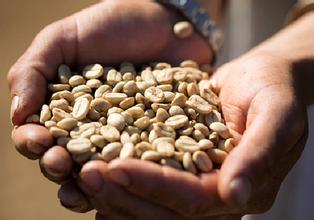
Boutique Coffee Raw beans the latest Coffee Bean introduction Coffee Raw Bean History details
Raw coffee beans are the seeds of coffee trees. It is the wealth hidden in coffee cherries (coffee berries) that people usually call coffee cherries. They are mistakenly called beans because they are similar to the beans we usually see, but they are actually the seeds of coffee. Usually there are two flat oval coffee beans in the coffee berries, and there is only one in a few coffee berries.
2016-01-04 Boutique coffee raw beans latest coffee beans introduction history dissemination details
The basic knowledge of Coffee Culture the History of Coffee in China
According to historical records, coffee trees were first planted in Taiwan in 1884, and coffee cultivation in mainland China began in Yunnan. In 1902, a French missionary named Tian introduced seeds from Yinggong County in Binchuan County, Yunnan Province. it was successfully planted in a place called Zhu Kula, which is located on the bank of the Yushan River, a tributary of the Jinsha River. The commercial cultivation of coffee in Yunnan began in 1985, but its development is slow.
2015-03-09 Coffee Culture Foundation Common sense Coffee China Legend Historical data Records 1884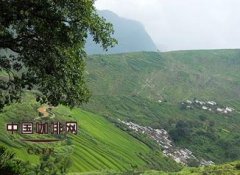
Chinese Coffee Culture the Legend of Coffee in Zhukula Village, Yunnan Province
When it comes to the history of Chinese coffee, we have to mention Yunnan Dali Zhukula Coffee, which plays a vital role in the history of Chinese coffee. The ancient coffee forest in Zhukula Village is a unique variety of small-grain coffee in Yunnan. It is very rare and of excellent quality. It can be called a living fossil of Chinese coffee. We went to explore the century-old coffee legend of Zhukula village. Zhu Kula, located in Yunnan Province
2015-02-09 China coffee culture Yunnan Zhu Kula coffee Zhuan speaking of
Coffee Culture History Coffee Culture in Japan
Coffee was first introduced to Japan by Dutch missionaries and traders around 1630, when the Dutch were trying desperately to spread coffee to their Asian colonies of Sri Lanka and Java. But the Japanese do not accept this strange drink. It wasn't until the Meiji Restoration that Japanese society began to learn from the West that people gradually accepted the advanced West.
2015-04-07 Fine Coffee Cultural History Japan Coffee Culture Earliest Enter
A Survey of Chinese Coffee Culture on the introduction of Coffee in Hainan Island in 1898
1.1 the age of the early introduction of coffee in Hainan Island is indisputably expressed as 1908 in many local records, agricultural history, agricultural history and various books and periodicals in China. However, the remains of the century-old coffee trees in Hainan Island are still there, and the descendants of the ancient trees are still there. Therefore, the actual existence of the century-old coffee trees unequivocally rewrote that the earliest introduction of coffee in Hainan Island should be in 1898. 1.2
2015-02-07 China coffee culture about 1898 Hainan Island introduction coffee age
History of coffee in Rwanda
In 1999, 220 coffee growers formed guilds in the Malaba area (formerly part of Butare province) to address the disease. Among the guild members, many farmers were separated from their loved ones by the 1994 mass massacre, while some husbands were jailed or were taken to the traditional Gacaca Court (gacaca) to face trial on charges of participating in the massacre. They named the guild Abauza.
2016-06-01 Rwanda Coffee History 1999 220 households growers Solutions
Coffee History Coffee Culture Story
Year event 1000 there was a doctor in Bukhara, and the philosopher was the first to record the therapeutic effects of coffee. The application of 1470-1500 coffee spread to Mecca and Masterna. 1517 brought coffee to Constantinople after conquering Egypt. The first coffee shop in Costantinople opened in 1554. 1570-80 in Costantinople
2015-06-17 Coffee history events coffee culture stories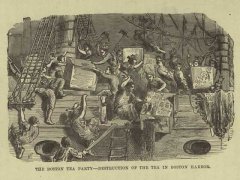
In the history of American coffee
People in Indian costumes (people dressed as Native Americans) throw boxes of tea overboard in the moonlit port of Boston, a famous event that led to the outbreak of the American War of Independence (Revolutionary War). 1652-the first coffee shop opened in England, when a cup of coffee cost a penny; now a cup costs Espresso
2014-09-27 American coffee culture
Common sense of Coffee Culture Coffee Legend of Zhukula Village in Yunnan Province
When it comes to the history of Chinese coffee, we have to mention Yunnan Dali Zhukula Coffee, which plays a vital role in the history of Chinese coffee. The ancient coffee forest in Zhukula Village is a unique variety of small-grain coffee in Yunnan. It is very rare and of excellent quality. It can be called a living fossil of Chinese coffee. We went to explore the century-old coffee legend of Zhukula village. Zhu Kula, located in Yunnan Province
2015-03-09 Coffee culture common sense Yunnan Zhu Kula coffee legends speaking of China
General knowledge of Fine Coffee Culture on the History of Coffee in China
According to historical records, coffee trees were first planted in Taiwan in 1884, and coffee cultivation in mainland China began in Yunnan. In 1902, a French missionary named Tian introduced seeds from Yinggong County in Binchuan County, Yunnan Province. it was successfully planted in a place called Zhu Kula, which is located on the bank of the Yushan River, a tributary of the Jinsha River. The commercial cultivation of coffee in Yunnan began in 1985, but its development is slow.
2014-12-12 Boutique coffee culture common sense talk about China coffee historical materials records 1884
Main Edible efficacy of Colombian Coffee
The history of coffee cultivation in Colombia can be traced back to the Spanish colonial era in the 16th century, and there are many theories about the history of coffee in Colombia: one: it is said to come from the island of Haiti in the Caribbean and from El Salvador in Central America. Second: in 1808, a priest introduced coffee beans to Colombia for the first time from the French Antilles via Venezuela. One of them
2016-05-24 Colombia coffee main edible efficacy cultivation history
The origin and history of coffee
Raj, an Arab doctor in the tenth century, wrote the earliest written records about coffee, but the cultivation of coffee dates back to 575 AD. Arabica, the best variety of coffee, came from Ethiopia. In the fifteenth century, southern Arabs in Yemen began to plant saplings from Ethiopia.
2014-06-16 Coffee culture coffee history coffee origin
French Coffee History Fine Coffee Culture Basic Common Sense
When it comes to Bordeaux in France, people may think more of the world-famous Bordeaux wine. But in fact, coffee, a commodity in world trade, has been closely linked to Bordeaux for many years. The first coffee houses in Europe appeared in the mid-17th century. With the development of coffee trade, France's two ports Le Havre and Bordeaux gradually became the import of coffee beans.
2015-06-19 French Coffee History Boutique Coffee Culture Basics Common Sense Filed Wave