“Tropical” search results (6065)

Fine coffee what's the difference between cocoa and coffee?
Cocoa: cacao (also known as cocoa.) One of the three largest beverage plants in the world, native to tropical America, can be used as beverages and chocolates, nutritious, mellow and fragrant. Cocoa beans are the fruit of cocoa trees. long before Columbus arrived in the United States, tropical Central American residents, especially the Mayans and Aztecs, known the use of cocoa beans, not only to make cocoa beans into beverages, but also for intercourse.
2015-03-19 Boutique coffee can and what the difference cocoa cacao also made coc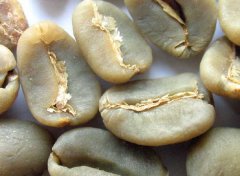
4C Association Coffee Certification Coffee Bean Certification quality Coffee
About the translator: Mo Lizhen (1966 ~), female, bachelor degree in agriculture, has been engaged in scientific research, production techniques, training and cup products of small seed coffee in Pu'er since 1988. He has published many papers in Tropical crop Research, Yunnan Hot farming Science and Technology and Tropical Agricultural Science, and published a monograph on High yield and quality cultivation techniques of small seed Coffee. 4C certification
2016-07-11 Association coffee certification coffee beans quality boutique translator
Italian Coffee what's the difference between cocoa and coffee
Cocoa: cacao (also known as cocoa.) One of the three largest beverage plants in the world, native to tropical America, can be used as beverages and chocolates, nutritious, mellow and fragrant. Cocoa beans are the fruit of cocoa trees. long before Columbus arrived in the United States, tropical Central American residents, especially the Mayans and Aztecs, known the use of cocoa beans, not only to make cocoa beans into beverages, but also for intercourse.
2015-05-08 Italian style coffee common sense can and what difference cocoa cacao also known as
Coffee trees grow around the equator.
Coffee trees grow in tropical or subtropical agricultural gardens centered around the equator and called coffee belts. Most of the coffee production is between the Tropic of Cancer, 25 degrees north of the tropical or subtropical equator and 30 degrees south of the equator. An area with an annual average temperature of 16-25 degrees Celsius, no Frosts Descent and rainfall of 1600-2000 mm. At present, coffee is mainly produced by seven countries.
2015-05-29 Coffee tree grow equator center coffee for the middle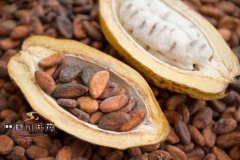
Tell me the difference between cocoa and coffee
Many friends think that cacao and coffee are the same plant, but they are not. Cocoa is very different from coffee: cocoa (cocoa, also known as cocoa). One of the three largest beverage plants in the world, native to tropical America, can be used as beverages and chocolates, nutritious, mellow and fragrant. Cacao beans are the fruit of the cacao tree. Long before Columbus arrived in the United States, the people of tropical Central America, especially horses,
2014-08-11 Speaking of can be different from coffee a lot of friends think can be with coffee a kind of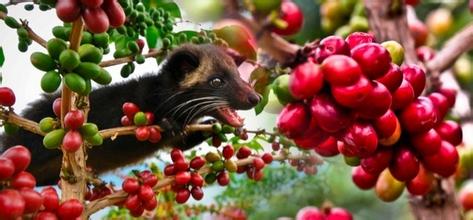
What is the growing environment of coffee beans? What conditions must be met to grow coffee beans?
Coffee is native to tropical Africa. The origin of the small seed species is the tropical plateau of Ethiopia. It is between 900 and 1800 meters above sea level with an average annual temperature of 19. C; the mid-grain species is native to the tropical rain forest of the Congo, with an average annual temperature of 2126 at an altitude of less than 900 meters. C . Their origins are shaded or semi-shaded forests and river valleys, so the formation of coffee requires calm wind, cool and wet.
2015-11-24 Coffee beans growth environment how reach conditions talent planting coffee origin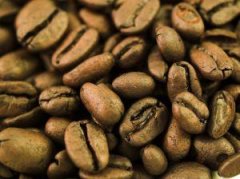
Where is the basic knowledge of boutique coffee?
Coffee trees grow in tropical or subtropical agricultural gardens centered around the equator and called coffee belts. Most of the coffee production is between the Tropic of Cancer, 25 degrees north of the tropical or subtropical equator and 30 degrees south of the equator. An area with an annual average temperature of 16-25 degrees Celsius, no Frosts Descent and rainfall of 1600-2000 mm. At present, coffee is mainly produced by seven countries.
2015-03-04 Boutique coffee basic knowledge where tree grow equator center
The taste of Peruvian coffee is smooth and smooth. Introduction to the characteristics of fine coffee beans in the manor area.
The Andes runs from north to south, and the mountains account for 1% of the total area of the country. The whole territory is divided into three regions from west to east: the western coastal area is a long and narrow arid zone, a tropical desert, the climate is dry and mild, there are intermittent plains, irrigated agriculture is developed, and the urban population is concentrated; the central mountain plateau is mainly the middle part of the Andes, with an average elevation of about 4300 meters, the birthplace of the Amazon River in the east.
2016-08-12 Taste smooth Peru coffee flavor manor producing area characteristics boutique coffee beans
Coffee common sense what is a coffee belt (COFFEE WORLD MAP)
Coffee trees grow in tropical or subtropical agricultural gardens centered around the equator and called coffee belts. Most of the coffee production is between the Tropic of Cancer, 25 degrees north of the tropical or subtropical equator and 30 degrees south of the equator. An area with an annual average temperature of 16-25 degrees Celsius, no Frosts Descent and rainfall of 1600-2000 mm. At present, coffee is mainly produced by seven countries.
2014-11-11 Coffee knowledge coffee common sense coffee belt
Santo Domingo Coffee in Dominica Coffee region with savanna climate
The earliest coffee in Dominica was introduced from Martinique (the overseas province of France), dating back to the early 18th century. Dominica is an island country with a tropical climate. The temperature changes little throughout the year. Except for the lower temperature in the Central Cordillera Mountains, which can reach less than 0 ℃ in winter, the annual average temperature in other areas is between 25 and 30 ℃, which is affected by the mountain topography.
2016-06-30 Tropical prairie climate Dominica coffee producing areas Santo Mingo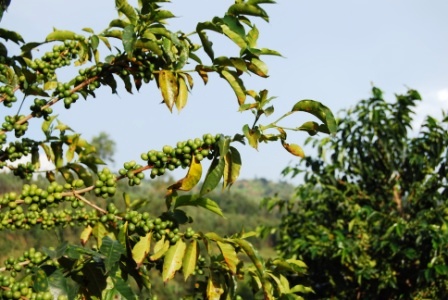
Rainforest certified coffee "frog beans" to maintain ecological balance organic coffee
Rainforest Alliance RA (Rainforest Alliance) certification refers to a farm that meets the standards set by the Rainforest Alliance, which protects the farm and its surrounding ecosystem, imposes some restrictions on the use of pesticides, and evaluates benchmarks such as waste management. Only coffee that has been evaluated and certified can be called Rainforest Alliance certified coffee. Among them, the recognition of coffee
2016-07-26 Rainforest certification coffee frog beans maintenance ecological balance organic forest alliance alliance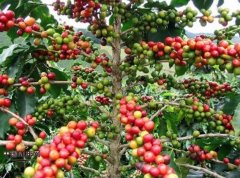
The basic knowledge of coffee what's the difference between cocoa and coffee?
Cocoa: cacao (also known as cocoa.) One of the three largest beverage plants in the world, native to tropical America, can be used as beverages and chocolates, nutritious, mellow and fragrant. Cocoa beans are the fruit of cocoa trees. long before Columbus arrived in the United States, tropical Central American residents, especially the Mayans and Aztecs, known the use of cocoa beans, not only to make cocoa beans into beverages, but also for intercourse.
2015-02-02 Coffee basics common sense can and what the difference cocoa cacao also known as
The difference between cocoa and coffee fancy coffee basic knowledge
Many friends think that cacao and coffee are the same plant, but they are not. Cocoa is very different from coffee: cocoa (cocoa, also known as cocoa). One of the three largest beverage plants in the world, native to tropical America, can be used as beverages and chocolates, nutritious, mellow and fragrant. Cacao beans are the fruit of the cacao tree. Long before Columbus arrived in the United States, the people of tropical Central America, especially horses,
2015-05-19 Can be different from coffee fancy style basics common sense a lot of friends think can be with
Hawaiian Kona / Kona Coffee (Hawaii Kona) Coffee American Coffee
[guide] Hawaii, a beautiful tropical Pacific island, not only produces beautiful scenery, but also produces the famous Kona coffee. Kona is also named after origin, only on the southwest coast of Hawaii, 20 miles long, 2 miles wide, 150m ~ 750m above sea level, covering Hualalai Hawaii, a beautiful tropical island in the Pacific Ocean. In addition to the bright wind, it also grows.
2016-04-22 Hawaii Kona Coffee Flavor USA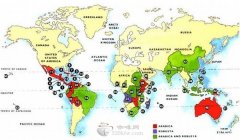
Coffee belt coffee trees grow at the center of the equator
Coffee trees grow in tropical or subtropical agricultural gardens centered around the equator and called coffee belts. Most of the coffee production is between the Tropic of Cancer, 25 degrees north of the tropical or subtropical equator and 30 degrees south of the equator. An area with an annual average temperature of 16-25 degrees Celsius, no Frosts Descent and rainfall of 1600-2000 mm. At present, coffee is mainly produced by seven countries.
2014-09-13 Coffee knowledge coffee belt coffee tree growth
Guatemalan coffee with delicious taste and balanced acidity features fine coffee in manor area.
Guatemala is located in the tropics, the northern and eastern coastal plains have a tropical rain forest climate, the southern mountains have a subtropical climate, the year is divided into two dry and wet seasons, with the wet season from May to October and the dry season from November to April of the following year. The narrow and fertile flatlands on the Pacific side of Guatemala have a tropical climate. The central plateau is also the cultural center of Guatemala, where the year-round temperature ranges from 1300 to 1800 meters.
2016-09-01 Delicious delicious acidity balance Guatemala coffee flavor taste manor production
Boutique Coffee Science detailed explanation of Coffee Belt (COFFEE WORLD MAP)
Coffee trees grow in tropical or subtropical agricultural gardens centered around the equator and called coffee belts. Most of the coffee production is between the Tropic of Cancer, 25 degrees north of the tropical or subtropical equator and 30 degrees south of the equator. An area with an annual average temperature of 16-25 degrees Celsius, no Frosts Descent and rainfall of 1600-2000 mm. At present, coffee is mainly produced by seven countries.
2014-10-18 Coffee knowledge boutique coffee science coffee belt
Rich and mellow taste the coffee flavor of Santa Barara Manor in Honduras the characteristics of the manor producing area
Honduras has a tropical climate and the coastal plains have a tropical rain forest climate. The annual average temperature is 23 ℃; the rainfall is abundant, and the annual precipitation in the northern coastal zone and mountain windward slope is as high as 3000 mm. There will be fish rain in some areas between May and July, because tornadoes form on part of the sea surface of Honduras between May and July. Tornadoes roll the fish in the sea to the sky and partly to the ground.
2016-08-11 Rich thick taste Honduras Santa ba Lara manor coffee flavor production
The difference between cocoa and coffee basic knowledge of fine coffee
Many friends think that cacao and coffee are the same plant, but they are not. Cocoa is very different from coffee: cocoa (cocoa, also known as cocoa). One of the three largest beverage plants in the world, native to tropical America, can be used as beverages and chocolates, nutritious, mellow and fragrant. Cacao beans are the fruit of the cacao tree. Long before Columbus arrived in the United States, the people of tropical Central America, especially horses,
2015-03-30 Can be with coffee difference boutique foundation common sense a lot of friends think can be with
Guatemala Antigua Coffee Flavor description introduction to the treatment of varieties in producing areas
Guatemala is located in the tropics, the northern and eastern coastal plains have a tropical rain forest climate, the southern mountains have a subtropical climate, the year is divided into two dry and wet seasons, with the wet season from May to October and the dry season from November to April of the following year. The narrow and fertile flatlands on the Pacific side of Guatemala have a tropical climate. The central plateau is also the cultural center of Guatemala, where the year-round temperature ranges from 1300 to 1800 meters.
2016-09-28 Guatemala Antioch Coffee Flavor description Variety producing area treatment method introduction