“Somalia” search results (193)

Introduction to the flavor and taste characteristics of Ethiopian coffee manor with rich alcohol thickness
The highest grades of Ethiopian washed coffee Yega Chuefei G1 G2 Sidamo (Yirgacheffe, Sidamo) are Grade 2 and Grade 3 (G2, G3), while most of the sun-processed coffee in eastern Ethiopia are Grade 4 or Grade 5 (G4, G5). In many cases, level 4 coffee is marked as level 5 in order to reduce taxes. At present, the grading is not uniform and messy, because there is also sun processing.
2016-09-08 Thickness richness Ethiopia coffee manor producing area flavor taste characteristics
Characteristics of grinding degree of Ethiopian coffee with soft acidity introduction to flavor description of varieties
Grade of Ethiopian coffee: Ethiopian washed coffee Yega Chuefei G1 G2 Sidamo (Yirgacheffe, Sidamo) has the highest grades 2 and 3 (G2, G3), while sun-processed coffee in eastern Ethiopia is mostly grade 4 or 5 (G4, G5). In many cases, level 4 coffee is marked as level 5 in order to reduce taxes. At present, the classification is not uniform and there are
2016-10-11 Acidity softness Ethiopia coffee grinding characteristics taste variety producing area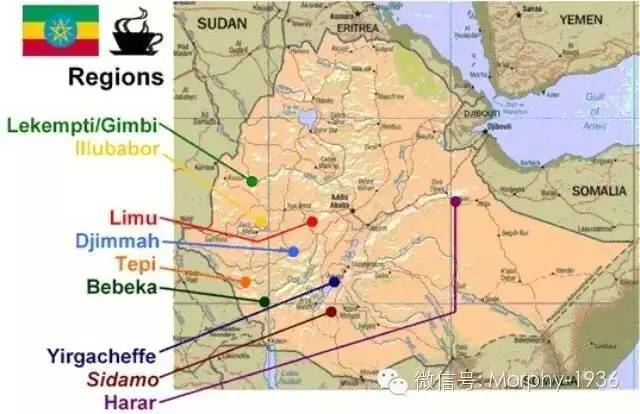
Introduction of boutique coffee beans Ethiopian coffee
Ethiopia is the hometown of Arabica coffee, and it is in the forests of Kaffa that you can see wild Arabica coffee. In Ethiopian, coffee is called Bun or Buna, and coffee beans (coffeebean) may be translated from Kaffa Bun. Arabica coffee was discovered early in the Harald area, probably from Kafa.
2015-07-09 Boutique coffee beans Ethiopia coffee introduction
How to distinguish the grade of raw coffee beans? why do raw beans also have grades?
The name of the raw bean processing plant. For example, the long list of names of Guatemala Antigua SHB- Finca Los Volcanes-Antigua-Los Crop tells us the following information: producing country: Guatemala (Guatemala)-Guatemala is a famous coffee producer in Central America. Producing area: Antigua (Antigua volcano)-- this is the famous volcano coffee in the country.
2016-10-17 Coffee raw beans grades how distinguish why also have grading
Flavor characteristics of Ethiopian Fine Coffee Ethiopian Coffee
Ethiopia is the hometown of Arabica coffee, and it is in the forests of Kaffa that you can see wild Arabica coffee. In Ethiopian, coffee is called Bun or Buna, and coffee beans (coffeebean) may be translated from Kaffa Bun. Arabica coffee was discovered early in the Harald area, probably from Kafa.
2016-03-18 Ethiopia boutique coffee flavor characteristics
Ethiopian Arabica coffee with rich body Original growing environment Fine coffee
The highest grades of washed Ethiopian coffee Yirgacheffe G1 G2 Sidamo are Grade 2 and Grade 3 (G2, G3), and the coffee processed in the sun in eastern Ethiopia is mostly Grade 4 or Grade 5 (G4, G5). In many cases, fourth-grade coffee is labeled as five-grade in order to reduce taxes. Now the classification is not very uniform, some chaos, because there are sun processing
2016-08-19 thickness richness ethiopia rabbi coffee origin flavor cultivation environment
Flavor description of Ethiopian Coffee Manor introduction of High-quality Coffee beans in producing areas
In February 1977, Lieutenant Colonel Mengistu Haier Maryam (MENGISTU HAILE MARIAM) launched a military coup and served as Chairman of the interim military Administrative Council and head of State. In 1979, the Ethiopian Labor people's Party Organization Committee, dominated by soldiers, was established to implement an one-party system. In 1984, the Ethiopian Workers' Party was formed according to the Soviet Communist Party model. Mengistu, September 1987
2016-10-06 Ethiopia Coffee Manor Flavor description Variety producing area characteristics Fine goods
Introduction to Ethiopian Coffee, the hometown of Arabica Coffee
Ethiopia is the hometown of Arabica coffee, and it is in the forests of Kaffa that you can see wild Arabica coffee. In Ethiopian, coffee is called Bun or Buna, and coffee beans (coffeebean) may be translated from Kaffa Bun. Arabica coffee was discovered early in the Harald area, probably from Kafa.
2015-01-09 Rabbi coffee hometown Ethiopia introduction rabbi
Ethiopian Coffee Plantation Features Fine Coffee Bean Flavor Description
In December 1994, the Constitution of the Federal Democratic Republic of Ethiopia was enacted. The constitution stipulates that Ethiopia will adopt a federal system and a parliamentary cabinet system after the election, with a term of office of five years. National elections were held in May 1995. On August 22, the Federal Democratic Republic of Ethiopia was established. Meles became Prime Minister as Chairman of the Majority Party in the House of People's Representatives. On May 14, 2000, Ethiopia held a national meeting.
2016-09-24 Ethiopia Coffee Manor Region Characteristics Boutique Coffee Bean Flavor Description
Ethiopian coffee introduction Ethiopian coffee beans exquisite coffee beans and introduction
Ethiopia is the hometown of Arabica coffee, and it is in the forests of Kaffa that you can see wild Arabica coffee. In Ethiopian, coffee is called Bun or Buna, and coffee beans (coffee bean) may be translated from Kaffa Bun. Arabica coffee was discovered early in the Harald area.
2016-04-30 Ethiopia coffee introduction coffee beans exquisite
Introduction to the characteristics of Ethiopian Coffee Flavor Manor with soft acidity and rich alcohol thickness
Although the Ethiopian Yirgacheffe coffee is petite, it is gentle and delicate and sweet. As the hometown of coffee, thousands of years of planting history and processing tradition in Ethiopia have created high-quality washed Arabica beans. Light baking has unique sweet aromas of lemon, flowers and honey, soft acidity and citrus flavors, fresh and bright on the palate. No.
2016-08-23 Acidity softness thickness richness Ethiopia coffee flavor taste manor
A brief introduction to boutique coffee and Ethiopian coffee
Ethiopia is the hometown of Arabica coffee, and it is in the forests of Kaffa that you can see wild Arabica coffee. In Ethiopian, coffee is called Bun or Buna, and coffee beans (coffee bean) may be translated from Kaffa Bun. Arabica coffee was discovered early in the Harar area, probably from the card.
2014-10-15 Coffee knowledge boutique coffee Ethiopian coffee
Introduction to the characteristics of the method of grinding degree treatment for Ethiopian coffee with rich alcohol thickness
Ethiopia produces between 200000 and 250000 tons of coffee each year. Today, Ethiopia has become one of the largest coffee producers in the world, ranking 14th in the world and fourth in Africa. Ethiopia has a unique flavor that is different from other flavors and provides customers all over the world with a wide range of taste choices. In the southwest of Ethiopia
2016-10-08 Thickness richness Ethiopia coffee flavor description grinding treatment characteristics
The main source of Italian flavor coffee coffee is the coffee producing area.
If you see "Italian", "Vienna", "Nanyi" and other signs on the coffee label, do not mistakenly think that the coffee beans have anything to do with the above-mentioned place names-probably not, because traditionally, "Italy" and "Vienna" are synonymous with the degree of roasting (or blending) and do not mean that they are coffee from Italy or Vienna (such as
2016-05-25 Italian style flavor coffee main source producing area
Ethiopian Coffee introduction Coffee beans Coffee processing Coffee Flavor Ethiopian Coffee details
Ethiopia is the hometown of Arabica coffee, and it is in the forests of Kaffa that you can see wild Arabica coffee. In Ethiopian, coffee is called Bun or Buna, and coffee beans (coffeebean) may be translated from Kaffa Bun. Arabica coffee was discovered early in the Harald area, probably from Kafa.
2016-03-14 Ethiopia coffee introduction coffee beans processing flavor
Ethiopian boutique coffee introduces boutique coffee beans characteristics of Ethiopian boutique coffee
Ethiopia is the hometown of Arabica coffee, and it is in the forests of Kaffa that you can see wild Arabica coffee. In Ethiopian, coffee is called Bun or Buna, and coffee beans (coffeebean) may be translated from Kaffa Bun. Arabica coffee was discovered early in the Harald area, probably from Kafa.
2016-03-18 Ethiopia boutique coffee introduction coffee beans characteristics
An introduction to the origin of coffee-- characteristics of Ethiopian coffee taste
Ethiopia is the hometown of Arabica coffee, and it is in the forests of Kaffa that you can see wild Arabica coffee. In Ethiopian, coffee is called Bun or Buna, and coffee beans (coffeebean) may be translated from Kaffa Bun. Arabica coffee was discovered early in the Harald area, probably from Kafa.
2016-03-22 Coffee origin introduction Ethiopia characteristics taste
Ethiopian Coffee Flavor description introduction of High-quality Coffee varieties in producing areas
Ethiopia is the birthplace of the famous Arabica coffee beans, and people have always maintained the tradition of harvesting wild coffee beans. The coffee garden at an altitude of more than 1500 meters has formed a unique coffee style after thousands of years of evolution and adaptation. Ethiopian coffee grown in the natural wild environment is called wilderness coffee, which retains the most primitive and natural taste of coffee beans.
2016-09-19 Ethiopia coffee flavor description producing area characteristics variety boutique introduction
Boutique Coffee introduces Ethiopian Coffee Yega Sheffield Coffee Sidamo Coffee Harald Coffee
Ethiopia is the hometown of Arabica coffee, and it is in the forests of Kaffa that you can see wild Arabica coffee. In Ethiopian, coffee is called Bun or Buna, and coffee beans (coffeebean) may be translated from Kaffa Bun. Arabica coffee was discovered early in the Harald area, probably from Kafa.
2016-03-25 Boutique coffee introduction Ethiopia Yega Sheffield Cedar Harald Rahl
China Coffee Network recommends the grading of coffee beans, small producing areas, farms, and "AA+", year
The grading of coffee beans, small producing areas, farms, and other grading systems that mark coffee producing areas around the world are not consistent, so you may see the following words SHB, AA+, Supremo, Extra-Fancy, round beans / adzuki beans on the coffee label, which are the grading names of coffee beans. Baked beans on the market sometimes mark the grading of individual coffee, but not usually.
2016-03-30 China Coffee recommendation Coffee Bean grading producing area Farm AA+ year