“Seeds” search results (4957)

The planting technology of coffee the planting environment introduces which country is the most suitable for growing coffee
Field management of loosening soil and weeding: when the seedling height is 3cm to 6cm, the weak or overdense seedlings are pulled out; when the seedling height is 10cm and 13cm, the plant distance is about 30cm. Soil loosening and weeding were carried out at the same time between seedlings and fixed seedlings to keep the soil loose. Coffee beans are more drought-tolerant, and the soil can grow normally when the soil moisture is maintained. During the drought, the coffee beans should be properly watered, but there should be less squatting seedlings during the seedling fixing period.
2016-07-19 Coffee planting technology environment introduction which country suitable field management pine
Basic knowledge of fancy coffee how to make coffee essence
Coffee beans are the seeds in the coffee fruit. The coffee fruit is exposed to strong sunlight and the seeds are not taken out until the shell is broken. This method is called non-washing or natural drying. Another way is to put the coffee fruit in the sink to flash, soak in water to soften and then remove the flesh. The washing type refining process is that the harvested coffee fruit is put into the sink and soaked in 24 murmurs for 48 hours.
2015-02-10 Fancy coffee basics common sense how to make coffee beans fruits seeds
General knowledge of Frozen Storage of small Fruit Coffee seed
The French Development Institute has recently successfully invented a method of long-term frozen storage of small fruit coffee seeds, which provides a reliable means for establishing a small fruit coffee seed bank and protecting biodiversity. Coffee belongs to Rubiaceae evergreen shrubs or small trees, mainly produced in tropical areas, there are small fruit coffee, medium fruit coffee and large fruit coffee and so on. Small fruit coffee is native to the Arab region and is currently grown in the world.
2015-05-14 Small fruits coffee seeds freezing storage common sense France development research institute recently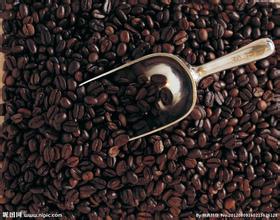
Morphological characteristics of Coffee trees the latest Coffee Information in China
The ripe coffee berries look like cherries and are bright red with sweet flesh and contain a pair of seeds, namely coffee beans (Coffee Beans). Coffee varieties can be divided into small-grain, medium-grain and large-grain species, the former contains low caffeine content and strong flavor, while the latter two have high caffeine content but poor flavor. The coffee sold in the world is generally made up of small and medium seeds in different proportions.
2016-06-08 Coffee morphological characteristics China latest Information
Brief introduction of Coffee planting History and planting Technology
In China, according to historical records, coffee trees were planted in Taiwan for the first time in 1884, and coffee cultivation in mainland China began in Yunnan. In 1902, a French missionary named Tian introduced seeds from Yingong, Binchuan County, Yunnan Province. it was successfully planted in a place called Zhu Kula, a tributary of the Jinsha River. The commercial cultivation of coffee in Yunnan began in 1985.
2014-07-09 Coffee cultivation coffee history coffee planting technology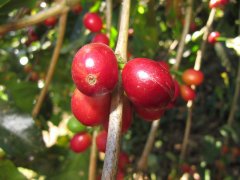
The characteristics of coffee berries and the process of their formation. What is the coffee flower?
Coffee tree is a shrub or small tree of Rubiaceae; leaves opposite, leathery, long ovate; every March, the branches will appear white flowers, petals spirally arranged, the heart of flowers jump around the petals, take a closer look, it is really like a small windmill playing in childhood, emitting the fragrance of jasmine; the fruit is oval, berry, crimson, containing two seeds, that is, coffee beans we are familiar with
2016-03-07 Coffee fruit berry characteristic and its formation process what is it?
Brief introduction of Coffee planting History and planting Technology
In China, according to historical records, coffee trees were planted in Taiwan for the first time in 1884, and coffee cultivation in mainland China began in Yunnan. In 1902, a French missionary named Tian introduced seeds from Yingong, Binchuan County, Yunnan Province. it was successfully planted in a place called Zhu Kula, a tributary of the Jinsha River. The commercial cultivation of coffee in Yunnan began in 1985.
2015-10-07 Coffee planting History Technology introduction China Historical data Records 1884
Introduction of planting methods of coffee trees introduction of planting conditions of various coffee trees which country is the most suitable for planting
Field management of loosening soil and weeding: when the seedling height is 3cm to 6cm, the weak or overdense seedlings are pulled out; when the seedling height is 10cm and 13cm, the plant distance is about 30cm. Soil loosening and weeding were carried out at the same time between seedlings and fixed seedlings to keep the soil loose. Coffee beans are more drought-tolerant, and the soil can grow normally when the soil moisture is maintained. During the drought, the coffee beans should be properly watered, but there should be less squatting seedlings during the seedling fixing period.
2016-07-29 Coffee planting methods introduction various conditions which country suitable field tube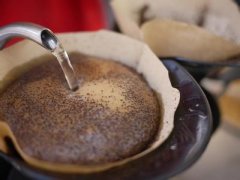
A brief introduction to Coffee planting History and planting techniques
According to historical records, coffee trees were first planted in Taiwan in 1884, and coffee cultivation in mainland China began in Yunnan. In 1902, a French missionary named Tian introduced seeds from Yinggong County in Binchuan County, Yunnan Province. it was successfully planted in a place called Zhu Kula, which is located on the bank of the Yushan River, a tributary of the Jinsha River. The commercial cultivation of coffee in Yunnan began in 1985, but its development is slow.
2015-02-25 Coffee Common sense planting History Technology introduction Historical data Records 1884
Introduction to fine coffee with cherry-like appearance, bright red and sweet pulp
The ripe coffee berries look like cherries and are bright red with sweet flesh and contain a pair of seeds, namely coffee beans (Coffee Beans). Coffee varieties can be divided into small-grain, medium-grain and large-grain species, the former contains low caffeine content and strong flavor, while the latter two have high caffeine content but poor flavor. The coffee sold in the world is generally made up of small and medium seeds according to different ratios.
2016-06-18 Appearance cherry bright red pulp sweet coffee beans boutique coffee introduction
Coffee bean treatment method water washing and sun treatment of high-quality coffee beans
Coffee beans are the seeds in the coffee fruit. The coffee fruit is exposed to strong sunlight and the seeds are not taken out until the shell is broken. This method is called non-washing or natural drying. Another way is to put the coffee fruit in the sink to flash, soak in water to soften and then remove the flesh. The washing type refining process is that the harvested coffee fruit is put into the sink and soaked in 24 murmurs for 48 hours.
2015-01-19 Coffee beans processing boutique washing sunlight coffee beans coffee fruits seeds put
Morphological characteristics and geographical distribution of coffee trees
The ripe coffee berries look like cherries and are bright red with sweet flesh and contain a pair of seeds, namely coffee beans (Coffee Beans). Coffee varieties can be divided into small-grain, medium-grain and large-grain species, the former contains low caffeine content and strong flavor, while the latter two have high caffeine content but poor flavor. The coffee sold in the world is generally made up of small and medium seeds according to different ratios.
2016-06-06 Coffee morphological characteristics geographical distribution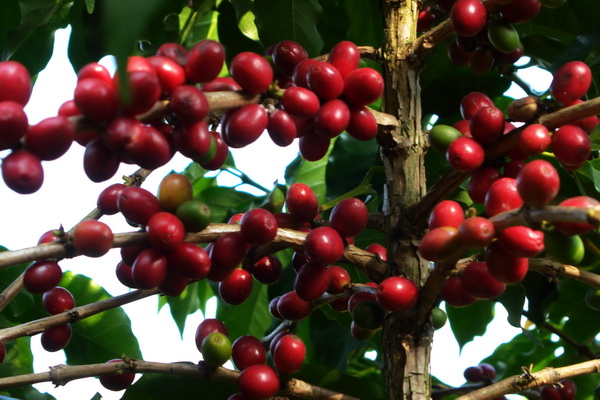
The popularity of coffee common sense coffee beans coffee tree round beans (round beans) peaberry coffee berries
Coffee tree belongs to Rubiaceae of Rubiaceae, which is a shrub or small tree. It is native to subtropical Africa or Asia. The seeds in its berries are the main raw materials of coffee. Commercially, the seeds of coffee are called coffee beans (coffee bean). There are many different species in the genus Coffea, about 25-40 species, of which Arabica (Cof) is widely cultivated.
2016-07-12 Coffee Common sense Popularization Coffee beans Round beans peaberry for short
Planting skills of herbaceous coffee trees
First, planting time: April 15-25 period. Second, planting location: plain, hillside, wasteland, front and back house, forest and fruit tree seedlings can be planted, but should not be planted in tall trees or other unventilated places. Third, herbal coffee does not like flood and fertilizer, conditional planting can use farm manure, during the growth period, it is best to irrigate 1-2 water during the growth period, absolutely do not allow the use of all kinds of chemical fertilizers and
2014-09-02 Coffee knowledge herbal coffee coffee tree planting coffee tree planting skills
Coffee raw bean processing steps introduce washing beans what is coffee bean washing method? How to process coffee
The so-called washing method means that the coffee fruit is immediately picked when it turns red, the hard peel is removed by machine, the sticky berries are exposed, and then thrown into the pool to ferment. In about a day or two, the bacteria will eat most of the pulp attached to the seeds. The whole fermentation process needs to be monitored by the old master, if it goes too far, it will destroy the quality of coffee beans. After the berries are removed by fermentation, rinse the seeds with clean water.
2016-03-28 Coffee raw beans processing steps introduction washing beans what coffee beans washing method how to
The picking of coffee beans coffee beans are the seeds of coffee trees.
Coffee beans are the seeds of coffee trees. After three or four years of growth, the coffee tree matures and begins to bear fruit, with one fruit arranged in clusters or clusters along the branches. The outside of the seed is a layer of peel, which can be picked as soon as it turns red. Under the red skin (exocarp) there is a layer of pulp (mesocarp), which is a small thin layer, and then a layer of material endocarp like parchment. In
2015-11-04 Coffee beans picking coffee tree knot coffee bean after the new year raw
Introduction to coffee planting technology-how to grow coffee trees
Field management of loosening soil and weeding: when the seedling height is 3cm to 6cm, the weak or overdense seedlings are pulled out; when the seedling height is 10cm and 13cm, the plant distance is about 30cm. Soil loosening and weeding were carried out at the same time between seedlings and fixed seedlings to keep the soil loose. Coffee beans are more drought-tolerant, and the soil can grow normally when the soil moisture is maintained. During the drought, the coffee beans should be properly watered, but there should be less squatting seedlings during the seedling fixing period.
2016-08-01 Coffee planting technology introduction how to field management loosening soil weeding seedling height per cent
Green coffee cups that can be planted
Abstract: drink a cup of coffee plant a tree can grow a coffee cup Plantable Coffee Cup from the outside, this is an ordinary paper coffee cup is not much different from other paper cups, but on closer inspection, there are many irregular protrusions on its surface, not to prevent slippage, but to put seeds into living plants. Drink a cup of coffee and plant coffee that can be planted by a tree
2016-05-07 Yes grow coffee cup environmental protection summary one cup coffee tree can be planted
Where does the mocha name come from? what are the seeds of coffee beans?
1. With regard to mocha, there is indeed coffee from the port of Mocha, which is generally a native variety from Ethiopia. At this time, mocha can be understood as a native variety of coffee beans that grew in Ethiopia and then exported in the port of Mocha! PS: there are many native species here, mainly Ethiopian coffee beans, although many coffee beans have been found.
2016-06-07 Mocha coffee name origin coffee beans seeds what is about mocha indeed
What are the soil and climate requirements for growing coffee beans
Coffee tree belongs to Rubiaceae (Rubiaceae), which is a shrub or small tree. It is native to subtropical Africa or Asia. The seeds in its berries are the main raw materials of coffee. Commercially, the seeds of coffee are called coffee beans (coffee bean). Flowers and fruits of coffee trees Coffee flowers grow in leaf axils, Corolla basin-shaped, cheese-colored or white, ovary two-loculed, one ovule per locule, fruit pulp
2016-05-27 Planting coffee beans soil climate what kind requirements coffee genus Rubiaceae plant