“Science” search results (2221)

Boutique coffee science explains in detail how to clean coffee cups
Due to the quality of the coffee cup, the cup surface is tight, the pores are small, and it is not easy to attach coffee scale, so after drinking the coffee, as long as you rinse the cup with clean water immediately, you can keep the cup clean. After long-term use of the coffee cup or not immediately washed after use, so that coffee scale attached to the surface of the cup, at this time, the cup can be soaked in lemon juice to remove coffee scale. If you can't make the coffee at this time,
2014-11-07 Coffee knowledge boutique coffee science cleaning coffee cups
Boutique Coffee Science explains the roasting degree of coffee in detail
Cinnamon Roast: cinnamon baking: this is the lightest kind of baking. There is no oil on the surface of the coffee beans. Large coffee bean manufacturers often mix the lightly roasted coffee beans with the coffee beans they sell. Because it can save money and increase the quantity. Cinnamon-roasted coffee beans usually do not appear in urban baking City Roast: the name of urban baking.
2014-11-14 Coffee knowledge boutique coffee science coffee roasting roasting degree
Science on the Tip of the tongue-- Coffee Culture
Civet coffee is made from beans that cannot be digested and excreted by civets after swallowing. After its popularity, civets face the tragic fate of being forcibly fed to increase their excretion. According to the report, a recent report published in Animal Protection magazine assessed the living conditions of 48 civets on 16 plantations and found that the Kopi Luwak industry is basically a
2016-07-30 Tip of the tongue science coffee special topics coffee culture musk derived from swallowed
Introduction to three kinds of coffee beans in boutique coffee science
At present, the main species of coffee plants growing in different regions of the world include the following: ARABICA/ROBUSTA/LIBERICA/DEWEVREI/STENOPHILLA/CONGENSIS/ABEOKUTAS/KLAINII/ZAANGUEBARIAE/RACEMOSA. Among them, the most commonly used coffee is divided into three categories: small seed coffee beans (Arabica) and medium seed coffee beans (Robusta).
2014-11-21 Coffee knowledge boutique coffee science coffee bean types
Boutique Coffee Science explains in detail the varieties of raw coffee beans
Coffee is the first tropical cash crop in terms of output, consumption and economic value among the three major beverages in the world. it is the second raw material after international trade relay oil, and it is also one of the largest tropical food raw materials in the world. The coffee variety garden covers an area of 3 mu, which mainly lies in the collection and preservation of coffee variety resources. the varieties are carried out on the basis of the observation of its botanical and biological characteristics.
2014-11-12 Coffee knowledge boutique coffee science coffee raw beans
Boutique Coffee Science talk about Coffee Fruit
The fruit is a berry, also known as comb fruit. Oval, 9-14 mm long, young fruit green, red at maturity, purplish red. Each fruit generally has two seeds, but also one or three, showing a semi-oval, there is a longitudinal groove, called grooves. The structure of a fruit in which the exocarp consists of a thin layer of hardwood human cells with stomata; the mesocarp (that is, pulp) is large and Lignified by several layers of polygons.
2014-10-15 Coffee knowledge coffee fruit boutique coffee science
Coffee popular Science-White Coffee
White coffee is a native product of Malaysia with a history of more than 100 years.
2014-06-19 Coffee knowledge white coffee coffee encyclopedia
Coffee basic Encyclopedia Coffee popular Science "White Coffee"
White coffee is a native product of Malaysia with a history of more than 100 years. White coffee does not mean that the color of coffee is white, but uses high-grade Liberica, Arabica and Robusta coffee beans and super skimmed cream raw materials to remove a large number of coffee after moderate and mild low temperature roasting and special processing, remove the bitter and sour taste produced by high temperature carbon roasting, and remove the bitter taste of coffee.
2014-10-10 Coffee knowledge coffee basics coffee is fine white coffee
Boutique Coffee Science Coffee Classification Popularization
The popularity of coffee classification: the difference between cappuccino and latte the difference between macchiato and Campbell
2014-10-23 Coffee knowledge boutique caffeine coffee classification popularization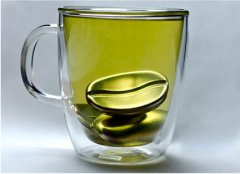
Coffee science and technology keep coffee beans warm
The temperature of the coffee is very important. If it is cold, the flavor will be much weaker. The interior of this warm coffee bean is a material with a melting point of 60 ℃. When drinking coffee, throwing a few of these beans in can slow down the cooling rate of the coffee to the original 1 stroke 2, thus prolonging the best flavor temperature time.
2014-10-25 Coffee knowledge coffee technology heat preservation coffee beans
Boutique Coffee Science explains in detail what coffee flower is.
In Europe, Latte means milk. Pouring milk into coffee to form an artistic pattern is Latte Art, which extends a broader meaning. As long as it is brewed coffee surface, making artistic pattern lines, even Latte Art, is not necessarily limited to latte Caffe Latte, using a variety of techniques and ways to form an artistic pattern on the coffee surface.
2014-11-07 Coffee knowledge boutique Coffee Coffee pull
Boutique Coffee Science explains in detail how to make ice drop coffee
Steps: 1, medium fine grinding powder; 2, 4 degrees Celsius cold water mixing; 3, coffee powder mixture frozen in the freezer (- 16 degrees Celsius) for 24 hours; 4. At room temperature, the frozen mixture can be finished with KF-300 ice droplets. Coffee beans: 1, medium roasted Lanshan No. 1; 2, a certain brand Blue Mountain matching, full city baking; 3, H1 baked Italian matching tasting: keep the original respectively
2014-11-10 Coffee knowledge boutique coffee iced coffee
Boutique Coffee Science this is espresso
Espresso was born around 1946, and this unique coffee drink has long been popular in Italy, Spain, Portugal and other southern European countries. But it was not until around 1986 that espresso was spread all over the world. Since then, people in the coffee industry around the world began to know and understand this kind of coffee. About ten years earlier than the Chinese people came into contact with espresso. And it...
2014-11-10 Coffee knowledge boutique Coffee Espresso
Fine Coffee Science explains Coffee Leaf Rust in detail
Coffee leaf rust (coffee rust) is the most destructive disease of coffee trees, which is caused by coffee camel rust (Hemileia vastatrix). The disease has long occurred in coffee-producing areas such as Africa, the near East and India, Asia and Australasia. It first appeared in the Western Hemisphere in 1970 and was found in Brazil. Once-thriving coffee plantations in Sri Lanka and Java
2014-11-18 Coffee knowledge boutique caffeine coffee leaf rust
Fine coffee science tells you where to taste the sweet, sour, bitter and salty coffee on your tongue.
Taste map: with regard to taste map, coffee and red wine are often used in tasting. Taste refers to the ability to sense the taste of substances, including the taste of food, certain minerals and toxic substances, which is close to the sense of smell, which is also chemically induced.
2015-01-06 Boutique coffee tell tongue where taste bitter about
Boutique Coffee Science illustrates the differences between fancy coffee
The difference between a cappuccino and a latte the difference between macchiato and Campbell
2015-01-06 Boutique coffee illustration fancy distinction Cabo Chino latte Coffee
Boutique Coffee Science explains two major coffee tree species in detail
At present, the most important coffee trees in the world are Arabica and Robusta. These two kinds of coffee trees are the two original species of coffee trees, and the quality of coffee beans produced by these two kinds of coffee trees is also better than that of other coffee trees. Arabica coffee tree. The Arabica coffee tree, which originated from Ethiopia in East Africa, accounts for 70% of the world's coffee bean production; the world-famous Blue Mountain Coffee.
2014-11-08 Coffee knowledge boutique coffee science coffee tree species
Introduction to three kinds of coffee beans in boutique coffee science
At present, the main species of coffee plants growing in different regions of the world include the following: ARABICA/ROBUSTA/LIBERICA/DEWEVREI/STENOPHILLA/CONGENSIS/ABEOKUTAS/KLAINII/ZAANGUEBARIAE/RACEMOSA. Among them, the most commonly used coffee is divided into three categories: small seed coffee beans (Arabica) and medium seed coffee beans (Robusta).
2014-11-12 Coffee knowledge boutique coffee science coffee bean types
Boutique Coffee Science about the roasting of coffee
The raw coffee beans are fried to make the coffee beans show a unique coffee color, aroma and taste. The most important thing of frying and baking is to be able to stir-fry the inside and outside of the beans evenly without overscorching. 80% of the taste of coffee depends on roasting, which is the most important and basic condition for making good coffee. The basic principle of ● fried culture the most important thing is to be able to stir-fry the inside and outside of the beans evenly.
2014-10-18 Coffee knowledge boutique coffee science coffee roasting