“Sao” search results (711)
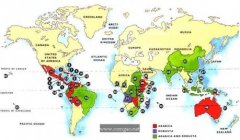
Coffee flavors from different coffee producing areas around the world
Costa Rican coffee has full grains, ideal acidity and unique strong aroma. Tarrazu of Costa Rica is one of the major coffee producing areas in the world. Costa Rica, with its fertile volcanic soil and good drainage, is the first country in Central America to grow coffee and bananas for commercial value. Coffee and bananas are
2015-10-07 Global different coffee origin flavor Costa Rica granules fullness
Salvadoran coffee you didn't know.
Friends familiar with Cat Villa will be familiar with this bean El Carmen Manor HIU plans Bourbon Sun. This bean is the sun-dried bean that I think the flavor is the most suitable for my appetite in the past six months. I have to talk about this bean. I have to talk about the match that the cat participated in the WBC World Barista Competition in Xiamen in 2012. At that time, the cat used this bean to mix the light and dark, and the Italian style was concentrated to obtain the same consistency.
2014-06-06 Salvadoran Coffee Coffee Tasting Coffee Boutique
Fine Vietnamese coffee beans price Vietnamese coffee beans how much is a jin of Vietnamese coffee brands
Vietnamese coffee is produced in Vietnam, just as tea is important to Chinese people, it is a kind of penetration into the bone marrow. Robusta coffee beans, which are often used in the world to make instant coffee and high-end coffee blends, are almost all exported from Vietnam. Vietnam is the world's second largest exporter of coffee, surpassing Colombia and second only to Brazil. The aroma is strong, the sour taste is light, and the taste is smooth.
2016-05-04 Boutique Vietnam coffee beans price coffee less money one jin brand
The coffee flavor of the world's largest coffee country describes the taste of Brazilian coffee.
In the first six months of 2008, Vietnam exported 570000 tons of coffee, with an export value of US $1.18 billion, far exceeding the level of the same period last year. In 2007, Vietnam's coffee exports exceeded 1 million tons for the first time, reaching an all-time high of US $1.6 billion. According to the statistics of the Coffee-Cocoa Association of Vietnam, the current coffee planting area in Vietnam is 500000 hectares, which can be divided into three categories according to the planting time.
2016-04-14 World Coffee Big country Flavor description Brazil Taste Vietnam 2008
Coffee Flavor Analysis of Coffee Flavor from different Coffee producing areas in the World
Coffee flavor from different coffee producing areas around the world: Tarrazu in Costa Rica is one of the major coffee producing areas in the world, with a light and pure flavor and pleasant aroma. Costa Rican coffee has full grains, ideal acidity and unique strong flavor. Tarrazu of Costa Rica is one of the major coffee producing areas in the world, with a light and pure flavor.
2014-10-16 Coffee knowledge coffee flavor coffee origin
Coffee flavors from different coffee producing areas around the world Tarasu of Costa Rica
Coffee flavor from different coffee producing areas around the world: Tarrazu in Costa Rica is one of the major coffee producing areas in the world, with a light and pure flavor and pleasant aroma. Costa Rican coffee has full grains, ideal acidity and unique strong flavor. Tarrazu of Costa Rica is one of the major coffee producing areas in the world, with a light and pure flavor.
2015-02-15 Global different coffee origin flavor Costa Rica Tara global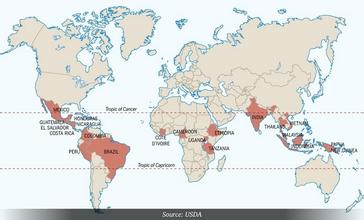
The World Coffee Map explains in detail the specific distribution points and geographical names of the world coffee map.
Costa Rican coffee has full grains, ideal acidity and unique strong aroma. Tarrazu of Costa Rica is one of the major coffee producing areas in the world. Costa Rica, with its fertile volcanic soil and good drainage, is the first country in Central America to grow coffee and bananas for commercial value. Coffee and bananas are
2016-01-05 World Coffee Map detail explanation concrete layout Geography name introduction
Ethiopian Coffee Features
SANTOS BRAZIL: The name SANTOS comes from the port where coffee is shipped, and the coffee in the valleys surrounding the capital Sao Paulo is the most representative coffee in Brazil. It tastes mild and smooth, low acid and bitter, slightly sweet, soft grassy aroma. It is usually the favorite choice of many coffee lovers. Colombia coffee: rich and thick aroma, with a clear taste
2016-06-03 Ethiopia Coffee Characteristics Description dos Brazil Name From Shipping
Introduction to the characteristics of the manor producing area of Brazilian coffee boutique coffee bean flavor
Napoleon invaded Portugal in 1807 and the Portuguese royal family moved to Brazil. In 1820, the Portuguese royal family moved back to Lisbon, and Prince Pedro Reuba became regent. On September 7, 1822, complete independence from Portugal was declared and the Brazilian Empire was established. Then he was crowned emperor, Pedro I. Brazil promulgated the Constitution in 1824. In 1825, Portugal recognized Brazil's independence. During the Imperial period (1822-1889)
2016-08-12 Brazil coffee boutique coffee beans flavor taste manor producing area characteristics introduction
Coffee producing area St. Helena Island
St. Helena (St Helena) is located in the Atlantic Ocean, 2000 km from Africa and 3500 km from Brazil, with a population of about 5000. Of course, the island is famous because Napoleon was exiled after the Battle of Waterloo in 1815 and died on the island in 1821.
2014-06-19 Coffee knowledge coffee producing area St. Helena
Introduction to Brazilian Coffee
Today, Brazil is the world's largest coffee producer. About 25% of the world's coffee comes from Brazil, which affects the development of the world coffee industry. Brazilian coffee is mainly grown in Parana, Santos Jing, Sao Paulo, Minas Gerais and Bahia. Most of the farms in these areas are less than ten hectares.
2014-07-02 Coffee knowledge Brazilian Coffee Coffee Encyclopedia
Natural Environmental conditions for growing Coffee: an introduction
The ideal environmental conditions for planting Arabica coffee trees are as follows:
2014-07-04 Coffee knowledge coffee planting coffee tree growth conditions
Santos, Brazil
Brazil is famous for its football, carnival, samba and barbecue, but it is also known as the coffee kingdom. It is the world's largest coffee producer and exporter, accounting for about half of all world production, most notably Brazil Santos, which exports from Puerto Santos, São Paulo State. Brazil has no No.1 coffee grade because
2014-08-26 Brazilian Coffee Beans Santos Coffee Beans Fine Coffee Beans
Coffee knows: these countries produce coffee, and these countries have no diplomatic relations with China.
China is one of the five permanent members of the UN Security Council, and it also has an important social status in the world, but there are still 23 countries in the world that have not established diplomatic relations with China due to political reasons. Including: America: Panama, Paraguay, Honduras, Guatemala, Nicaragua, El Salvador, Belize, Dominica, Haiti, Saint Vincent and
2014-08-26 National coffee coffee encyclopedia
Brazil Santos Brazilian Bourbon Santos
After Mr. Palhta returned to Brazil, coffee culture began in the state of Para, which is at the mouth of the Amazon. Coffee has a wide planting area and is the largest coffee exporter in the world. Brazil is located in Naaman, about 15 degrees south latitude. The coffee culture in Brazil began in 1727 and sprang up in the north of Brazil. It was made by a FrancescodeMeloPalheta teacher.
2014-09-04 Coffee knowledge Brazil Santos coffee beans
Brazil Santos boutique coffee beans
Brazil is located in South America, about 15 degrees south latitude. Brazilian coffee culture began in 1727 and sprang up in the north of Brazil when a Mr. Francesco de MeloPalheta smuggled coffee seeds from France to Brazil. At that time, this was strongly opposed by the French who monopolize the coffee business today. Those seeds are the ancestors of more than 300 million Brazilian coffee trees today. In the early morning
2014-09-25 Santos Brazil boutique coffee beans
Boutique coffee beans Brazil Santos
Brazil is located in South America, about 15 degrees south latitude. Brazilian coffee culture began in 1727 and sprang up in the north of Brazil when a Mr. Francesco de MeloPalheta smuggled coffee seeds from France to Brazil. At that time, this was strongly opposed by the French who monopolize the coffee business today. Those seeds are the ancestors of more than 300 million Brazilian coffee trees today. In the early morning
2014-09-30 Coffee knowledge boutique coffee beans Santos Brazil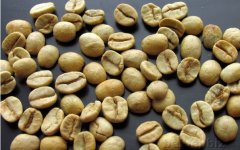
Introduction to Brazilian Santos Coffee Raw beans
Although Brazil produces 30 to 35% of the world's coffee annually, ranking first in the world, none of the Brazilian beans can be called the top coffee. The mountains are covered with coffee trees in southern Brazil, but Santos is the only one that can be put on the table; most of the other hastily processed beans are used to make instant coffee and easy-to-open coffee. Growth of Santos coffee
2014-11-11 Coffee knowledge boutique coffee beans Brazil Santos coffee raw beans
Premium Coffee Recommended Premium Brazilian Coffee Beans
◆ Origin: Brazil ◆ Baking method: City Roast ◆ Characteristics: 1. Taste: slightly bitter and slightly sour, mild in nature. 2. Fragrance: elegant type, fragrance in the middle. 3. Vision: large, pale green or yellowish beans. One of the world's largest coffee producers and exporters, it can be called the "coffee continent", accounting for about half of all world production. Especially from the mountains of Sao Paulo
2014-12-20 Fine Coffee Recommended Premium Brazil Coffee Bean Origin Brazi
Coffee beans, coffee beans
Premium Brazilian Coffee Beans ◆ Origin: Brazil ◆ Roasting Method: City Roast ◆ Characteristics: 1. Taste: Slightly bitter and slightly acidic, mild in nature. 2. Fragrance: elegant type, fragrance in the middle. 3. Vision: large, pale green or yellowish beans. One of the world's largest coffee producers and exporters, it can be called the "coffee continent", accounting for about half of all world production. especially in
2015-02-03 premium coffee beans common sense presentation brazil produce