“SL34” search results (300)
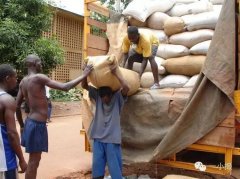
Kenya Coffee Tree Kenya Coffee beans Flavor Africa Kenya grows coffee beans
Coffee trees in Kenya are mostly planted at 1400 m-2000 m above sea level, and the growing areas include Ruiri,Thika, Kirinyaga and Mt. Kenya West, Nyeri, Kiambu and Muranga. Mainly in the foothills of Mt.Kenya and Aberdare. There are many producing areas in Kenya that strive to preserve the native forest ecosystem, protect the natural gene pool, and support the reproduction and breeding of wild coffee varieties.
2016-05-07 Kenya coffee coffee beans flavor Africa planting trees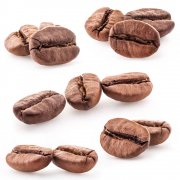
Coffee beans from IYEGO Cooperative Farm, a coffee farm in Kenya
IYEGO cooperative farm unified processing, the production process is supervised by the Kenya Coffee Commission (CoffeeBoardofKenya, referred to as CBK), the management is very strict, to ensure the quality of Kenyan coffee. Kenya bean washing processing technology and high standards of quality control, has always been an example of bean-producing countries. Kangema producing area [manor] IYEGO cooperative [soil] fire in Kenya
2016-05-09 Kenya coffee manor IYEGO partnership farm coffee beans IYEG
IYEGO Cooperative Farm African Coffee Manor
IYEGO cooperative farm unified processing, the production process is supervised by the Kenya Coffee Commission (CoffeeBoardofKenya, referred to as CBK), the management is very strict, to ensure the quality of Kenyan coffee. Kenya bean washing processing technology and high standards of quality control, has always been an example of bean-producing countries. Kangema producing area [manor] IYEGO cooperative [soil] fire in Kenya
2016-05-23 IYEGO Cooperation Farm Africa Coffee Manor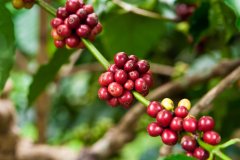
IYEGO Cooperative Farm African Coffee Manor
IYEGO cooperative farm unified processing, the production process is supervised by the Kenya Coffee Commission (CoffeeBoardofKenya, referred to as CBK), the management is very strict, to ensure the quality of Kenyan coffee. Kenya bean washing processing technology and high standards of quality control, has always been an example of bean-producing countries. Kangema producing area [manor] IYEGO cooperative [soil] fire in Kenya
2016-05-30 IYEGO Cooperation Farm Africa Coffee Manor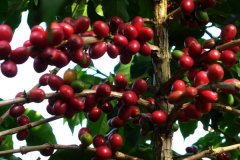
Qidon Lulu Cooperative boutique Coffee Coffee Manor
The Dunlulu Cooperative, founded in 1999 in Embu, Kenya, has 1200 active growers and the cleanest water treatment centers. It is well known that cooperatives pay producers far higher than government requirements. In Kenya, cooperatives have to pay 80 per cent of the final income to coffee farmers, and Kithungururu ends up paying 95 per cent more to coffee farmers than other cooperatives.
2016-05-30 Keaton Lulu Cooperative boutique Coffee Manor Chitun Cheng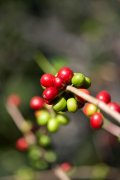
Gethumwini Estate AA Coffee Estate Grade Assignment
Gethumwini Estate AA [Farm]
2016-05-30 Gethumbwini Estate Coffee Grade Distribution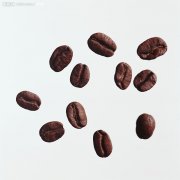
Water washing processing Technology of Kenyan beans in IYEGO Cooperative Farm
IYEGO cooperative farm unified processing, the production process is supervised by the Kenya Coffee Commission (CoffeeBoardofKenya, referred to as CBK), the management is very strict, to ensure the quality of Kenyan coffee. Kenya bean washing processing technology and high standards of quality control, has always been an example of bean-producing countries. Kangema producing area [manor] IYEGO cooperative [soil] fire in Kenya
2016-06-19 IYEGO Cooperation Farm Kenya washing processing Technology boutique Africa
Gethumbwini Estate Farm grows coffee beans, red volcanic soil, the best kenya coffee.
Gethumbwini Estate [coffee] Gethumbwini Estate AA [farmer]
2016-06-19 Gethumbwini Estate Farm planting Coffee beans Red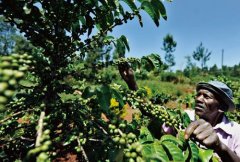
Gethumbwini Estate AA, Kenya's best coffee, pineapple and blackcurrant aromas.
Gethumbwini Estate [coffee] Gethumbwini Estate AA [farmer]
2016-07-07 Gethumbwini Estate Kenya. Okay coffee coffee.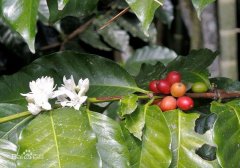
Treatment of washing coffee beans in Gethumbwini Estate manor in elevated bed to dry coffee beans
Gethumbwini Estate [coffee] Gethumbwini Estate AA [farmer]
2016-06-16 Gethumbwini Estate Manor Water washing Coffee beans High
Qidon Lulu Cooperative Manor Coffee beans Coffee training for High altitude Coffee beans
The Dunlulu Cooperative, founded in 1999 in Embu, Kenya, has 1200 active growers and the cleanest water treatment centers. It is well known that cooperatives pay producers far higher than government requirements. In Kenya, cooperatives have to pay 80 per cent of the final income to coffee farmers, and Kithungururu ends up paying 95 per cent more to coffee farmers than other cooperatives.
2016-06-16 Keaton Lulu Cooperative Manor Coffee beans Coffee training altitude High its
Species botany of coffee beans
Scientific taxonomy of coffee: Plantae phylum: embryonic phylum Spermatophyta (unclassified) true dicotyledons eudicots core true dicotyledons core eudicots class: angiosperms Angiosperma (ungraded) chrysanthemum asterids lip-shaped branches lamiids: Gentianales family: Rubiaceae Rubi
2014-06-30 Species of coffee beans botany
Coffee tree species are divided into three main categories: Arabica, Robersta and Liberica.
Villasarchi Velasacci is a hybrid of bourbon developed in the Costa Rican town of sarchi. The branches are at a 45-degree angle to the trunk and the leaves are bronze. Shade tree cultivation and minimal pesticide application make it an excellent organic coffee. Elegant acidity, delicate fruity flavors and nice sweetness. Caturra, Brazil, is a higher-yielding
2016-05-04 coffee tree species divided into major categories rabbi card species robersta billy boutique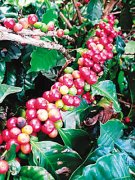
The sour and caramel aroma of dried lemon grown in Qidon Lulu Cooperative Niya Coffee
The Dunlulu Cooperative, founded in 1999 in Embu, Kenya, has 1200 active growers and the cleanest water treatment centers. It is well known that cooperatives pay producers far higher than government requirements. In Kenya, cooperatives have to pay 80 per cent of the final income to coffee farmers, and Kithungururu ends up paying 95 per cent more to coffee farmers than other cooperatives.
2016-07-07 Keaton Lulu Cooperative Niya Coffee planting Lemon dry sour Caramel
Pacas (Pacas)
Pacas (Pacas): a variety of bourbon found in El Salvador. In 1935, Salvadoran coffee farmer Pacas selected high-capacity varieties of San Ramon bourbon (San Ramon bourbon) to be planted on farms. In 1956, a friend found that the amount of bourbon in his farm was higher than that of the same kind of coffee tree, so he asked a professor from the University of Florida to identify it and confirm that the bourbon had a genetic mutation.
2014-06-30 Pacas (Pacas) Pacas (Pacas) coffee beans fine coffee beans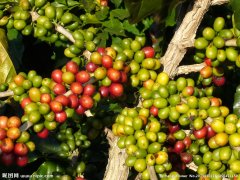
The best flavor of Kenyan coffee in Kangema producing area of IYEGO cooperative farm
IYEGO cooperative farm unified processing, the production process is supervised by the Kenya Coffee Commission (CoffeeBoardofKenya, referred to as CBK), the management is very strict, to ensure the quality of Kenyan coffee. Kenya bean washing processing technology and high standards of quality control, has always been an example of bean-producing countries. Kangema producing area [manor] IYEGO cooperative [soil] fire in Kenya
2016-06-16 IYEGO Cooperation Farm Kangema producing area Kenya Coffee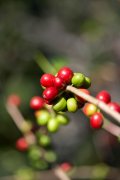
Kenya coffee, berries, cranberries, coffee, milk coffee, coffee scale, fresh roast
Kenya, located in East Africa, is one of the major coffee producing countries. More than 6 million people in the country are engaged in the coffee industry, mostly in the form of a combination of small farmers and cooperatives. Coffee trees in Kenya are mostly planted at 1400 m-2000 m above sea level, and the growing areas include Ruiri, Thika, Kirinyaga and Mt. Kenya West, Nyeri, Kiambu and Muranga. With Mt.Kenya and Ab
2016-04-16 Kenya coffee berries cranberries milk foam scale selection fresh baked located in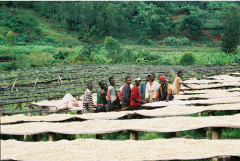
Its Dunlulu Cooperative Water washing elevated bed drying AA Grade AAA Kenya Coffee beans are the highest
The Dunlulu Cooperative, founded in 1999 in Embu, Kenya, has 1200 active growers and the cleanest water treatment centers. It is well known that cooperatives pay producers far higher than government requirements. In Kenya, cooperatives have to pay 80 per cent of the final income to coffee farmers, and Kithungururu ends up paying 95 per cent more to coffee farmers than other cooperatives.
2016-06-19 Keaton Lulu Cooperative washing Viaduct Sun drying AAA Kenya Coffee beans
Kangema Region Kenya Coffee Kenya IYEGO Cooperative White Wine Tea Sage Flavor
[Taste] Bright and full blueberry taste behind the nose. Grapefruit and citrus acidity; structured, slightly citrus in the front, blueberry in the middle, strawberry in the back, longan sweet, perfect grapefruit and white wine flavor, moderate acidity. [Remarks]: Double fermentation (48-72 hours) Fresh fruit flotation--de-pulp--fermentation tank upper fermentation
2016-07-07 Kangema Production Area Kenya Coffee IYEGO Cooperative White Portuguese
Geisha: Late bloomer variety
In 1931, it was exported from Geisha Mountain in southwestern Ethiopia to Kenya, Tanzania and Costa Rica. In the 1960s, it was transplanted to Panama. After nearly half a century, it was amazing. It defeated the ever-winning varieties such as Bourbon, Kadura, Kaduai and Tibika.
2014-06-30 Geisha Fine Coffee Beans Single Coffee Beans